
Comparing Cross-Border E-Commerce Logistics Channels: Which Channels Are the Most Cost-Effective?
Cross-border logistics cost shapes margin, speed, and customer happiness. This guide explains the main delivery options, the fees behind them, and the steps that actually lower spend. You will see clear use cases, simple math, and a practical checklist to pick the right route for each order. The goal is to cut cross-border logistics cost while keeping reliable delivery and clean tracking.
What Really Builds the Total Cost
Direct cost elements you always pay
- Freight or postage based on weight or volume
- Export and import handling
- Duties, taxes, and brokerage
- Pick, pack, and labels
- Last-mile delivery and re-delivery
Hidden charges that raise the bill
- Fuel and remote-area surcharges
- Dimensional weight because of large boxes
- Address errors or failed attempts
- Storage fees after free days expire
- Returns, repacks, and disposal
A smart plan reduces each item above. Done together, these cuts make a visible change to cross-border logistics cost.
Channel Profiles and Best Uses
Postal networks (national posts)
Postal routes are cheap and broad. They fit light, low-value items and buyers who accept slower delivery. Tracking exists but may show gaps during handovers.
- Typical speed: slow to moderate
- Price: low
- Strength: global reach and low entry cost
- Watchouts: variable scans, peak-season delays
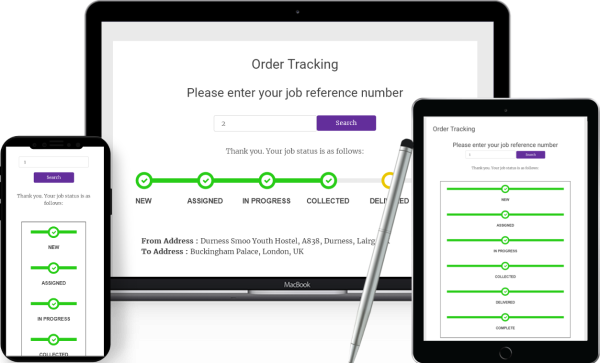
Use postal networks for small items, spare parts, craft goods, or accessories under a tight budget. This choice keeps cross-border logistics cost low for non-urgent orders.
Commercial express (DHL, FedEx, UPS, SF Express intl.)
Express solves urgent and premium orders. Scans are detailed, rerouting is faster, and support is strong.
- Typical speed: fast
- Price: high
- Strength: reliable time-in-transit and strong tracking
- Watchouts: surcharges add up; dimensional weight applies
Pick express for high-value electronics, fragile goods, samples, or time-bound launches. Use sparingly for low-margin items or cost will dominate cross-border logistics cost.
Regional dedicated lines
Dedicated lines balance price and speed on fixed corridors, such as EU or US lines. Parcels consolidate at origin, fly in bulk, then pass to a local courier for final delivery.
- Typical speed: moderate and predictable
- Price: medium
- Strength: stable tracking and fewer handovers
- Watchouts: corridor limits; weekly flight cycles may affect cut-off times
Choose dedicated lines for routine e-commerce flows where you need better speed than postal but at a lower bill than express. This channel often wins on cross-border logistics cost for standard orders.
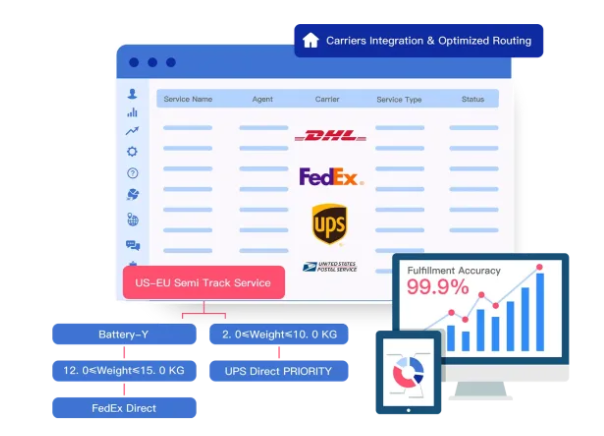
Hybrid postal-express solutions
Some providers blend express uplift with postal delivery at destination. The result is mid-tier speed with friendlier pricing.
- Typical speed: mid-range
- Price: medium
- Strength: good coverage, flexible rules
- Watchouts: service rules can differ by country
This option suits fashion items, small gadgets, and add-ons that need steadier scans than pure postal.
Third-party fulfillment and freight-forwarding centers
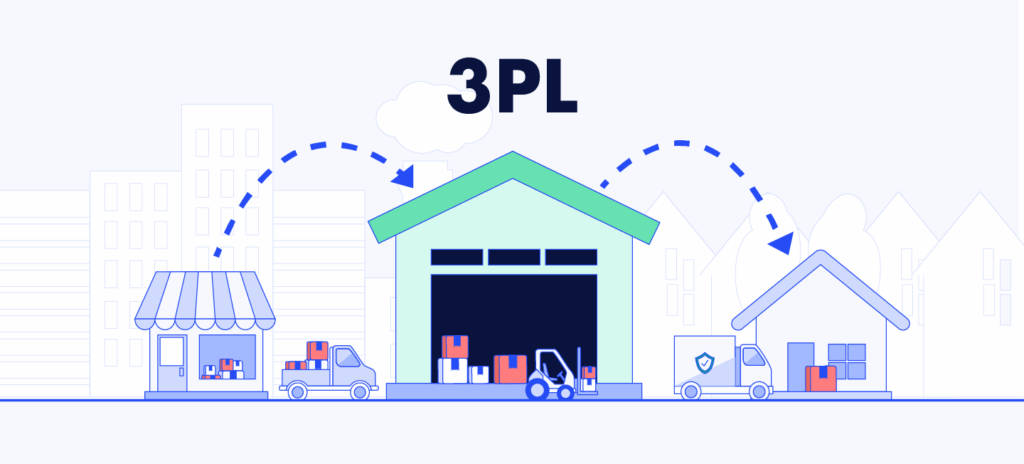
3PLs store stock near the buyer, then ship domestically or regionally. This reduces international legs per order.
- Typical speed: fast after local release
- Price: medium to high (storage + handling)
- Strength: scale, returns handling, and value-added services
- Watchouts: volume thresholds; long-tail SKUs may sit and cost money
3PL works best once you have stable demand in a region and SKUs with steady velocity.
Scenarios That Clarify the Choice
Light fashion or accessories to the US/EU
- Under 0.5 kg, non-urgent → postal or hybrid
- Seasonal items with a date → dedicated line or express light tier
- Returns expected → dedicated line with managed returns
Consumer electronics without batteries
- Pilot launch or reviewers → express for speed and proof of delivery
- Ongoing sales → dedicated line, upgrade to express for VIP buyers
Bulky but low-value items
- Use dimensional-weight-friendly packs
- Pick dedicated line with negotiated volumetric divisor
- Split shipments only when it reduces fees more than it adds handling
These patterns keep reliability while protecting cross-border logistics cost.
A Simple Cost Framework You Can Use Today
- Calculate landed unit cost.
Add freight, handling, duties/taxes, packaging, and last-mile fees. Divide by units in the parcel. - Check sensitivity.
Test +10% weight, +2 cm size, and 1 failed delivery. See how much the unit cost moves. - Compare channels on real data.
Use 4 weeks of scans: promised vs actual transit, first-attempt success rate, and surcharge ratio. - Pick a primary and a backup.
Route 80% to the winner; keep 20% on a fallback to stay flexible.
This framework keeps cross-border logistics cost visible and controllable.
Practical Ways to Lower Cost Without Slowing Delivery
- Use data-driven carrier selection by lane, weight break, and item value.
- Reduce box size. Swap to mailers or right-size cartons to improve dimensional weight.
- Consolidate orders at origin for the same region or sale window.
- Pre-print labels and customs data to cut origin handling time.
- Validate addresses to lift first-attempt success.
- Set clear returns rules to avoid long storage at destination.
- Place a small stock buffer in a regional hub for top SKUs.
- Align cut-off times with flight days on dedicated lines.
- Audit invoices monthly for fuel, remote, and correction fees.
- Share delivery promises on the PDP that reflect true corridor speed.

Each action above reduces waste and protects cross-border logistics cost during peak seasons.
Why Choose Postalparcel (A Service, Not a System)
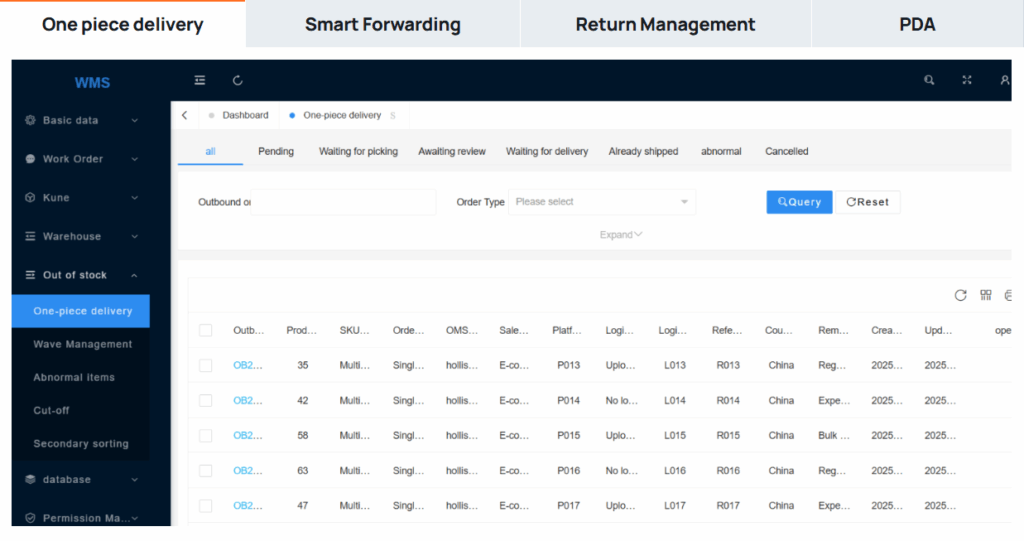
Postalparcel delivers a managed service that joins carrier selection, delivery orchestration, and basic stock and order handling into one coordinated workflow. There is no software to install or maintain. You gain expert teams, clear SLAs, and steady reporting.
Carrier management that fits each lane
- Match product, weight, and destination to the best route
- Switch fast when a lane faces congestion
- Negotiate volumetric terms and remote-area rules
Delivery orchestration from pickup to doorstep
- Control handovers across air, ground, and local couriers
- Raise delivery success with better slotting and address tools
- Resolve exceptions early to avoid storage and penalty fees
Inventory and order management as a service
- Light regional stocking for fast movers
- Batch waves for campaigns and pre-sales
- Simple returns routing that turns stock quicker
Outcomes you can expect
- Fewer surcharges and corrections
- Higher first-attempt success
- Shorter cycle time from order to delivery
- Lower variance in weekly costs
With Postalparcel, the service model helps you lower cross-border logistics cost while keeping delivery times steady. The team handles carrier management and delivery details so your staff can focus on sales and product.
Channel Comparison at a Glance
| Channel | Speed | Tracking Depth | Typical Cost | Best Use Case |
|---|---|---|---|---|
| Postal | Slow–Medium | Basic | Low | Light, low-value, flexible ETA |
| Dedicated Line | Medium | Stable | Medium | Standard e-commerce lanes |
| Hybrid Postal-Express | Medium | Good | Medium | Mid-value items needing steadier scans |
| Express | Fast | Full | High | Urgent or premium shipments |
| 3PL + Local Ship | Fast after receipt | Full | Medium–High | Regions with stable demand |
| Postalparcel Service | Optimized per lane | Managed | Optimized | Multi-SKU sellers scaling cross-border |
FAQs Based on Real Search Intent
How can I quickly reduce cross-border logistics cost?
Right-size packaging, pick a dedicated line for main lanes, and validate addresses. Then audit invoices for surcharges.
Does faster shipping always mean much higher spend?
Not always. Dedicated lines and hybrid routes can keep speed decent while keeping the bill under control.
Which channel is best for a new store testing demand abroad?
Start with a managed postal or hybrid route. Shift winners to a dedicated line once volume grows.
Do I need to buy software to optimize shipping?
No. Postalparcel provides logistics as a service, so you get planning, routing, and reporting without installing a system.
How often should I review my routing table?
Monthly for fees and scans. Quarterly for strategy, lanes, and carrier mix.
A Step-By-Step Checklist for Choosing the Right Channel
- Define target delivery promise by country.
- Classify SKUs by weight band, value, and return rate.
- Price three routes per lane: postal, dedicated line, express.
- Test 50–100 parcels on the top two options.
- Compare real transit times, first-attempt success, and surcharge share.
- Lock a primary route and keep a backup ready.
- Re-check during sales events and at quarter-end.
- Move top SKUs to a small regional stock once demand stabilizes.
- Add a managed returns path to avoid storage charges.
- Publish accurate delivery windows on PDP and checkout.
Bringing It All Together
The most cost-effective channel depends on lane, weight, and buyer expectations. Postal for light, flexible orders. Dedicated lines for steady e-commerce flows. Express for urgent or high-value goods. 3PL once regional demand is proven. Use the cost framework and the checklist above to keep every choice tied to data and to drive down cross-border logistics cost.
Postalparcel stands out because it is a service, not a system. The team tunes carrier management, coordinates delivery, and provides inventory and order management as a service. That mix removes waste, speeds up resolution, and lowers variance week to week. If your goal is to reduce cross-border logistics cost while keeping a smooth buyer experience, a managed service like Postalparcel is often the fastest, safest path to scale.

Industry Insights

news via inbox
Nulla turp dis cursus. Integer liberos euismod pretium faucibua