
4PL for SMEs: Can Small Brands Benefit from Big-Scale Logistics?
4PL for SMEs sounds like a big-enterprise tool, but more small brands are starting to use fourth-party logistics to control cost, reduce chaos, and ship to more countries. Instead of building their own logistics team, they plug into a 4PL partner like PostalParcel and let experts coordinate warehouses, carriers, and tracking data in the background.
Below is a compact 4PL guide for small and medium-sized brands, with clear structure and practical angles.

1. How Small Brands Plug into Big-Scale Logistics Power
1.1 Quick Difference Between 3PL and 4PL
Most SMEs already know 3PL:
- 3PL (Third-Party Logistics)
- Stores your goods
- Picks and packs orders
- Ships parcels with one or a few carriers
- You still manage some logistics decisions
4PL (Fourth-Party Logistics) goes one level higher:
- Designs and manages your entire logistics setup
- Coordinates multiple 3PLs, carriers, and routes
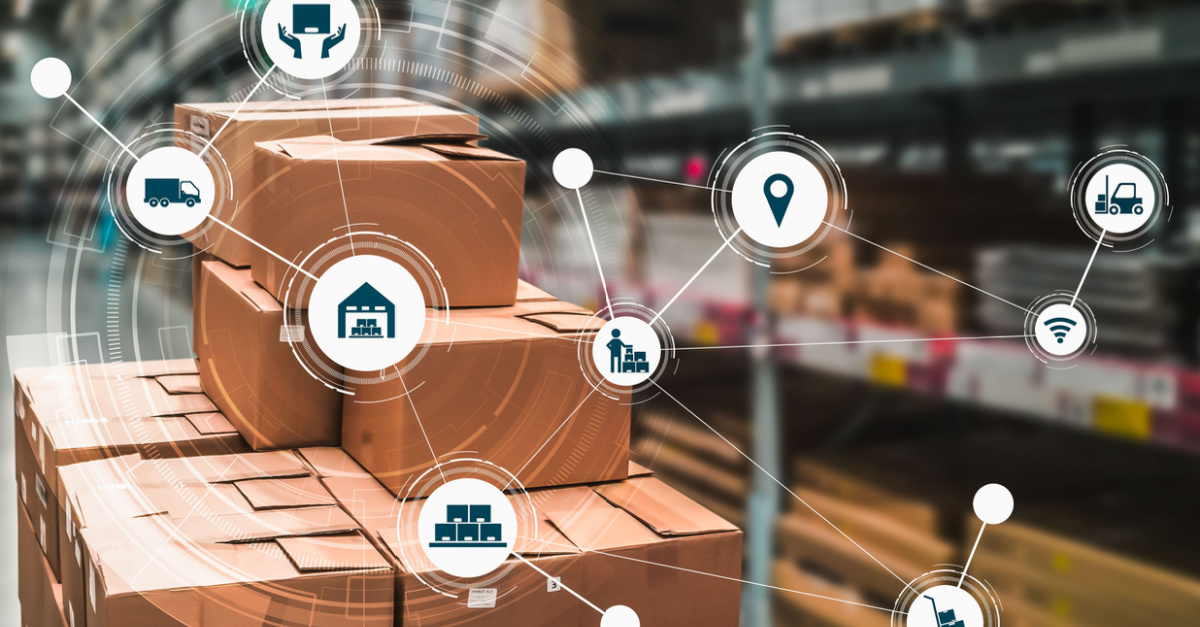
- Provides one “control tower” view over shipments
- Uses data to suggest better lanes and services
For SMEs, 4PL for SMEs means you no longer act as your own mini logistics department. You focus on sales and product, while a specialist orchestrates the network for you.
1.2 Why It Was Once “Only for Big Players”
Traditional 4PL services were built for:
- Very high order volumes
- Long contracts
- Complex global networks
Small brands often felt they were “too small” for that model. Today, tech-driven 4PLs are more modular. They allow smaller senders to:
- Start with one region or one lane
- Use existing carrier contracts through the 4PL
- Scale volume step by step instead of all at once
This shift is what makes 4PL for SMEs realistic.
2. Real Logistics Pain Points SMEs Face

2.1 Too Many Partners, Too Little Time
A typical SME team must:
- Compare prices from several couriers
- Create labels on different systems
- Answer “where is my parcel?” messages
- Deal with customs questions for cross-border orders
Every new country or carrier adds more work. Instead of focusing on growth, the team spends hours fighting operational fires.
2.2 Poor Visibility Once the Parcel Leaves
Smaller brands often rely on:
- Basic tracking pages from each carrier
- Manual spreadsheets
- Occasional emails from logistics partners
This creates problems:
- Blind spots between export and last mile
- Slow reaction when a parcel is stuck
- Frustrated buyers because support has no clear answer
Without end-to-end visibility, it’s hard to promise realistic delivery times.
2.3 Cost vs Reliability Is Hard to Balance
Cheaper routes may bring:
- Longer transit times
- More failed deliveries
- More tickets to support
More reliable routes may be too expensive for your margin. A small brand rarely has enough data to make confident trade-offs.
3. How 4PL for SMEs Solves These Problems

3.1 One Control Tower Instead of Many Dashboards
A strong 4PL gives you:
- One platform for all shipments
- One view across multiple carriers and countries
- Clear status flags and alerts
You can quickly see:
- Which parcels are delayed
- Which routes have repeated issues
- Which market needs better carrier choices
This kind of “control tower” view used to belong only to big companies. Now SMEs can access it through 4PL for SMEs services.
3.2 Smarter Route and Carrier Selection
Rather than guessing based on rate sheets, 4PL uses:
- Real delivery performance data
- Customs clearance history
- Local last-mile success rates
The 4PL then:
- Recommends carriers for each country
- Suggests service levels by weight or product type
- Adjusts strategies when data shows new patterns
So your brand benefits from continuous optimization without hiring an in-house logistics analyst.
3.3 From Firefighting to Exception Management
With 4PL:
- Not every parcel needs manual attention
- The system monitors scans and transit times
- Anomalies trigger alerts or workflows
Your team focuses on exceptions instead of checking every shipment. That means less stress and more time to work on strategy.
4. Practical Scenarios Where 4PL Helps Small Brands

4.1 Testing a New Country
A small brand wants to ship to Europe or the US. Without 4PL, that means:
- Searching for local carriers
- Setting up separate integrations
- Learning customs rules by trial and error
With 4PL for SMEs:
- You use the 4PL’s existing carrier network
- You follow proven playbooks for each region
- You plug into one system that already supports multiple markets
You test new markets with lower risk and faster setup.
4.2 Handling Seasonal Peaks
Black Friday, Christmas, or campaign spikes can cause:
- Delivery delays
- Lost parcels
- Overloaded support teams
A 4PL partner helps you:
- Plan capacity before the peak
- Use backup carriers when lanes are crowded
- Track daily performance and react early
Your logistics becomes more predictable, even when order volume jumps.
4.3 Managing Returns Better
Returns are a big part of modern e-commerce. A 4PL can:
- Provide clear return labels and rules
- Route returns to the right hubs
- Sync return status and inventory back to your system
Customers get smoother return journeys, and you recover stock faster.

5. What to Check Before Choosing a 4PL Partner
5.1 Tech That Fits a Small Team
Look for:
- Simple, clean dashboard
- Easy search by order ID, buyer name, or tracking number
- Clear filters for country, carrier, and status
If the tool feels like a complex enterprise system, it may slow your team instead of helping it.
5.2 Flexible Terms and Transparent Pricing
For SMEs, important questions include:
- Is there a minimum shipment volume?
- Are there high setup or integration fees?
- How are surcharges and extra services charged?
A good 4PL for SMEs should be comfortable with growing volumes and be transparent about cost structure.
5.3 Real Support, Not Just a Ticket System
Ask each potential partner:
- Who is my main contact person?
- How fast do you respond during shipping incidents?
- Do you guide us when we open new lanes or markets?
Logistics is not only software. You need humans who understand your brand size and risk level.
6. How PostalParcel Fits the 4PL for SMEs Model
6.1 One Platform for Cross-Border Shipments
PostalParcel focuses on cross-border visibility. Through one platform, small brands can:
- Monitor shipments from origin to final delivery
- Track multiple carriers and countries in one place
- Catch gaps and delays early rather than after customers complain
This helps SMEs give clearer delivery promises and reduce support pressure.
6.2 Built Around Small and Growing Brands
Instead of targeting only large enterprises, PostalParcel is built with SMEs in mind:
- Onboarding designed for small teams
- Practical workflows for real-life use cases
- A control-tower view without a huge IT project
So you can enjoy the benefits of 4PL for SMEs without acting like a global corporation.

7. Simple Steps to Start Using 4PL as an SME
7.1 Map Your Current Situation
Write down:
- Top shipping destinations
- Monthly order volume by region
- Current carriers and pain points
- Key promises on your product pages (standard, express, delivery windows)
This gives you and the 4PL a clear picture.
7.2 Start with a Pilot
Rather than moving everything at once, you can:
- Choose one region as a test
- Or choose one product category (for example, high-value items)
Compare performance, cost, and customer feedback. Then expand if results are positive.
7.3 Align Your Customer Communication
Once you gain better tracking and stability, update:
- Shipping FAQs
- Order confirmation and tracking emails
- Customer service scripts
Explain improvements in simple language: more stable delivery times, better tracking, fewer lost parcels.
8. Why 4PL for SMEs Is Worth Considering Now
4PL for SMEs is no longer a theory or a privilege of giant brands. Modern 4PL partners allow small companies to:
- Use big-scale logistics networks
- See shipments clearly across borders
- Reduce daily fire-fighting for logistics issues
If logistics already consumes too much of your time, exploring a 4PL solution like PostalParcel can free your team to focus on product, marketing, and customer experience—while the heavy operational work stays in expert hands.

Industry Insights

news via inbox
Nulla turp dis cursus. Integer liberos euismod pretium faucibua