

The Future of OMS Platforms: Trends Shaping the Order Management Industry
Order Management Systems (OMS) have undergone significant transformations in recent years, and their role is only becoming more crucial as businesses expand and consumer expectations increase. With eCommerce growing rapidly, businesses need robust solutions to manage the complexities of order fulfillment, inventory management, and shipping logistics. In this article, we will explore the key trends shaping the future of OMS platforms, the growing importance of WMS, and how Postalparcel’s logistics services enhance OMS functionalities.

What is an OMS Platform?
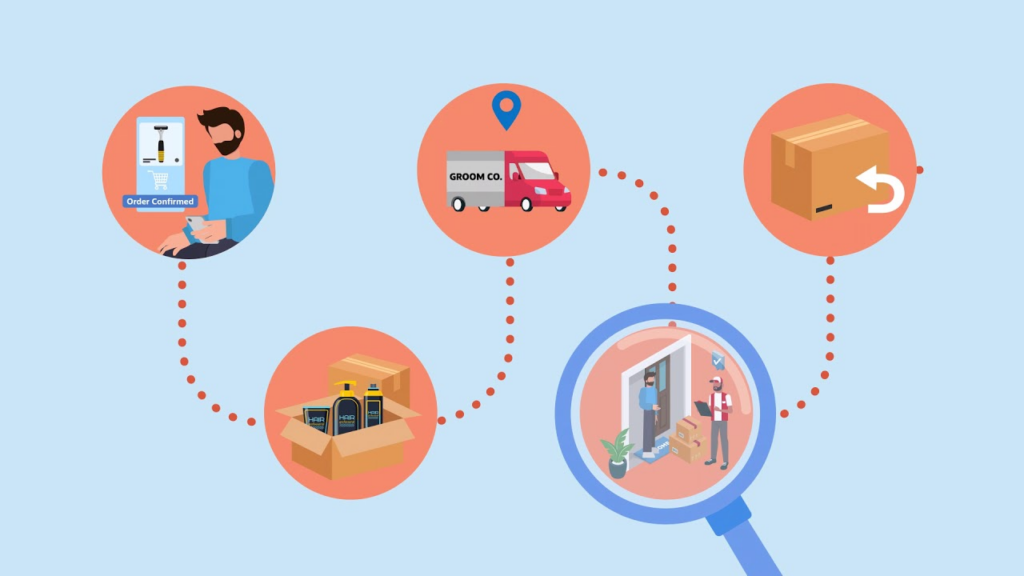
An Order Management System (OMS) is a software solution that helps businesses track, manage, and fulfill customer orders. OMS platforms facilitate the smooth flow of information from the point of sale to the final delivery, integrating with various systems such as inventory management, customer data, and logistics tools. The OMS acts as the bridge between the customer’s order and the fulfillment process, ensuring that businesses can deliver products efficiently and accurately.
OMS platforms are especially valuable for eCommerce businesses that sell products across multiple channels. These platforms help manage order data, improve customer service, reduce errors, and streamline the fulfillment process.
Key Trends Shaping the Future of OMS Platforms
As the world of commerce becomes more complex, OMS platforms must evolve to meet new challenges and opportunities. Here are some of the major trends driving the future of OMS platforms.
1. Automation and AI in OMS Platforms
- Automation: OMS platforms are increasingly integrating automation features that enable businesses to handle tasks like inventory tracking, order processing, and shipment tracking automatically. Automation reduces the likelihood of human error, improves processing speed, and ensures orders are fulfilled without delay.
- AI and Machine Learning: Artificial Intelligence is revolutionizing OMS platforms by adding intelligence to processes that were once manual. Machine learning can help predict demand, optimize stock levels, and even personalize customer experiences. AI algorithms analyze order patterns, customer behavior, and seasonal trends, allowing businesses to anticipate needs and make informed decisions about order fulfillment.

Businesses that incorporate AI into their OMS can gain an edge by using data-driven insights to predict customer preferences, streamline the supply chain, and optimize inventory management.
2. Omnichannel Integration
As customers increasingly interact with businesses through multiple touchpoints—online, mobile apps, and in-store—OMS platforms are evolving to manage these diverse sales channels in a seamless way.
- Unified Customer Experience: Omnichannel integration ensures that businesses can provide a cohesive shopping experience for customers, regardless of the platform they use. For instance, customers might browse products online, make a purchase via mobile, and choose to pick up the product in a physical store. OMS platforms help ensure that all these channels are connected and orders are processed efficiently.
- Inventory Synchronization: Businesses can track inventory in real time across all sales channels, making sure that stock levels are always up to date. Omnichannel integration helps avoid over-selling and under-selling, which can negatively affect customer satisfaction.
As businesses expand to new sales channels and markets, an omnichannel OMS system will be critical to providing a consistent experience and meeting customer expectations.
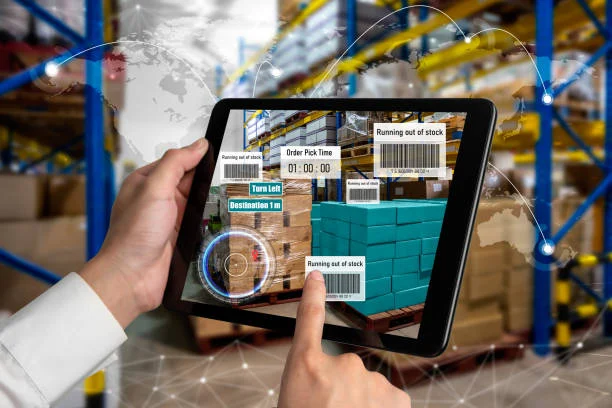
3. Real-Time Inventory Management
The need for real-time inventory visibility is becoming more important as businesses scale globally. Real-time inventory management enables businesses to:
- Improve Decision-Making: Real-time data allows businesses to make informed decisions about order fulfillment, purchasing, and stock replenishment.
- Optimize Stock Levels: By syncing inventory across various warehouses and stores, businesses can maintain optimal stock levels to meet customer demands without overstocking or understocking products.
With the growing complexity of modern supply chains, real-time inventory management offers businesses the ability to stay ahead of fluctuations in demand, reducing costs and improving customer satisfaction.
4. Cloud-Based OMS Platforms
Cloud-based OMS platforms have become increasingly popular due to their scalability, cost-effectiveness, and flexibility. Businesses no longer need to rely on on-premise infrastructure, which requires significant investment in hardware and maintenance.
- Scalability: Cloud solutions enable businesses to scale their OMS as their operations grow, making them ideal for companies looking to expand into new markets or handle increasing order volumes.
- Global Access: Cloud platforms provide businesses with access to their OMS data from anywhere, which is particularly useful for global businesses operating across different regions and time zones.
- Integration with Other Systems: Cloud-based platforms can easily integrate with third-party services like shipping solutions, payment processors, and customer relationship management (CRM) tools, enabling a seamless flow of data across systems.
The Role of Postalparcel in Enhancing OMS Platforms
As businesses adopt the latest trends in OMS platforms, services like Postalparcel offer crucial logistics support that improves order fulfillment processes. Unlike traditional OMS systems, Postalparcel provides a full-service logistics solution that integrates seamlessly with OMS platforms.
Key Features of Postalparcel’s Logistics Services:
- Carrier Management: With Postalparcel, businesses can manage multiple carriers, choosing the best shipping option based on delivery speed, cost, and service level. This feature allows businesses to optimize shipping costs while ensuring timely deliveries.
- Order Fulfillment: Postalparcel’s order fulfillment services simplify the process by managing picking, packing, and shipping. By automating these steps, businesses can reduce fulfillment errors and speed up delivery times.
- Real-Time Inventory Updates: Integrating with Warehouse Management Systems (WMS), Postalparcel ensures that businesses have real-time visibility into their inventory across multiple warehouses and fulfillment centers. This improves decision-making and helps businesses avoid stockouts.
By offering these services, Postalparcel supports OMS platforms by making order fulfillment and logistics management more efficient.
Real-World Applications of OMS Platforms
Businesses around the world are already benefiting from OMS platforms and Postalparcel’s logistics services. Here are a few real-world examples:
- Global eCommerce Retailer: A large online retailer that sells products across multiple regions uses an integrated OMS and Postalparcel’s services to manage orders. The OMS tracks customer orders, updates inventory in real time, and automates order processing. Postalparcel manages the shipping logistics, ensuring fast and reliable delivery to customers.
- Multi-Channel Clothing Brand: A clothing retailer with both physical stores and an eCommerce platform uses an omnichannel OMS to synchronize orders across all channels. This integration ensures that stock levels are updated in real time, and orders can be fulfilled from any store or warehouse.
- Subscription Box Service: A subscription box service leverages an OMS and Postalparcel’s real-time inventory tracking to streamline its operations. With accurate inventory data and automated fulfillment, the business can reduce stockouts and ensure timely delivery to subscribers.
Why OMS Platforms Are Critical for Business Success
OMS platforms are essential for businesses to remain competitive in today’s fast-paced eCommerce market. The key benefits of an efficient OMS include:
- Faster Fulfillment: By automating order processing and integrating with carriers, businesses can reduce the time between order placement and delivery, providing a better experience for customers.
- Improved Accuracy: Automation reduces human errors in order fulfillment, leading to higher customer satisfaction and fewer returns.
- Cost Savings: Efficient inventory management and optimized shipping routes help businesses reduce operational costs.
- Better Customer Experience: OMS platforms ensure that customers receive timely updates on their orders, enhancing satisfaction and increasing loyalty.
Conclusion
The future of OMS platforms is driven by automation, omnichannel integration, and real-time inventory management. As businesses scale and customer demands increase, adopting a modern OMS system is critical for staying competitive. Postalparcel’s logistics services, including carrier management and order fulfillment, complement OMS platforms by streamlining the entire order management and shipping process.
By embracing these trends and leveraging services like Postalparcel, businesses can enhance their operations, improve customer satisfaction, and be well-positioned for future success in the ever-growing eCommerce market.

Industry Insights

news via inbox
Nulla turp dis cursus. Integer liberos euismod pretium faucibua