

Cost-Benefit Analysis of ERP vs WMS: Which Offers the Best ROI?
In the world of business management, ERP (Enterprise Resource Planning) and WMS (Warehouse Management Systems) are two essential systems designed to streamline operations, enhance productivity, and improve decision-making. But which one offers the best return on investment (ROI)? Understanding the benefits and drawbacks of each system is crucial for businesses deciding which solution to adopt.
In this article, we’ll conduct a cost-benefit analysis of ERP vs WMS and explore the ROI potential of both systems. We’ll also discuss Postalparcel services, including their warehouse management and order fulfillment services, to show how companies can achieve operational excellence without necessarily investing in a full ERP or WMS system.
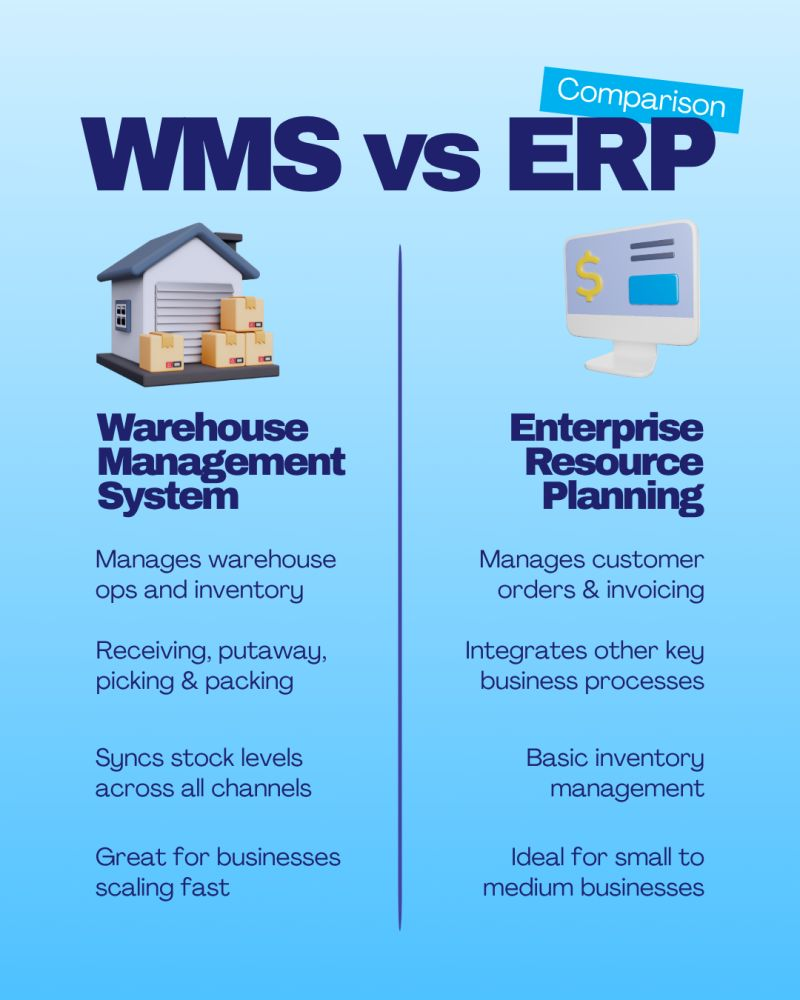
What is ERP and WMS?
Before diving into the cost-benefit analysis, let’s briefly review what ERP and WMS are and how they function.
ERP (Enterprise Resource Planning)
An ERP system is a comprehensive solution designed to manage various business functions, including:
- Finance and accounting
- Human resources
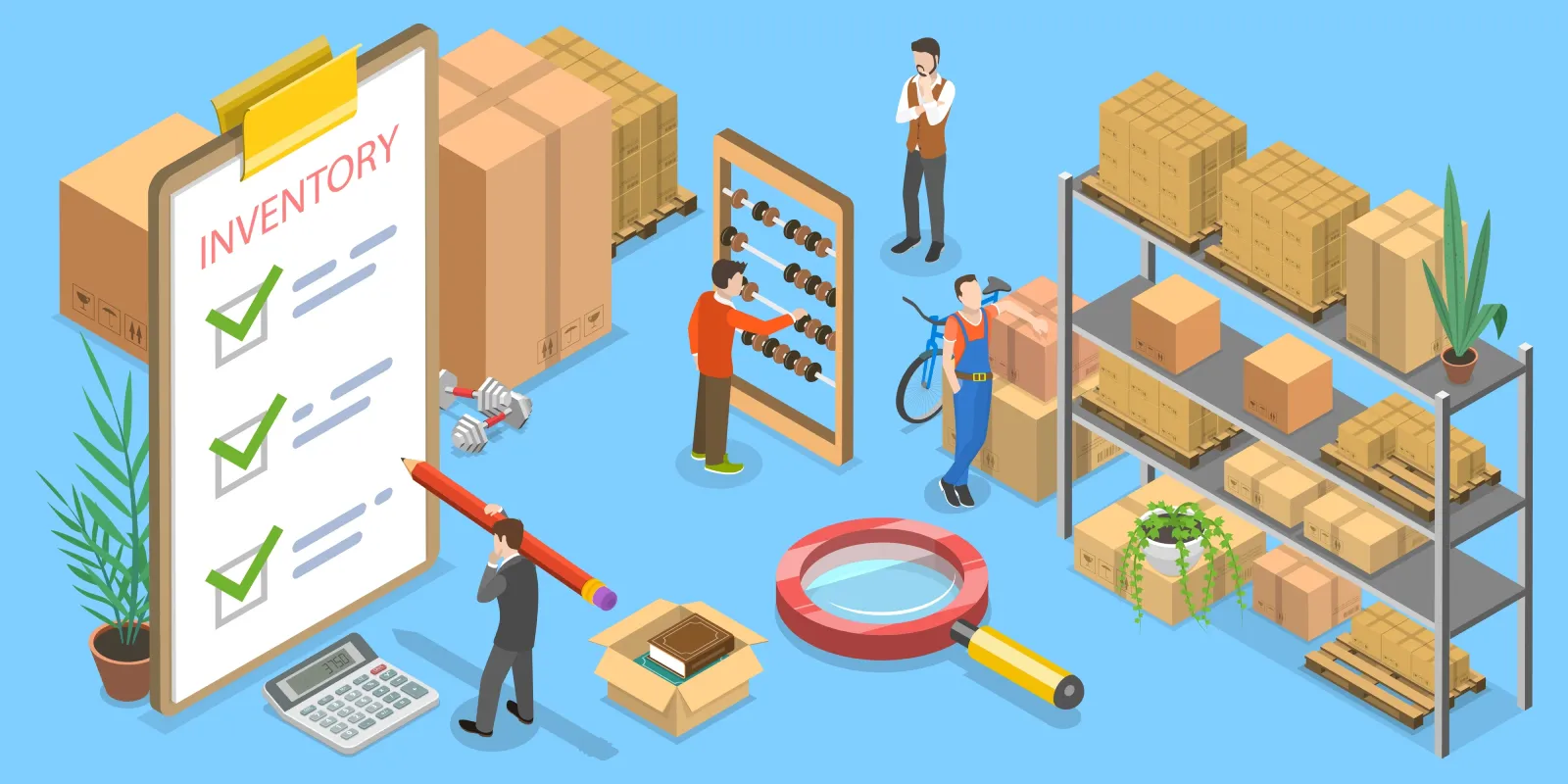
- Inventory management
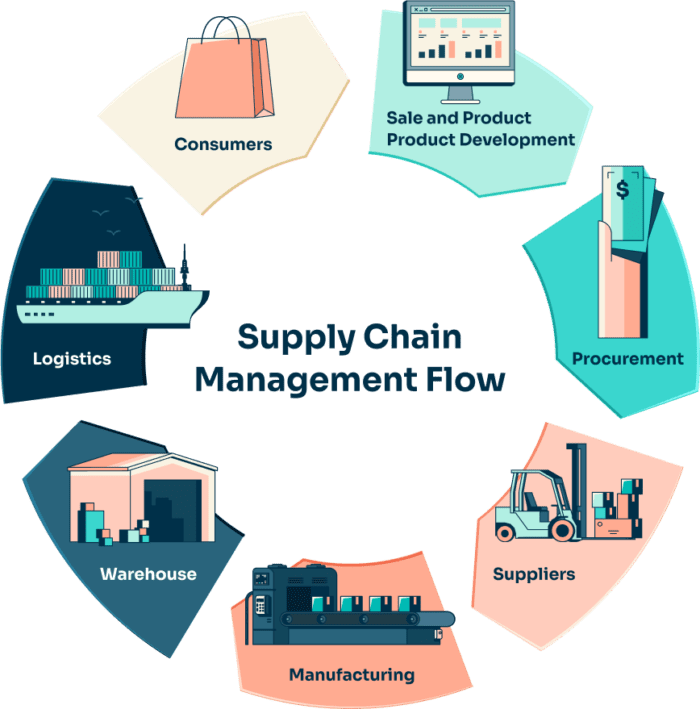
- Supply chain management
- Customer relationship management (CRM)
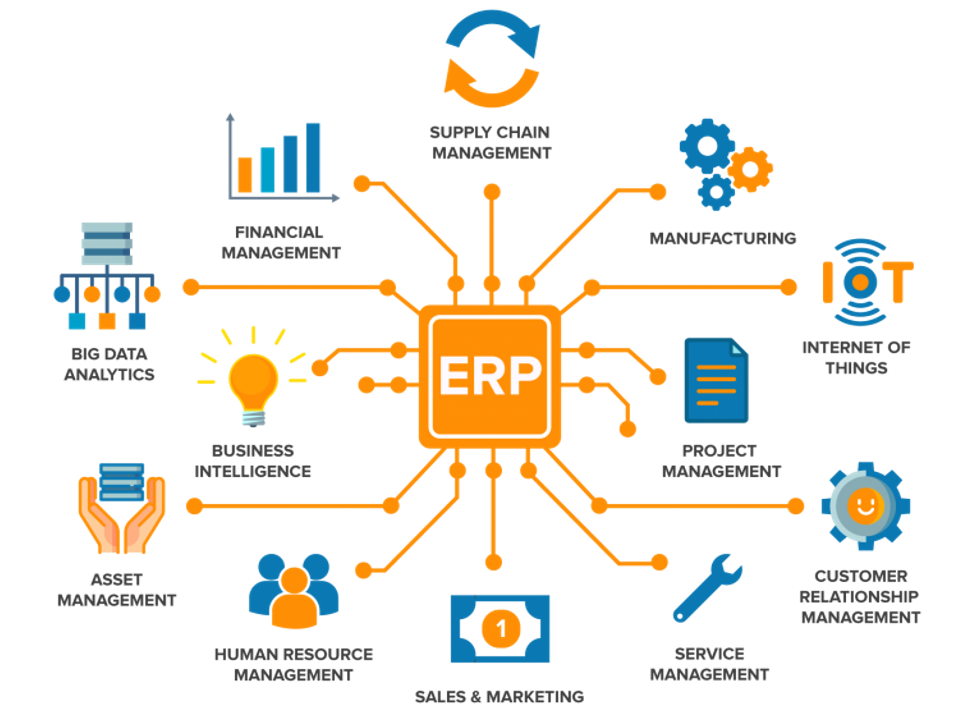
ERP systems integrate data across these functions, allowing companies to have a centralized database for business processes.
WMS (Warehouse Management System)
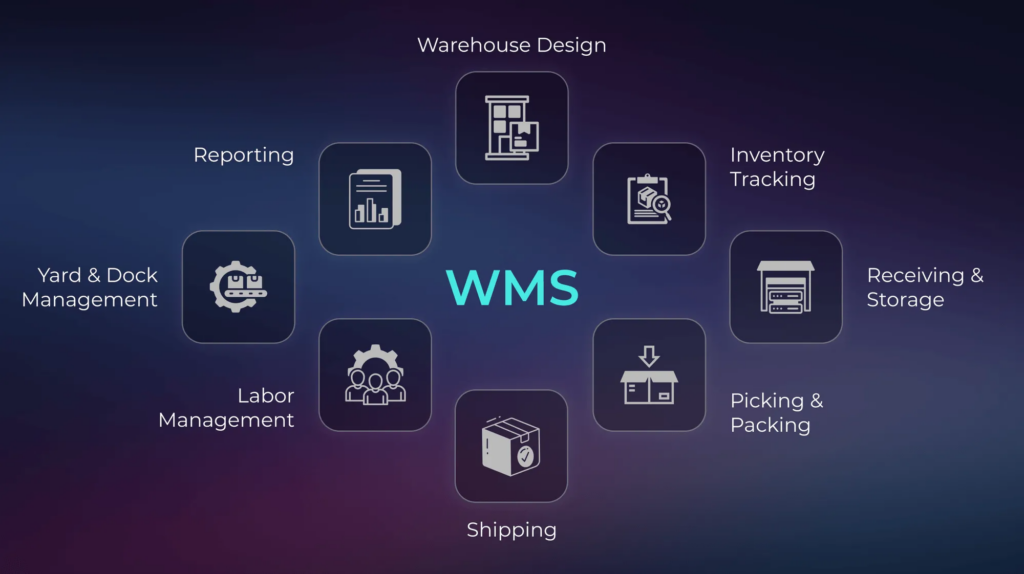
A WMS, on the other hand, is a specialized software solution focused on managing warehouse operations. It includes functionalities such as:
- Inventory tracking
- Order picking and packing
- Shipping and receiving
- Warehouse layout optimization
WMS systems are designed to streamline warehouse operations and improve inventory accuracy, speed, and efficiency.
Cost-Benefit Analysis of ERP vs WMS
Now let’s analyze the costs and benefits of ERP and WMS to determine which system offers the best ROI for businesses.
Costs of Implementing ERP
ERP systems are typically more expensive to implement due to their extensive functionality and integration requirements. Here’s a breakdown of potential costs:
- Initial software purchase: ERP systems can be expensive to buy, especially for businesses that need a custom solution.
- Implementation costs: Setting up an ERP system requires significant time and resources, including consulting fees, system configuration, and staff training.
- Ongoing maintenance: ERP systems require regular updates and technical support, which add to the long-term costs.
- User training: Employees will need training to effectively use the ERP system, which can involve additional costs.
Benefits of Implementing ERP
Despite the high initial costs, ERP systems offer several benefits:
- Centralized data: ERP systems integrate data across departments, reducing redundancy and improving decision-making.
- Efficiency and automation: Many manual processes are automated in ERP systems, leading to time savings and reduced human error.
- Scalability: As businesses grow, ERP systems can scale to accommodate additional functions, locations, and employees.
- Improved reporting: Real-time insights and reports help businesses monitor performance and make informed decisions.

Costs of Implementing WMS
While WMS systems are generally more affordable than ERP systems, there are still costs involved:
- Software purchase: Depending on the complexity and scale, a WMS can range in cost. Some businesses may only need a basic WMS, while others may require a more advanced solution.
- Implementation: Setting up a WMS involves configuring the system to work with existing warehouse operations, which can take time and resources.
- Hardware costs: WMS systems may require new hardware, such as barcode scanners, RFID tags, or mobile devices for warehouse staff.
- Maintenance and support: Like ERP systems, WMS solutions require ongoing maintenance and support to ensure smooth operations.
Benefits of Implementing WMS
The benefits of implementing a WMS are significant, particularly in warehouses and distribution centers:
- Enhanced inventory control: WMS improves real-time inventory tracking, reducing stockouts and overstocking.
- Faster order fulfillment: By optimizing picking routes and automating processes, WMS speeds up order processing and shipping.
- Accuracy: WMS reduces errors in inventory and order management, leading to fewer mistakes and returns.
- Cost savings: By improving warehouse operations, WMS can reduce labor costs and increase warehouse throughput.
Postalparcel’s Warehouse Management Services: A Solution for Efficiency
If you’re looking to improve warehouse operations without the heavy investment in an ERP or WMS system, Postalparcel offers an excellent alternative. Postalparcel provides warehouse management and order fulfillment services designed to streamline inventory management and shipping processes.
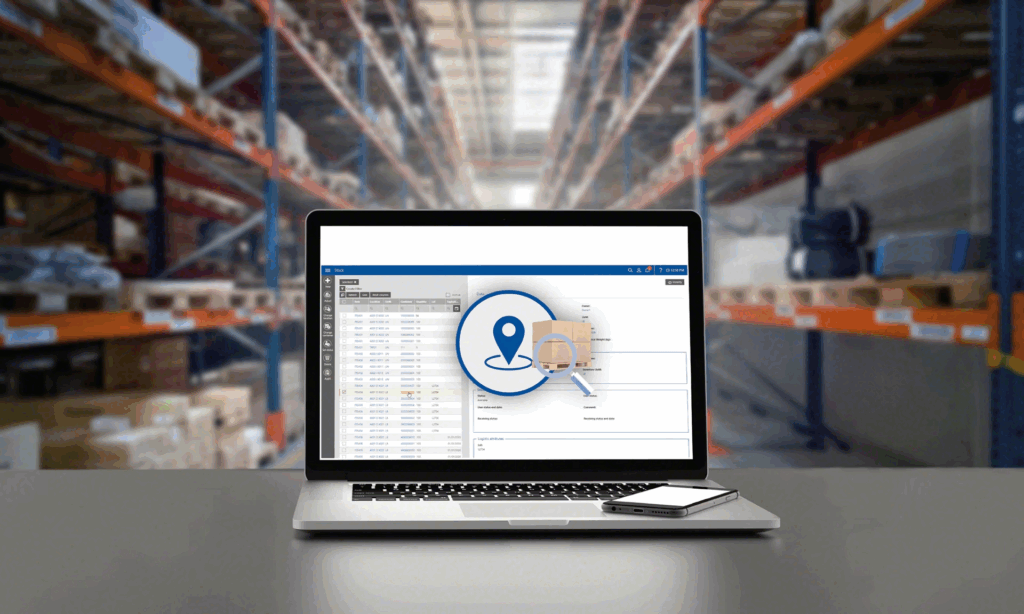
Benefits of Using Postalparcel for Warehouse Management:
- Carrier Management: Postalparcel integrates multiple carriers, providing you with flexibility and cost-saving options for shipping. You can choose the best carrier for each order based on cost, speed, and destination.
- Order Fulfillment Services: Postalparcel’s order fulfillment services handle the picking, packing, and shipping of products on your behalf, freeing up your time to focus on growing your business.
- Real-Time Tracking: With Postalparcel’s warehouse management, you can access real-time updates on your inventory and orders, improving visibility and decision-making.
By outsourcing warehouse management and fulfillment services to Postalparcel, you can avoid the high upfront costs and complexities associated with traditional WMS systems, while still reaping the benefits of optimized warehouse operations.
Which System Offers the Best ROI: ERP or WMS?
The decision between ERP and WMS largely depends on your business’s needs:
- If you need an all-in-one solution for managing various business functions (finance, HR, supply chain), an ERP system might be the better choice, despite its higher cost.
- If your primary goal is to optimize warehouse operations, improve inventory accuracy, and speed up order fulfillment, a WMS is likely the better option. It offers a more affordable solution that focuses specifically on warehouse and inventory management.
For businesses that want to avoid the complexities and costs of a full ERP or WMS system, Postalparcel’s warehouse management and order fulfillment services provide a cost-effective alternative. Postalparcel helps streamline logistics without the need for expensive software or hardware investments.
Conclusion
When it comes to maximizing ROI, both ERP and WMS offer distinct advantages depending on your business’s needs. If you require comprehensive business management across all functions, an ERP system may be worth the investment. However, if your main focus is on improving warehouse efficiency and inventory management, a WMS or outsourcing to Postalparcel for warehouse management and order fulfillment services could provide the best value.
By leveraging Postalparcel’s warehouse management services, businesses can streamline their logistics, reduce costs, and improve operational efficiency—all without the need for expensive and complex systems.


Industry Insights

news via inbox
Nulla turp dis cursus. Integer liberos euismod pretium faucibua