
4PL for Fashion DTC: Fast Drops, Low Inventory Risk
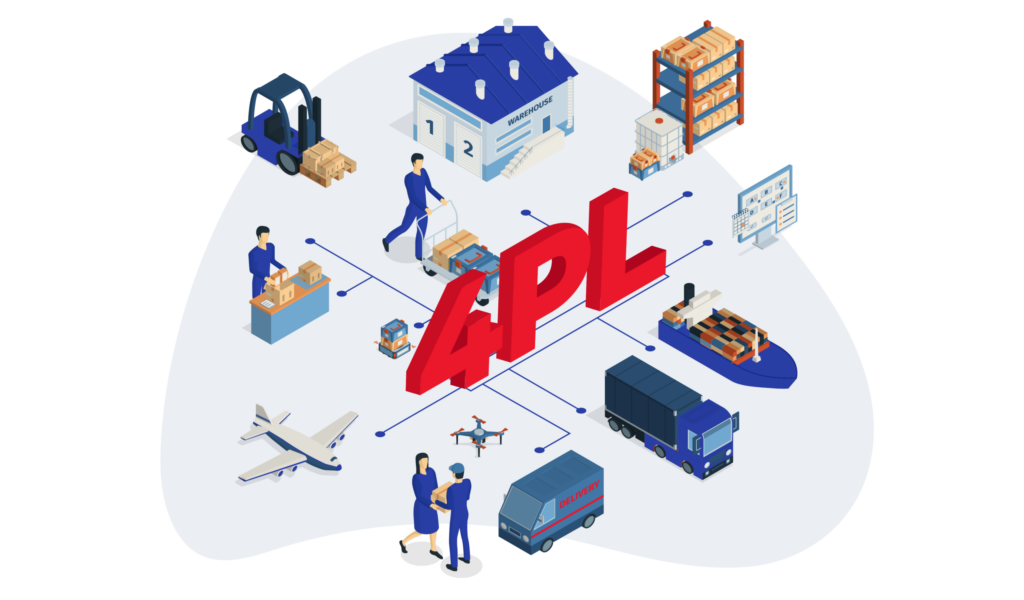
4PL for Fashion DTC is becoming a core strategy for modern fashion brands that need fast releases, flexible operations, and fewer inventory risks. Fashion DTC brands live in a world where trends rise and fall at high speed. Every season moves faster than the one before. Buyers expect weekly drops, global shipping, and clear tracking. Brands want this growth but do not want the heavy cost and risk of traditional warehousing. This is why many brands now turn to 4PL for Fashion DTC to run Fast Drops Logistics and build Low Inventory Risk Solutions that support rapid expansion.
Why 4PL Helps Fashion DTC Brands Grow
Faster cycles fit the nature of fashion
Trend-driven brands cannot wait for slow logistics chains. A 4PL system gives them flexible routing, multiple partners, and real-time decisions. This structure keeps the brand ready for fast launches. With 4PL for Fashion DTC, the team does not depend on a single warehouse or a single carrier. Instead, they use a network that adapts to trend speed.
Inventory risk becomes easier to control
Inventory risk destroys DTC cash flow. A brand that overbuys faces dead stock. A brand that underbuys loses sales. Low Inventory Risk Solutions within a 4PL model help reduce this pressure. The brand keeps stock light and moves goods only when demand proves real. This creates healthier margins and less stress.
Global buyers expect fast delivery
A trend may start on TikTok today and reach buyers in five countries tomorrow. 4PL for Fashion DTC supports this scale. Real-time routing and unified tracking offer a smoother post-purchase experience. The brand stays consistent even when demand spikes.
How 4PL Powers Fast Drops
1. Multi-origin sourcing for high-speed releases
Fashion products often come from multiple suppliers. Without 4PL, shipment scheduling becomes messy. With 4PL for Fashion DTC, production from China, Vietnam, Turkey, and India can flow into one coordinated system. This supports Fast Drops Logistics because:
- Small batches move quickly
- Different factories ship at different times
- All goods join one outbound plan
The brand launches new items faster without waiting for one slow supplier.
2. Real-time routing protects launch schedules
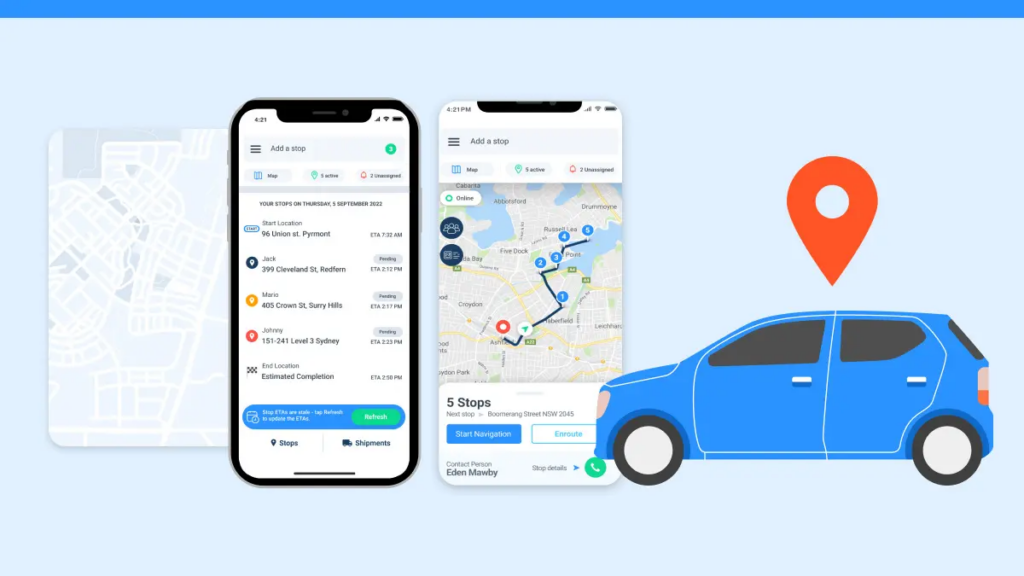
Trends are time-sensitive. Any delay can reduce conversion. A 4PL system reacts to route changes quickly and finds the fastest option. For example:
- Direct air shipping for priority customers
- Mixed routing for standard customers
- Batch consolidation for global buyers
These tools help the brand keep its promise and deliver drops on time.
3. No warehouse congestion during peak days
Launch weeks usually create bottlenecks. Traditional 3PL warehouses struggle during big events. By using 4PL for Fashion DTC, the brand spreads the workload across multiple partners. If one site slows down, another handles overflow. The brand avoids shipment delays and angry support emails.
How 4PL Reduces Inventory Risk
1. Smarter stock placement
Instead of storing everything in one region, brands can use Low Inventory Risk Solutions to place smaller amounts across key hubs. Stock moves only when needed. This reduces:
- Capital pressure
- Storage cost
- Dead stock build-up
With 4PL for Fashion DTC, small inventory pools support large sales potential.
2. On-demand replenishment
Restocking becomes faster because the whole supply chain is visible. When a product gains traction on social media, the team increases orders. When interest slows down, the brand pauses. This agile model supports smarter forecasting.
3. Real data makes decisions easier

Bad forecasting hurts fashion brands. Trends shift fast, and old data becomes useless. 4PL platforms provide current data:
- SKU demand
- Transit time
- Country-specific shipping success
- Order clustering
Better data makes low-risk decisions possible.
How 4PL Strengthens Customer Experience
Unified tracking builds confidence
Fashion customers want clear updates. They check tracking more often than product descriptions. With 4PL for Fashion DTC, tracking is unified into one link. This offers:
- Clear progress
- Predictable arrival times
- Fewer “Where is my order?” messages
When tracking improves, customer satisfaction increases.
Fewer lost parcels
A single control tower reduces miscommunication. Exceptions are handled quickly. Deliveries stay consistent even during busy weeks.
Faster returns and refunds
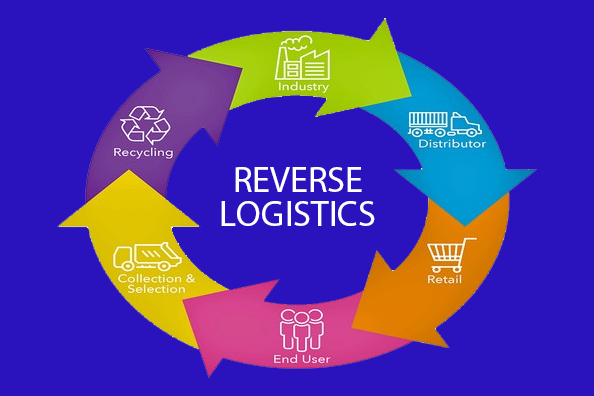
Reverse logistics improves customer loyalty. 4PL systems help brands receive returns in several regions and process refunds quickly. This also encourages repeat purchases.
Operational Benefits for Fashion Teams
Reduced internal workload
DTC teams often spend hours managing emails, carriers, and suppliers. 4PL for Fashion DTC removes this burden. Everything runs through one system. The team focuses on product and marketing, not complex logistics.
Better cost structure
A good 4PL negotiates cost across many carriers. Brands get better pricing, flexible delivery speed, and transparent billing. The shipping cost becomes predictable even when global logistics fluctuate.
Supports both B2C and B2B orders
Fashion brands operate across many channels: direct customers, wholesale partners, pop-up events, and influencer drops. A 4PL handles all these flows in one system. This prevents operational overload.
Real Use Cases in Modern Fashion DTC

Weekly micro-drops
Fast Drops Logistics allow brands to test small collections with almost zero operational pressure. A design can go live within days instead of weeks, because 4PL for Fashion DTC connects suppliers, carriers, and fulfillment nodes in one workflow. When an item performs well, replenishment moves fast. When it fails, the brand loses little because inventory stays light. This rhythm helps fashion teams follow micro-trends while protecting cash flow.
Flash sales
Flash sales create sudden order spikes that break traditional warehouses. A 4PL absorbs this volume by distributing the workload across several fulfillment sites. The system switches routing automatically, assigns parcels to the best-performing node, and maintains delivery speed even when traffic surges. This lets fashion DTC brands run aggressive promotions without worrying about operational collapse.
International expansion
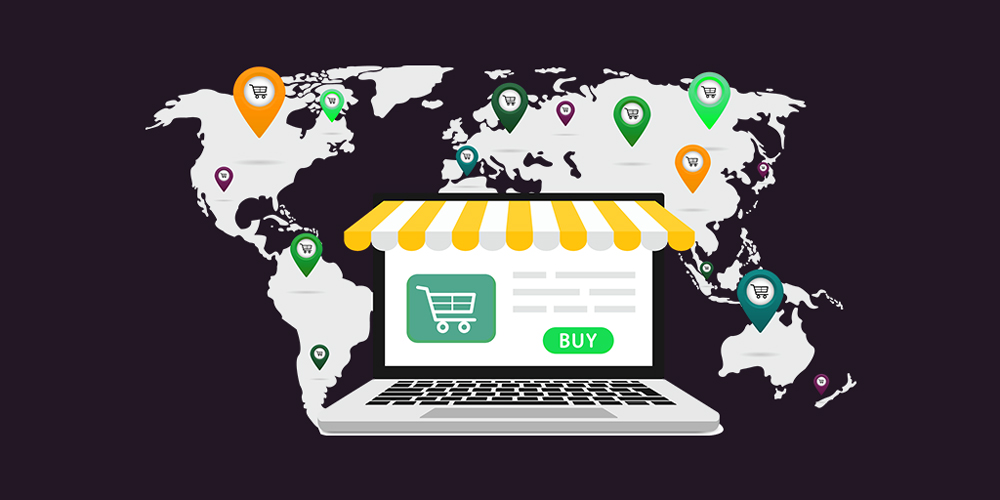
Entering new regions is usually slow and expensive. 4PL for Fashion DTC removes much of the friction. Brands run cross-border shipping, flexible consolidation, and local delivery without building facilities or staffing warehouses. This structure gives small teams the reach of a global company. They launch in new markets with low risk and scale only when demand proves stable.
Pre-order campaigns
Pre-orders help the brand measure demand before producing inventory. With 4PL support, orders sync automatically with factory timelines, and shipments begin as soon as goods arrive at hubs. The entire process becomes a structured pipeline. Customers enjoy predictable updates, and the brand benefits from Low Inventory Risk Solutions backed by real demand data.
Trend-driven spikes
Some products explode overnight because of influencers or viral videos. When this happens, 4PL for Fashion DTC reacts faster than a traditional logistics setup. Replenishment picks up speed, routing adjusts to prioritize hot SKUs, and delivery stays stable even under intense pressure. This prevents stock-outs, protects revenue, and helps brands capture the peak of trending demand.
Conclusion
Fashion brands want to scale fast without carrying too much risk. 4PL for Fashion DTC provides that balance. It supports Fast Drops Logistics, builds Low Inventory Risk Solutions, and gives customers a better delivery experience. As trends accelerate each year, 4PL becomes a critical advantage for any fashion DTC brand that wants to move faster with confidence.

Industry Insights

news via inbox
Nulla turp dis cursus. Integer liberos euismod pretium faucibua