From Chaos to Clarity: How 4PL Makes Global Shipping Simple
From Chaos to Clarity: How 4PL Makes Global Shipping Simple describes the journey many cross-border sellers want to make. Global logistics can feel messy and hard to control, and 4PL gives you a way to turn scattered partners and portals into one simple system.
1. Why Global Shipping Feels So Chaotic
1.1 Too many partners, too little control
A typical cross-border e-commerce business works with several different partners:
- Local couriers for domestic pickups
- One or more international express providers
- Postal solutions for low-value parcels
- A separate partner for returns or reverse logistics
Each provider has its own portal, tracking logic, and pricing rules. This creates problems such as:
- Customer service jumping between multiple systems
- Finance teams struggling to reconcile invoices with shipments
- Operations teams fighting inconsistent SLAs and delivery times
Instead of one clear chain, you face a patchwork of disconnected services.
1.2 Data everywhere, insights nowhere
Every carrier and warehouse generates data:
- Tracking scans at each node
- Customs status updates
- Delivery attempts and return reasons
However, this data usually sits:
- In different tools and formats
- With different update speeds
- Without a single source of truth
So basic questions become hard to answer:
- Which route gives the best cost per delivered parcel to the US?
- Which carrier has the highest failed-delivery rate in Europe?
- Where do most delays actually happen: export, customs, or last mile?
Without a unified view, you manage logistics by guesswork instead of facts.
1.3 Hidden costs and manual work
Logistics cost is more than just the base rate. You also deal with:
- Fuel surcharges and remote area fees
- Re-delivery and return handling charges
- Storage, relabeling, and consolidation fees
If your team checks invoices manually and matches them to shipments in spreadsheets, the workload grows fast. Errors are easy, disputes are slow, and you lose margin inside operational noise.
2. What 4PL Really Means in Practice
2.1 From 3PL to 4PL: the control tower
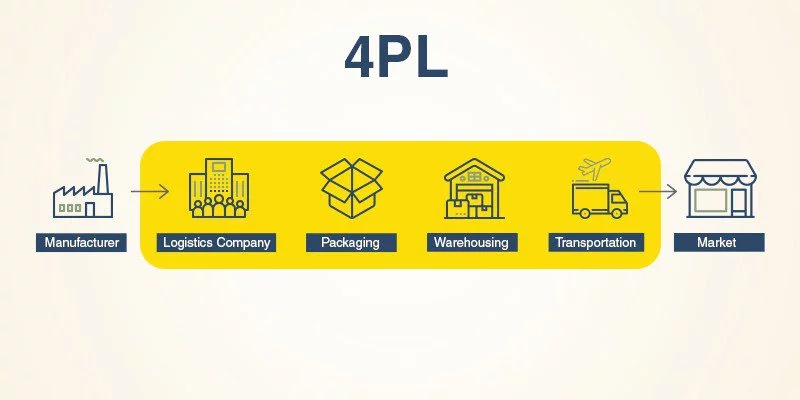
A 3PL focuses on execution: warehousing, pick and pack, and transport on certain lanes. A 4PL goes one level higher and acts as a control tower.
A 4PL typically:
- Designs your end-to-end logistics architecture
- Selects and manages multiple 3PLs and carriers
- Connects data from all parties into one platform
- Becomes a single point of contact and accountability
You still use many providers, but you do not manage each one separately. The 4PL becomes the “brain” of your operation, and carriers and warehouses act as the “muscles”.
2.2 What orchestration looks like day to day
In daily work, orchestration means:
- One framework for labels, routing, and tracking
- One contract structure for multiple lanes and services
- One team that monitors performance, exceptions, and costs
You keep strategic control of your logistics, but you stop spending energy on low-level coordination. This is where chaos starts to turn into clarity.
3. How 4PL Makes Global Shipping Simple
3.1 One interface instead of many portals
With a 4PL setup, you no longer need to log in to every carrier portal. You use a single interface that can:
- Generate shipping labels for different carriers
- Allocate shipments based on rules (destination, weight, SLA, cost)
- Show tracking and exceptions in one timeline
For a platform like PostalParcel, this means you can manage shipments to many countries from one dashboard. Your team sees one global picture instead of fragmented windows.
3.2 Smart routing instead of guesswork
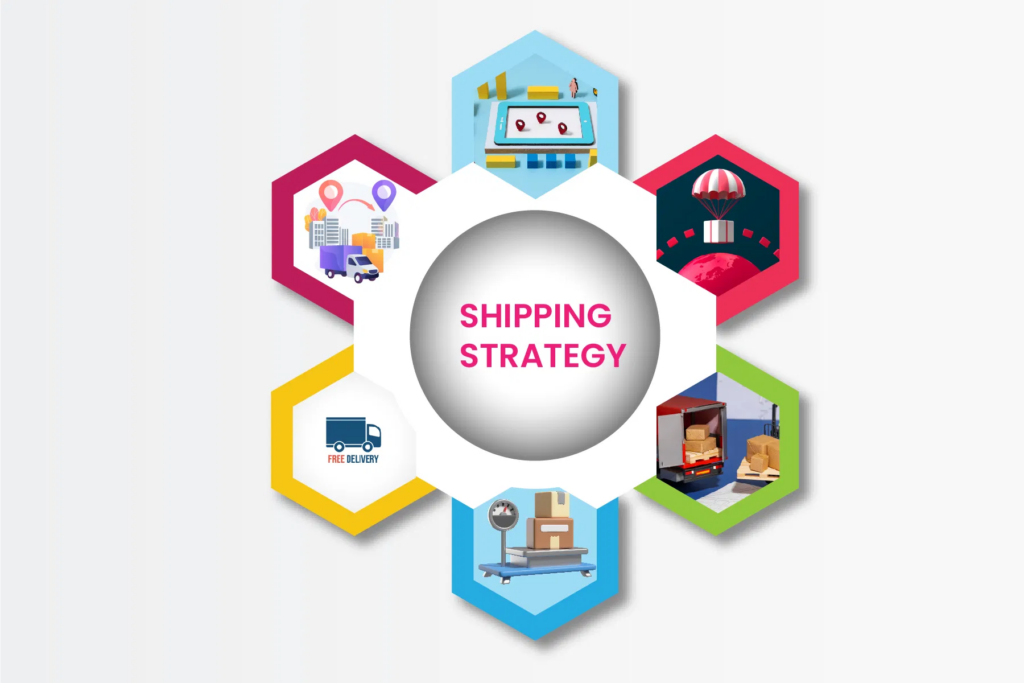
Choosing a carrier does not need to be a daily guess. A 4PL platform can:
- Compare historical performance by lane and product type
- Apply business rules you define (fastest, cheapest, balanced)
- Automatically select the best option for each order
For example:
- Premium customers in North America get an express service
- Low-value items to Europe use a reliable postal line
- Heavy or bulky parcels are routed to a specialist carrier
Over time, the routing engine learns from performance data. Your shipping strategy becomes smarter without constant manual adjustments.
3.3 Unified tracking and proactive exception handling
Customers expect clear tracking, no matter which carrier moves the parcel. A 4PL platform:
- Normalizes tracking events from different providers
- Offers one branded tracking page for your store
- Flags exceptions such as customs holds, failed deliveries, and returns
Your support team can then:
- See problems early in the process
- Proactively send updates to customers
- Offer options such as address confirmation or re-delivery
This reduces ticket volume and builds trust in your brand.
3.4 Clear logistics costs and margin control
Because every shipment, carrier, and lane moves through one 4PL layer, you can finally:
- Track cost per parcel by route and service level
- See which lanes destroy your margin
- Simulate margin changes when you upgrade or downgrade services
You move from “this carrier seems fine” to “this route with this service gives the best balance between speed and cost for our target markets”.
4. What 4PL Looks Like on PostalParcel
4.1 PostalParcel as a 4PL-style control tower
PostalParcel is designed with the 4PL mindset. It is not just another label tool; it aims to be a cross-border logistics hub. With PostalParcel you can:
- Connect to multiple carriers and shipping products
- Use one dashboard to create shipments, track parcels, and manage returns
- View aggregated performance data across all lanes and partners
For global sellers, this removes the need to build a control tower from scratch. PostalParcel provides a ready-made framework.
4.2 From sourcing and forwarding to full 4PL support
PostalParcel supports more than forwarding. It can cover:
- China sourcing and purchasing services for overseas sellers
- Consolidation, repacking, and basic quality checks
- Multi-carrier routing for different destinations and service levels
A typical flow might look like this:
- You or your buyers place orders with Chinese suppliers through PostalParcel tools.
- Goods arrive at a PostalParcel facility and are checked and consolidated.
- The 4PL engine chooses the outbound route based on your rules and service priorities.
- Tracking and exceptions are managed from a single platform, with updates to your buyers.
From the outside, customers experience one smooth service, even though many suppliers and carriers work behind the scenes.
4.3 Built for e-commerce growth
As your business grows, logistics needs change quickly. With a 4PL-style setup on PostalParcel you can:
- Add new destinations without redesigning your entire shipping stack
- Test new carriers on specific lanes while keeping the same workflow
- Adjust routing rules as your brand shifts between cost focus and speed focus
The 4PL layer absorbs complexity and lets you focus on product, marketing, and customer relationships.
5. Practical Benefits for PostalParcel Users
5.1 Simpler operations for your team
By working through a 4PL-style platform, your team gains:
- One training path instead of multiple carrier portals
- Standard workflows for labels, tracking, and returns
- Fewer manual errors during busy seasons and peak campaigns
New staff can learn the system faster, and experienced operators spend more time on strategic work instead of repetitive tasks.
5.2 Better service for your customers
Customers feel the impact of 4PL in several ways:
- More consistent delivery times on key routes
- Clear tracking pages with real-time updates
- Faster responses when something goes wrong
Even if you ship from many different suppliers in China to many different countries, your buyer sees a single, stable experience that carries your brand.
Conclusion: Turning Chaos into Clarity with 4PL
From Chaos to Clarity: How 4PL Makes Global Shipping Simple becomes real when you use a control-tower platform instead of juggling portals and spreadsheets. With PostalParcel acting as a 4PL-style hub, you can keep ownership of your brand while the platform simplifies routing, tracking, and cost control. This makes global shipping easier to manage and much easier to scale.

Industry Insights

news via inbox
Nulla turp dis cursus. Integer liberos euismod pretium faucibua