
How Cross Border Logistics Companies Are Transforming E-commerce Fulfillment
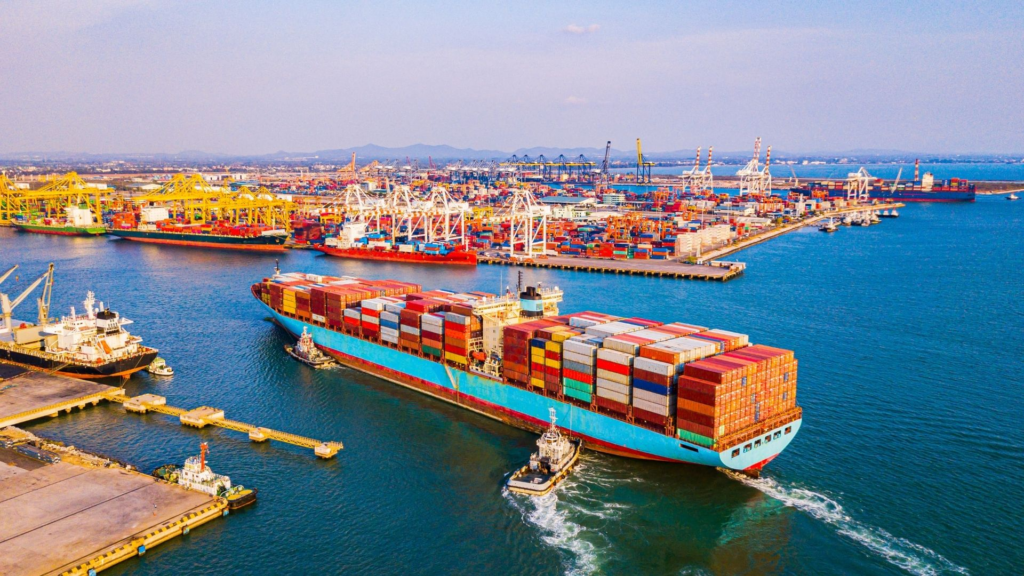
How Cross Border Logistics Companies Are Transforming E-commerce Fulfillment is not just a theory. It is what every global seller feels when delivery time, shipping cost, and tracking quality change from month to month. When logistics improves, buyers feel closer, even if parcels travel across continents.
1. Why Cross-Border Logistics Matters More Than Ever
1.1 From local orders to global customers
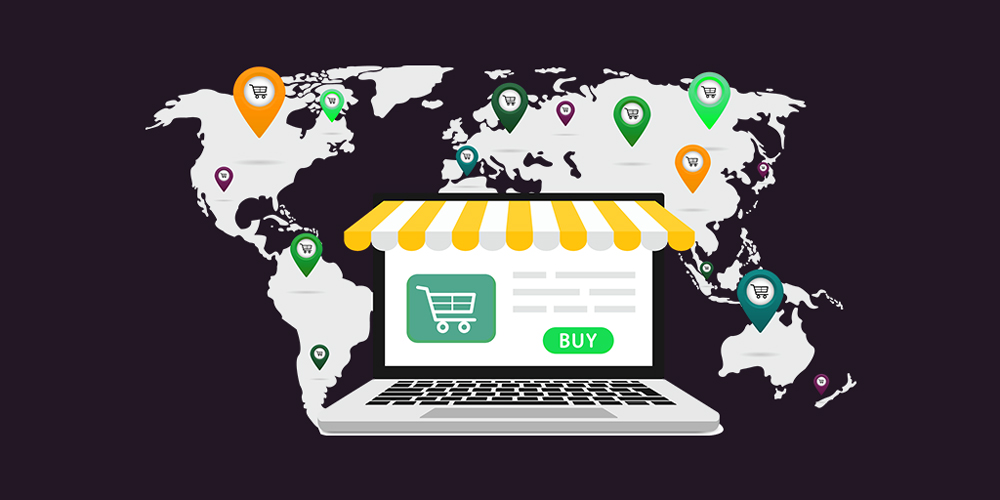
E-commerce is no longer limited by borders. A small store can:
- Sell from China to the US or EU
- Ship from multiple warehouses
- Serve both B2C and B2B customers
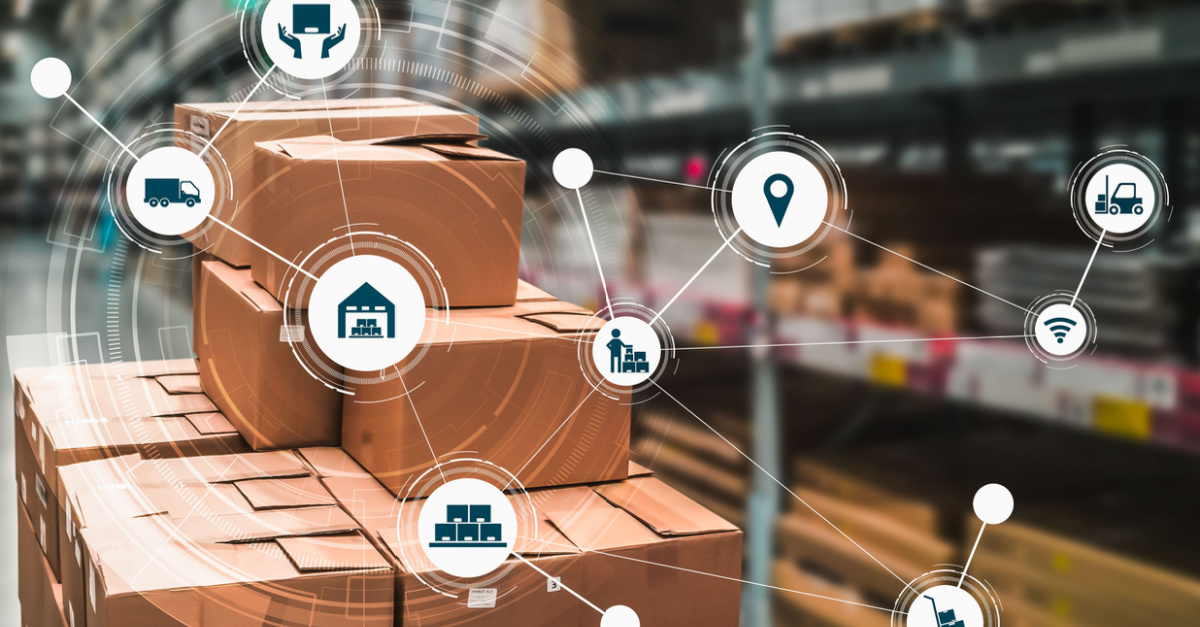
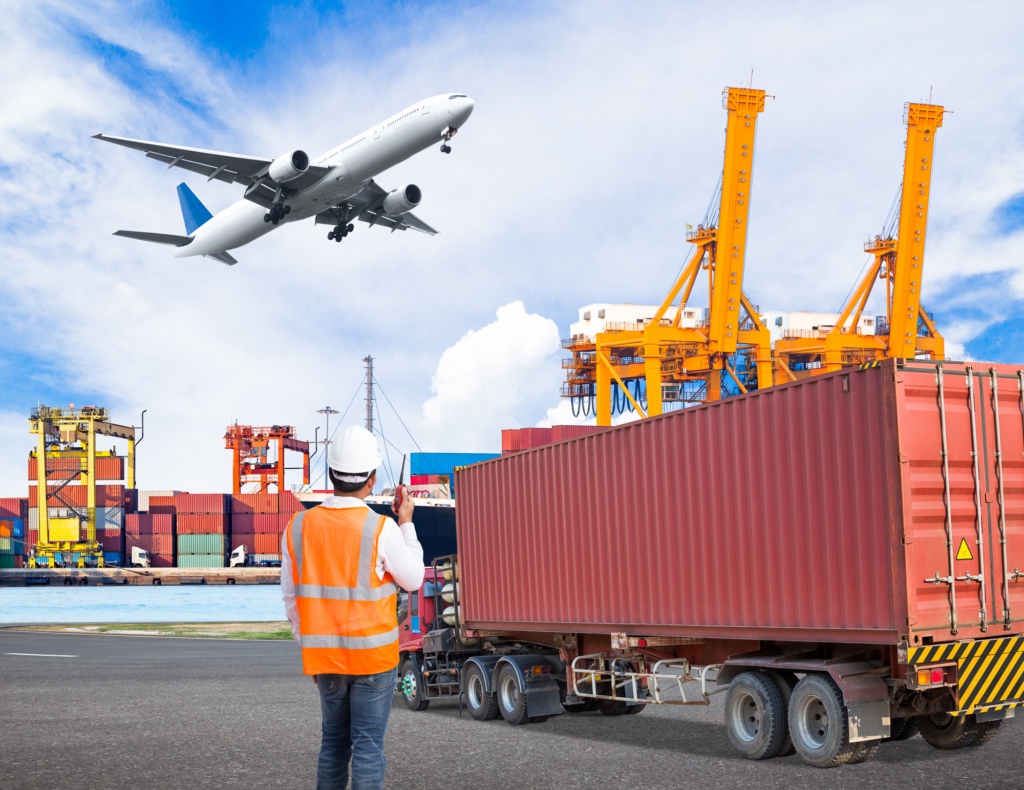
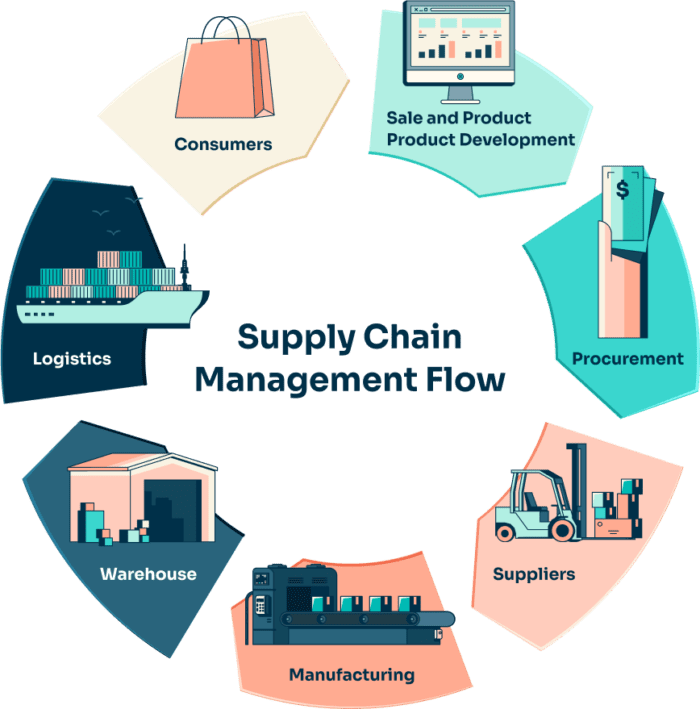
Cross border logistics companies sit between all these flows. They connect factories, platforms, warehouses, and end buyers so the experience feels almost “local” for the customer.
1.2 Old cross-border problems that hurt growth
Traditional cross-border shipping created many headaches:
- Several carrier portals and different tracking pages
- Slow and unstable transit times
- Complicated customs and tax rules
- Returns that were expensive and hard to manage
These problems increased cost per order and reduced repeat purchases. Many brands wanted to sell globally but could not manage the complexity alone.
2. How Cross Border Logistics Companies Are Transforming E-commerce Fulfillment
2.1 From single carrier to smart orchestrator
Modern players no longer act as just another carrier. They act as an orchestrator:
- Combine express, postal, line-haul, and last-mile partners
- Choose routes based on country, weight, and service level
- Switch carriers when a lane becomes risky or slow
Merchants get one platform and one contract instead of managing many separate providers.
2.2 Data-driven delivery promises

Buyers care about “When will it arrive?” more than any internal detail. New cross border logistics companies use data to answer this:
- Historic transit times by lane and service
- Seasonal delay patterns during peak periods
- Real-time exceptions such as customs checks
This data powers more accurate delivery dates on product pages and checkout. It also gives customer service a clear story when a parcel is delayed.
2.3 Integrated returns and reverse logistics
Return experience is now part of the purchase decision. Modern cross-border partners:
- Offer local return addresses or hubs
- Consolidate returns before sending them back overseas
- Connect returns data with original outbound tracking
So buyers feel safer ordering from another country, and merchants keep return costs under control.
2.4 Compliance, duties, and tax made simpler
Regulation keeps changing. Good logistics partners help merchants stay compliant by:
- Supporting correct HS codes
- Calculating duties and taxes at checkout (DDP, IOSS, VAT)
- Sending full electronic customs documents
This speeds up clearance and removes surprise fees at delivery, which often cause bad reviews.
3. What This Shift Means for Sellers and Teams
3.1 For DTC brands and small sellers

Smaller teams do not have logistics departments. For them, cross border logistics companies act as an “outsourced backbone”:
- One API or dashboard for labels and tracking
- Pre-configured routes for key lanes like CN→US or CN→EU
- Self-service tools for shipping rules and pricing
This lets them compete globally without building a big internal team.
3.2 For marketplaces and omni-channel retailers
Larger platforms use these partners to standardize experience:
- Shared SLAs for multiple sellers
- Unified labels and tracking events
- Central reporting across all countries
Logistics becomes a lever to attract both sellers and buyers.
3.3 For operations, customer service, and finance
Internally, the impact is also clear:
- Operations manage shipments through one control panel
- Customer service sees all events in one tracking timeline
- Finance gets cleaner cost reports by lane, service, and region
Decision-making becomes faster and less dependent on manual spreadsheets.
4. How PostalParcel Fits into This New Ecosystem

4.1 One platform for sourcing, consolidation, and shipping
PostalParcel reflects this new generation of cross-border platforms. For overseas users buying from China, it can:
- Connect with Taobao, 1688, and other Chinese marketplaces
- Receive parcels into one account and one warehouse
- Offer consolidation, re-packing, and basic inspection
- Ship out with multiple routes and clear price options
Users see the full path: from local Chinese purchase to international delivery.
4.2 Support for B2C, B2B, and DIY procurement
PostalParcel is not only for single retail orders. It also supports:
- B2C parcels to end consumers
- B2B replenishment for Amazon/eBay/Shopify sellers
- DIY sourcing orders and group purchases
- Flexible services such as photo check, relabeling, and simple quality control
This makes it easier for overseas buyers, small resellers, and brands to treat China as a stable supply base.
4.3 Transparent pricing and easy payments
Trust in cross-border shipping depends on price clarity. A platform like PostalParcel can provide:
- Online rate calculators before shipping
- Clear view of surcharges and service differences
- Support for Stripe, PayPal, bank cards, and local top-ups
Merchants can then plan product pricing and shipping options without guessing.
5. Practical Steps to Use Cross-Border Logistics Better
5.1 Map your current logistics picture
Start by writing down:
- Top destination countries
- Main carriers and service types you use today
- Average transit time and cost by lane
- Typical complaints: delays, tracking gaps, extra fees, or returns
This gives you a baseline to measure any improvement.
5.2 Consolidate partners around a strong platform
Rather than adding more random services, choose one or two strong cross border logistics companies that:
- Cover your key routes with multiple options
- Provide one tracking layer and one billing channel
- Offer returns and customs support
PostalParcel can act as this core platform if you work heavily with China-origin products and multi-channel demand.
5.3 Build your shipping promise on real data

Use data from your logistics partner to:
- Adjust delivery times per region and shipping tier
- Decide when to offer economy, standard, and express options
- Align marketing campaigns with lanes that can handle extra volume
Your ads and product pages become more credible when the delivery promise is realistic.
6. Closing: Turning Logistics into a Growth Tool
Cross border logistics companies are transforming e-commerce fulfillment from a painful cost center into a growth engine. With smarter routing, better data, integrated returns, and clearer pricing, global shipping becomes more predictable for both merchants and buyers.
By partnering with a platform like PostalParcel and treating logistics as a core part of the product experience, you can unlock new markets, protect your margins, and deliver a level of service that keeps customers coming back, even when every order crosses a border.

Industry Insights

news via inbox
Nulla turp dis cursus. Integer liberos euismod pretium faucibua