How Reverse Logistics Tracking Can Optimize Ecommerce Returns and Improve Customer Satisfaction
Reverse Logistics Tracking turns ecommerce returns from a stressful cost center into a controlled workflow. When you track every step of a return, you reduce disputes, speed up refunds, and keep customers confident.
Returns will always exist. But messy returns don’t have to. Clear tracking, clean milestones, and smart exceptions can make your return process feel simple for buyers and predictable for your team.
1. Why Ecommerce Returns Get Messy So Fast

Returns seem easy: customer sends the item back, you refund. Reality adds friction.
Common return problems include:
- Customers can’t see return progress
- Tracking stays “Label Created” for days
- Carrier scans arrive late or disappear
- Warehouse receives the parcel but doesn’t update status
- Refunds slow down because inspection takes too long
- Support gets flooded with “Where is my return?” tickets
These issues hurt customer experience and raise operating costs at the same time.
1.1 Why returns break trust faster than delivery delays
Late delivery is annoying. A confusing return feels risky.
Customers worry they may lose money.
So they ask:
- “Did you get my return?”
- “Why is tracking not moving?”
- “When will my refund arrive?”
With Reverse Logistics Tracking, you answer with real milestones, not vague replies.
2. What Reverse Logistics Tracking Really Covers
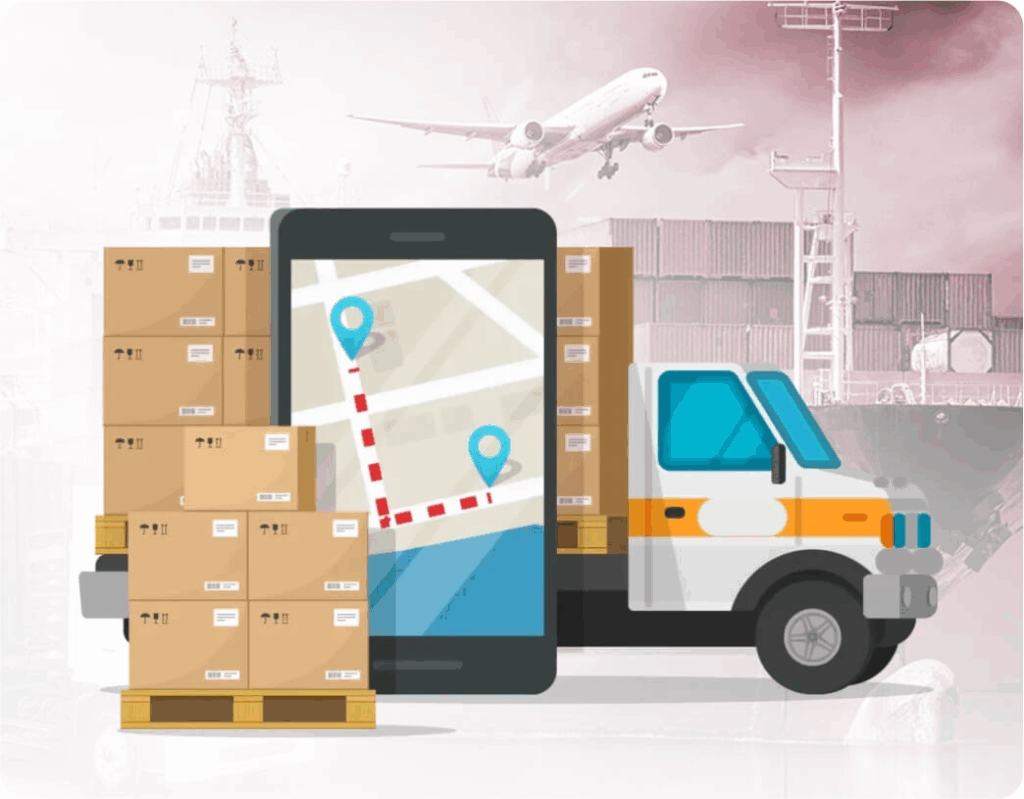
Many stores treat return tracking as “a tracking number.” That’s not enough.
Real Reverse Logistics Tracking connects return data, carrier movement, and warehouse outcomes.
You need visibility across three layers:
- Return request (why the customer returns)
- Return shipment movement (where the parcel is)
- Return processing (inspection, restock, refund)
2.1 The milestone map that reduces confusion
A solid reverse tracking flow includes steps like:
- Return requested (RMA created)
- Label generated
- Dropped off / picked up
- First carrier scan
- In transit
- Delivered to return hub/warehouse
- Received + checked-in
- Inspection complete
- Refund or exchange completed
When you miss milestones, customers feel blind. Then support tickets spike.
3. How Reverse Logistics Tracking Optimizes Returns
Good returns management is not about “being fast” only.
It is about being clear, consistent, and provable.
3.1 Fewer support tickets, lower WISMO pressure

Most return tickets repeat the same question: “Where is it?”
A clean tracking page reduces that instantly.
Your return portal should show:
- Carrier + tracking number
- Latest scan time and location
- Current milestone (ex: “In Transit”)
- Next expected step
- Refund timeline estimate
When customers see movement, they wait. When they see silence, they complain.
3.2 Faster refunds without losing control
Some stores refund too late, which hurts reviews.
Others refund too early, which invites fraud.
A smarter approach uses rules based on tracking events:
- Low-risk orders: refund after first scan
- Normal orders: refund after delivered scan
- High-value items: refund after inspection
This balances customer happiness and business safety.
3.3 Early detection for lost return packages
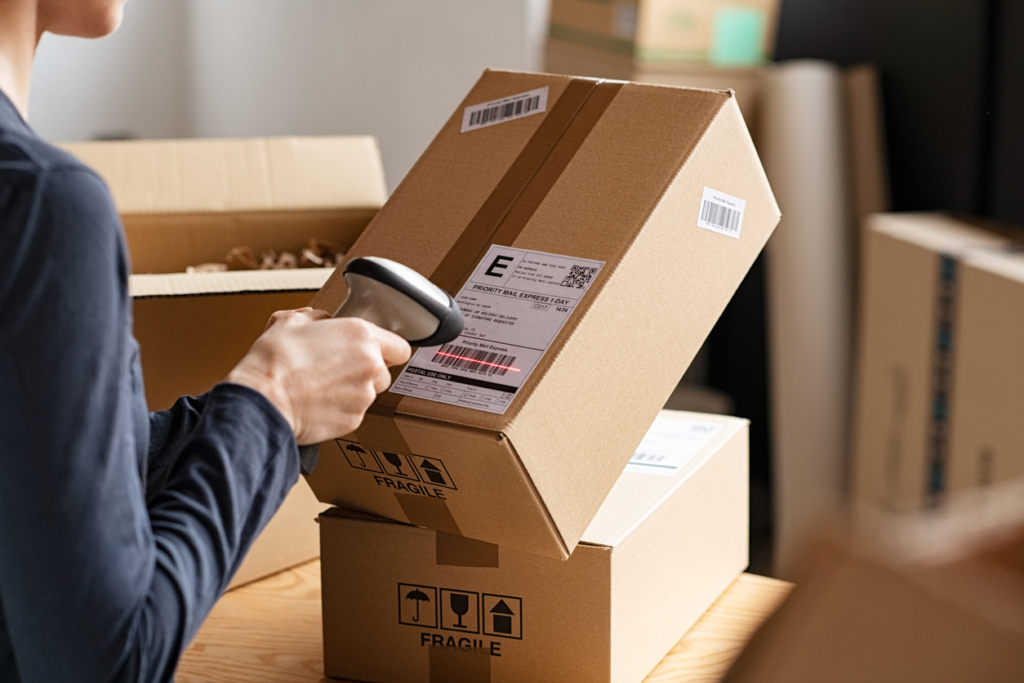
Return loss often starts with a simple signal: no first scan.
Your system should flag risk cases quickly, such as:
- Label created, no scan after 72 hours
- No movement for 5–7 days
- Delivered status, but warehouse did not check in
- Customer claims drop-off, carrier shows nothing
Once flagged, your team can act early:
- Start a carrier trace
- Request drop-off proof
- Offer a replacement for loyal buyers
- Escalate exceptions automatically
That speed prevents disputes and chargebacks.
4. Customer Satisfaction Gains You Can Measure

Customers don’t only want refunds. They want confidence.
Reverse Logistics Tracking makes the process feel safe.
4.1 Reduces anxiety after a purchase goes wrong
Returns usually happen when a buyer feels disappointed.
Your tracking experience decides whether they return later.
Clear tracking helps customers believe:
- Their return is moving
- The store is monitoring it
- The refund will happen on time
That emotional shift improves retention.
4.2 Better communication with less manual work
Support teams waste time on repetitive status updates.
Tracking milestones can answer these questions automatically.
Helpful status messages include:
- “Dropped off. First scan expected within 24–72 hours.”
- “Delivered. Inspection starts within 1 business day.”
- “Refund approved. Bank processing may take 1–3 days.”
This feels professional, and it reduces ticket volume.
5. How to Build a Strong Reverse Logistics Tracking Workflow
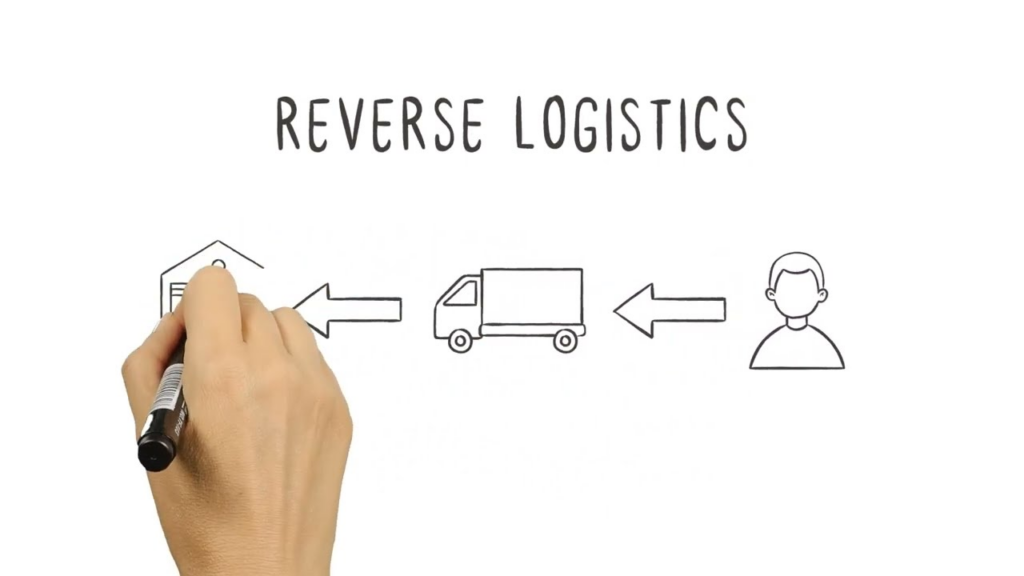
You don’t need a complex rebuild. You need a structured flow.
5.1 Start with a clean return portal experience
A good portal reduces mistakes and keeps customers calm.
Include:
- Order lookup (email + order number)
- Return reason selection
- Optional photo upload (useful for damage claims)
- Drop-off vs pickup choice
- Auto label or QR code
- Tracking link shown immediately after submission
5.2 Standardize statuses across carriers
Different carriers use different terms. That creates confusion internally.
Standardize return statuses into a small set:
- Label Created
- Dropped Off / Picked Up
- In Transit
- Delivered
- Received
- Exception
Then map every carrier scan to your standard list.
5.3 Set SLA targets for each return step
SLA timers keep the return flow predictable.
Example targets:
- First scan within 72 hours
- Transit within 3–10 days (depending on country)
- Warehouse check-in within 24 hours after delivery
- Inspection in 24–48 hours
- Refund release within 1 business day after approval
These targets give your team clear ownership.
6. Metrics That Matter for Returns Performance

Tracking data becomes valuable when you measure outcomes.
6.1 Return cycle time (request → refund)
This is the most important customer-facing metric.
Shorter cycle time usually means better reviews.
Track the timeline:
- Return created
- First scan
- Delivered
- Warehouse received
- Refund completed
6.2 First scan rate
A return without a first scan creates risk.
Improve first scan rate by:
- Clear drop-off instructions
- QR code returns where possible
- Carriers with reliable scan behavior
6.3 Exception rate
Watch exceptions like:
- No movement
- Misroute
- Delivery failure
- Warehouse mismatch
- Damaged return packaging
Lower exception rates mean fewer losses and fewer angry buyers.
7. How Postalparcel Helps Reverse Logistics Tracking

Postalparcel focuses on tracking visibility and structured logistics data.
That matters when your returns involve multiple carriers, zones, or cross-border routes.
With Reverse Logistics Tracking, Postalparcel can support teams by helping them:
- Track return milestones in one place
- Normalize tracking statuses across carriers
- Spot delays and scan gaps faster
- Improve return transparency for customers
- Reduce support workload with clearer updates
When you unify return tracking, you make refunds easier to manage and easier to explain.
8. Quick Wins You Can Apply This Week
If you want immediate improvement, start here:
- Add return tracking links to emails and order pages
- Send proactive alerts for “no scan” and “no movement”
- Standardize tracking statuses into 5–6 milestones
- Display a refund timeline estimate on the return portal
- Review top return reasons and fix product content gaps
Small updates can reduce return tickets fast.
9. FAQs

9.1 What is Reverse Logistics Tracking in ecommerce?
It tracks returns from the moment a customer requests a return until the refund or exchange finishes, including carrier and warehouse steps.
9.2 How long should a return take to show movement?
Most returns should show the first scan within 72 hours. If not, treat it as an exception.
9.3 Can tracking reduce disputes and chargebacks?
Yes. Clear tracking milestones create proof and reduce customer panic, which lowers disputes.
9.4 What should I track after delivery?
Track warehouse check-in, inspection, restock decision, and refund completion. These steps matter most to customers.
9.5 What is the biggest benefit for customer satisfaction?
Visibility. Customers feel safer when they can see progress and understand the refund timeline.
Conclusion
Reverse Logistics Tracking makes ecommerce returns easier to control, easier to explain, and easier for customers to trust. With clear milestones, proactive exception alerts, and a consistent refund timeline, you can cut support tickets, reduce return losses, and speed up the return-to-refund cycle. Most importantly, customers feel safer because they can see progress at every step. When Postalparcel helps unify tracking updates across carriers and return routes, your team gains better visibility, and buyers get a smoother returns experience that keeps them coming back.

Industry Insights

news via inbox
Nulla turp dis cursus. Integer liberos euismod pretium faucibua