What Is Real-Time Supply Chain Visibility and Why It Matters in 2026
In 2026, the world moves faster than ever before. If you run a business that sells or moves products, you already know that timing is everything. Customers expect their packages to arrive on time, every time. However, many things can go wrong between the factory and the front door. This is exactly why companies are investing so much money in new technology.
Understanding where your goods are at any moment is no longer a luxury. Instead, it has become a basic requirement for staying in business. In this guide, we will explain what this concept means in simple terms. Furthermore, we will show you why it is the most important tool for your company this year.
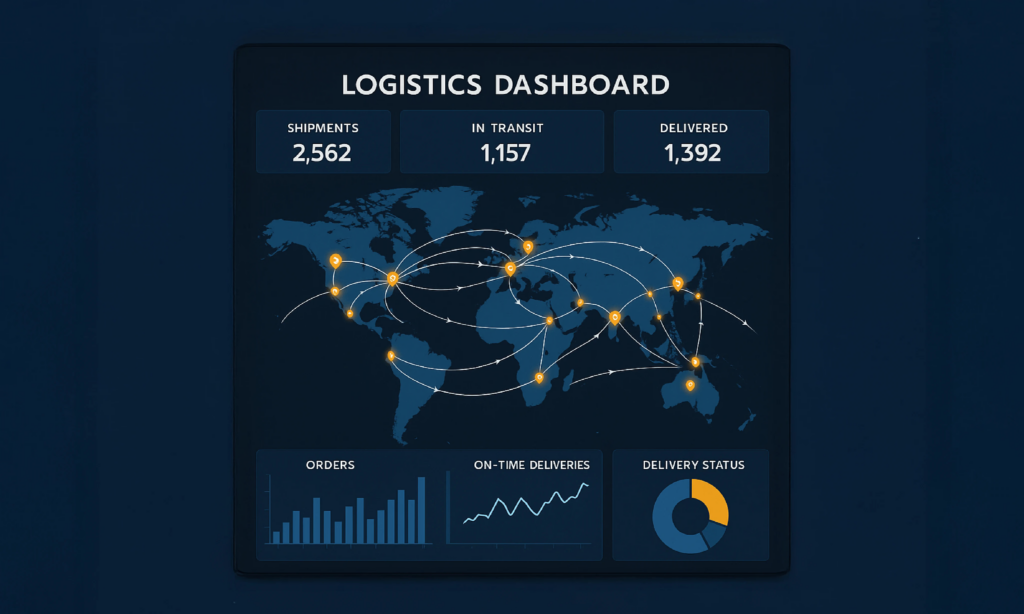
Table of Contents
1. Defining Real-Time Supply Chain Visibility
Real-time supply chain visibility refers to the ability of a company to track its products and materials instantly as they move through the network. Historically, tracking was “milestone-based,” meaning you only received an update when a package arrived at a major hub. Consequently, managers often spent days wondering where a shipment was located.
Today, technology has changed the game completely. Specifically, businesses now use digital tools to see live data. This allows them to monitor the exact location, condition, and status of every item. Therefore, “real-time” means there is no delay between an event happening and the manager seeing it on their screen.
1.1 The Shift from Reactive to Proactive
In the past, logistics managers acted only after a problem occurred. For example, they would call a carrier when a truck was already late. However, real-time supply chain visibility allows for a proactive approach. Because the data flows instantly, teams can spot a delay before it even happens.
If a ship faces a storm, the system alerts the manager immediately. Consequently, the company can change its plans right away. This shift saves time and keeps the customers happy.
1.2 Integration of Data Streams
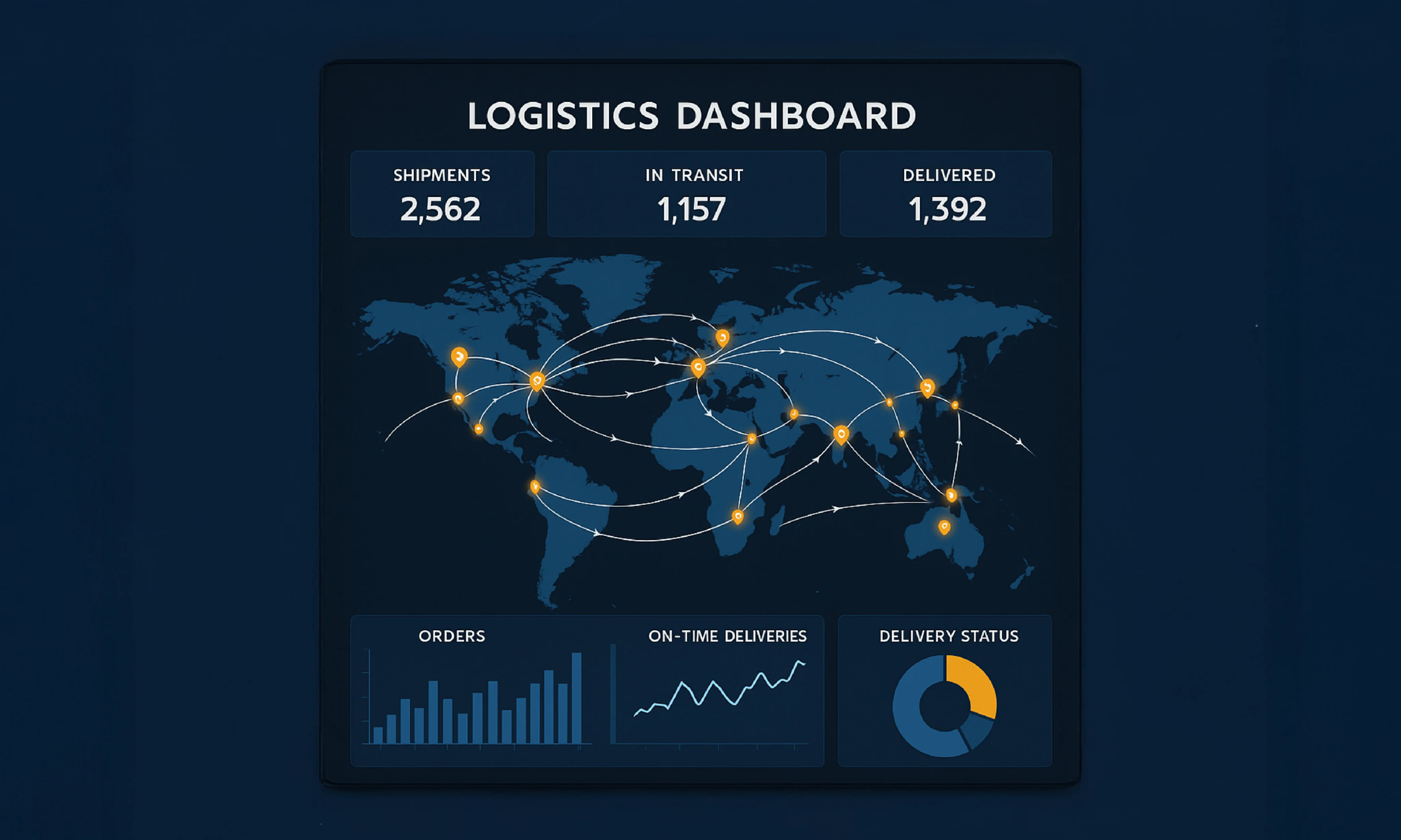
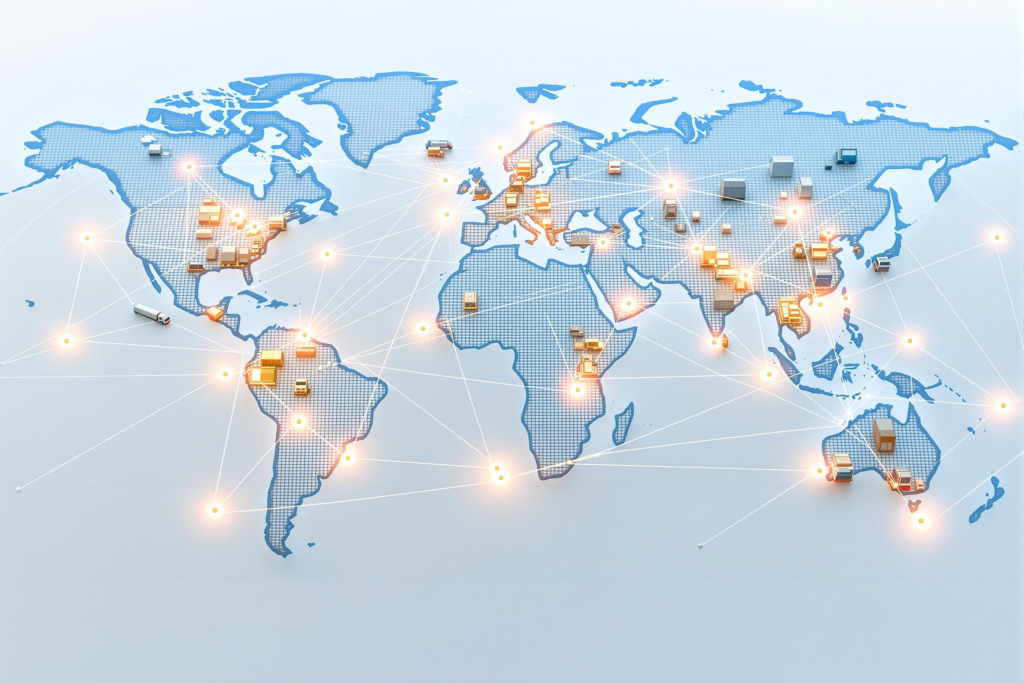
Modern visibility is not just about a map with moving dots. Additionally, it involves integrating data from many sources. This includes weather reports, traffic updates, and port congestion levels. By combining these pieces, a company creates a “digital twin” of its entire operation.
Ultimately, this integration makes the data more useful. It turns raw numbers into clear instructions for the team. Managers no longer guess; instead, they make decisions based on facts.
2. Why Visibility Is Vital in 2026
The global market has faced many challenges over the last few years. Because of geopolitical shifts and climate change, shipping routes are less predictable. Therefore, companies must find ways to handle this uncertainty. Real-time supply chain visibility provides the clarity needed to navigate these difficult times.
Without a clear view, a business is essentially driving in the dark. In contrast, having instant data acts like a powerful set of headlights. It shows you the obstacles ahead so you can avoid them safely.
2.1 Managing Global Risk and Uncertainty
Global trade routes are more fragile than they used to be. For instance, a small blockage in a major canal can stop thousands of shipments. If you have real-time supply chain visibility, you know which of your containers are affected within minutes.
Consequently, you can re-route your goods or inform your customers about the delay. This transparency builds trust, even when things go wrong. Most importantly, it prevents a small problem from turning into a total disaster.
2.2 Meeting Extreme Customer Expectations
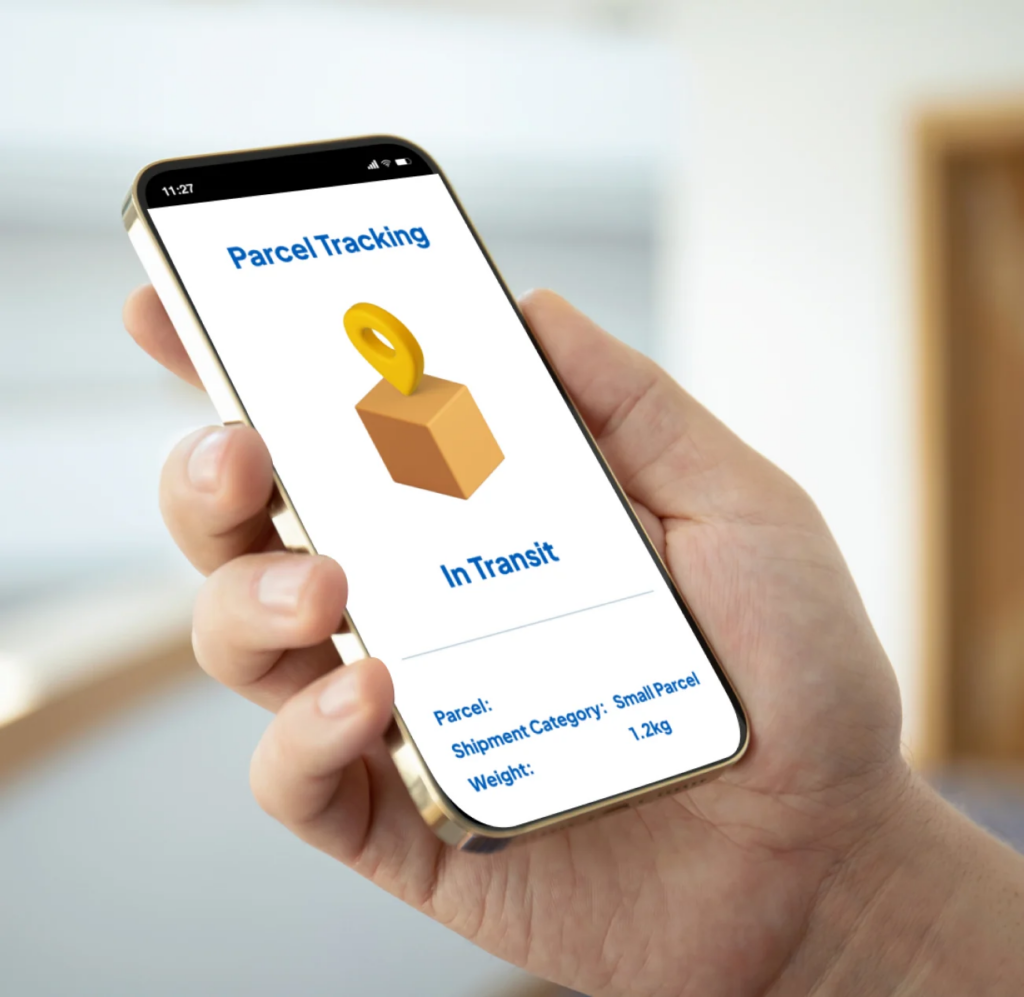
Consumers in 2026 have zero patience for “I don’t know.” They want to see exactly where their order is at 2:00 PM. Moreover, business-to-business (B2B) clients require the same level of detail to run their own factories.
Therefore, providing instant updates is a competitive advantage. If your platform shows live tracking, customers will choose you over a competitor who offers vague delivery dates. Similarly, this transparency reduces the workload for your customer service team.
2.3 Sustainability and ESG Compliance
Governments now require companies to prove their environmental and social impact. Specifically, you must show that your carbon footprint is as low as possible. Real-time supply chain visibility helps you track the fuel usage and routes of every vehicle.
By optimizing these routes, you reduce waste and lower emissions. Furthermore, visibility helps you ensure that your suppliers follow fair labor laws. In short, it helps you stay legal while protecting the planet.
3. Key Technologies Driving Transparency
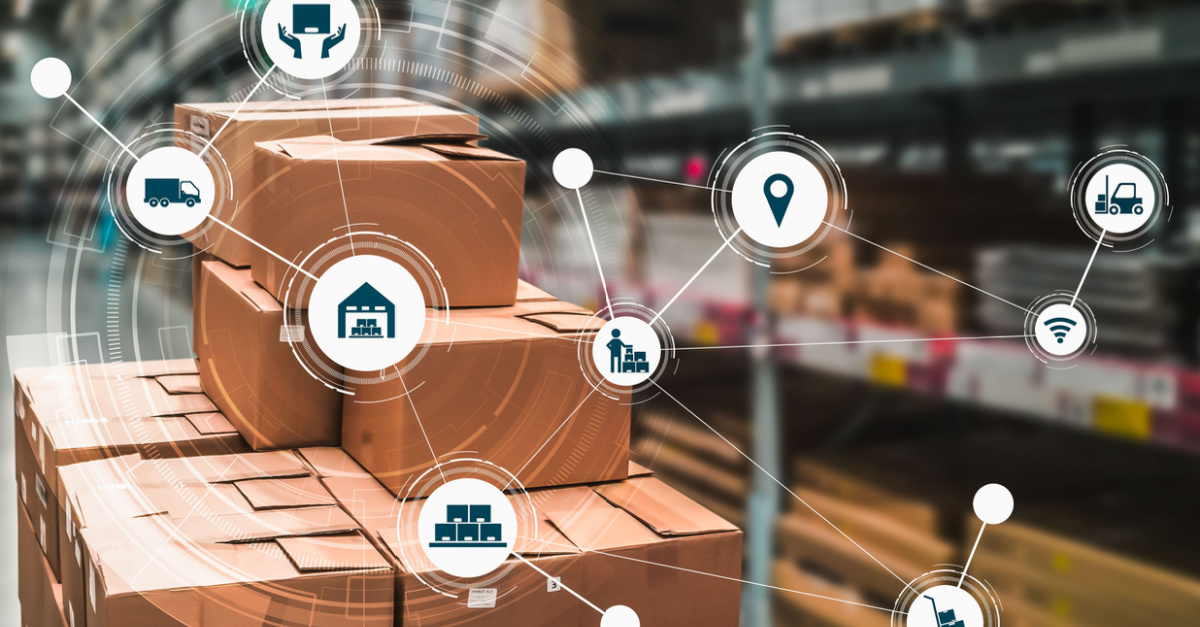
We cannot talk about real-time supply chain visibility without mentioning the “engine” behind it. Several advanced technologies work together to make this possible. Notably, these tools have become much more affordable and powerful recently.
3.1 IoT Sensors and Telematics
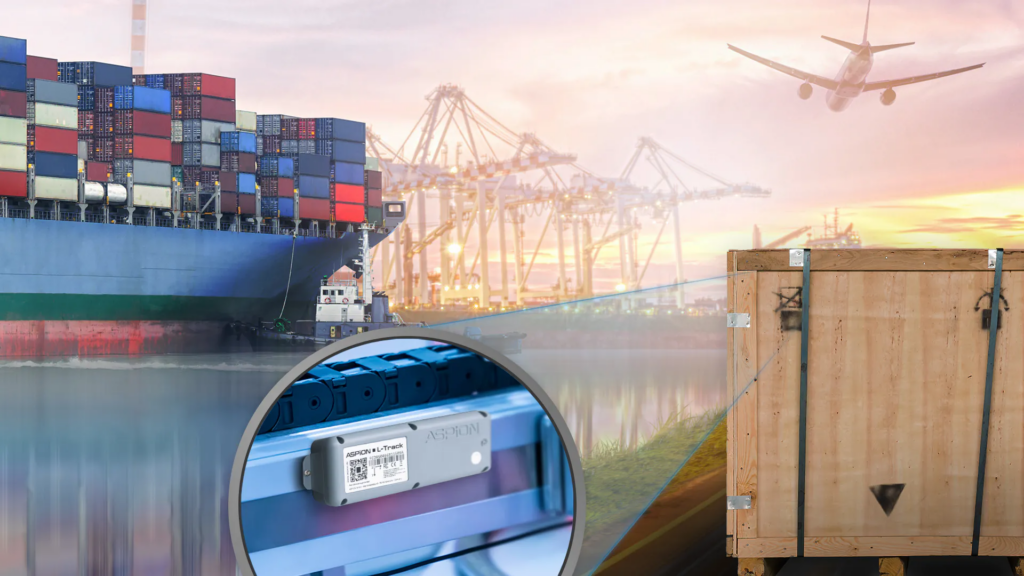
Internet of Things (IoT) sensors are the most important hardware in this process. These small devices attach to pallets, containers, or individual boxes. They send out signals via cellular or satellite networks.
- Location: They provide GPS coordinates every few seconds.
- Condition: They measure temperature, humidity, and light exposure.
- Security: They alert you if a container door opens unexpectedly.
Because these sensors are small, they can go anywhere. Consequently, you have eyes on your cargo even in the middle of the ocean.
3.2 Artificial Intelligence and Predictive Analytics
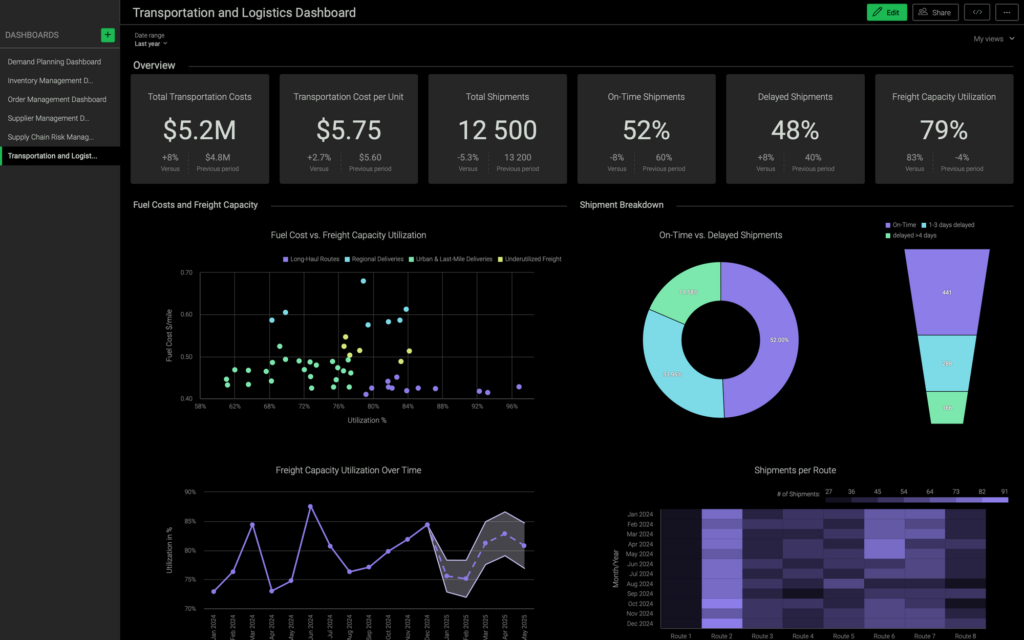
While sensors provide the data, AI provides the brain. AI algorithms analyze millions of data points to predict the future. For example, an AI might notice that a specific port always slows down on Friday afternoons.
Therefore, it will suggest that you ship your goods on Thursday instead. This predictive power is a core part of modern real-time supply chain visibility. Instead of just seeing the “now,” you start to see the “next.”
3.3 Blockchain for Secure Records
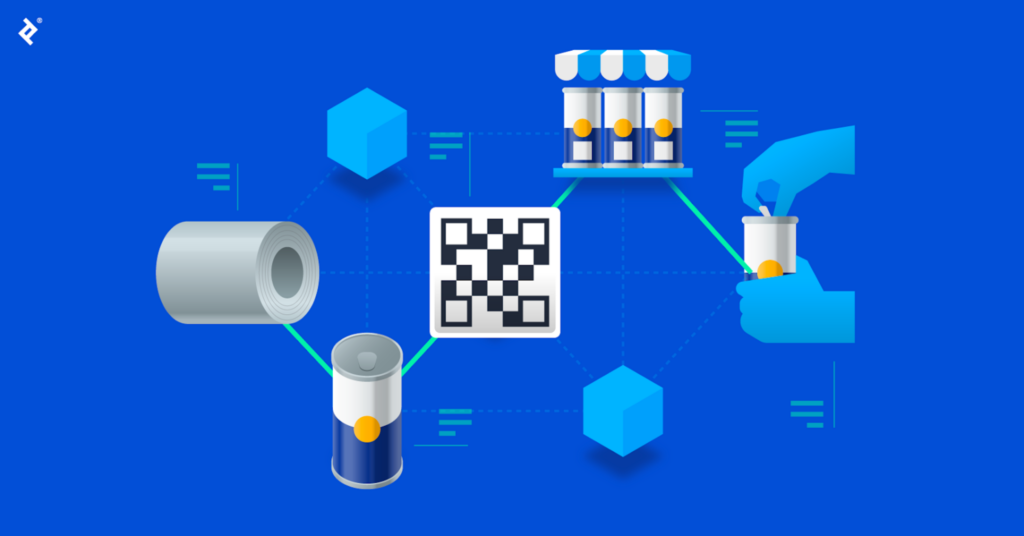
Blockchain technology creates a permanent record of every movement. Because the data cannot be changed, it prevents fraud. For instance, if a temperature-sensitive vaccine gets too warm, the blockchain records exactly when and where it happened.
This creates a high level of accountability. Similarly, it makes audits much faster. Instead of checking paper files, you simply look at the digital ledger.
4. The Tangible Benefits for Businesses
Investing in technology must show a return on investment (ROI). Fortunately, the benefits of real-time supply chain visibility show up quickly on the balance sheet. It is not just about being “high-tech”; it is about being more profitable.
4.1 Reducing Operational Costs
Invisibility is expensive. When you don’t know where a shipment is, you might order a replacement by mistake. This leads to excess inventory. However, when you have clear data, you can run a “lean” operation.
Additionally, visibility helps reduce detention and demurrage fees at ports. Because you know exactly when your container is ready, you can pick it up immediately. Therefore, you avoid paying expensive daily penalties to the shipping lines.
4.2 Improving Inventory Management
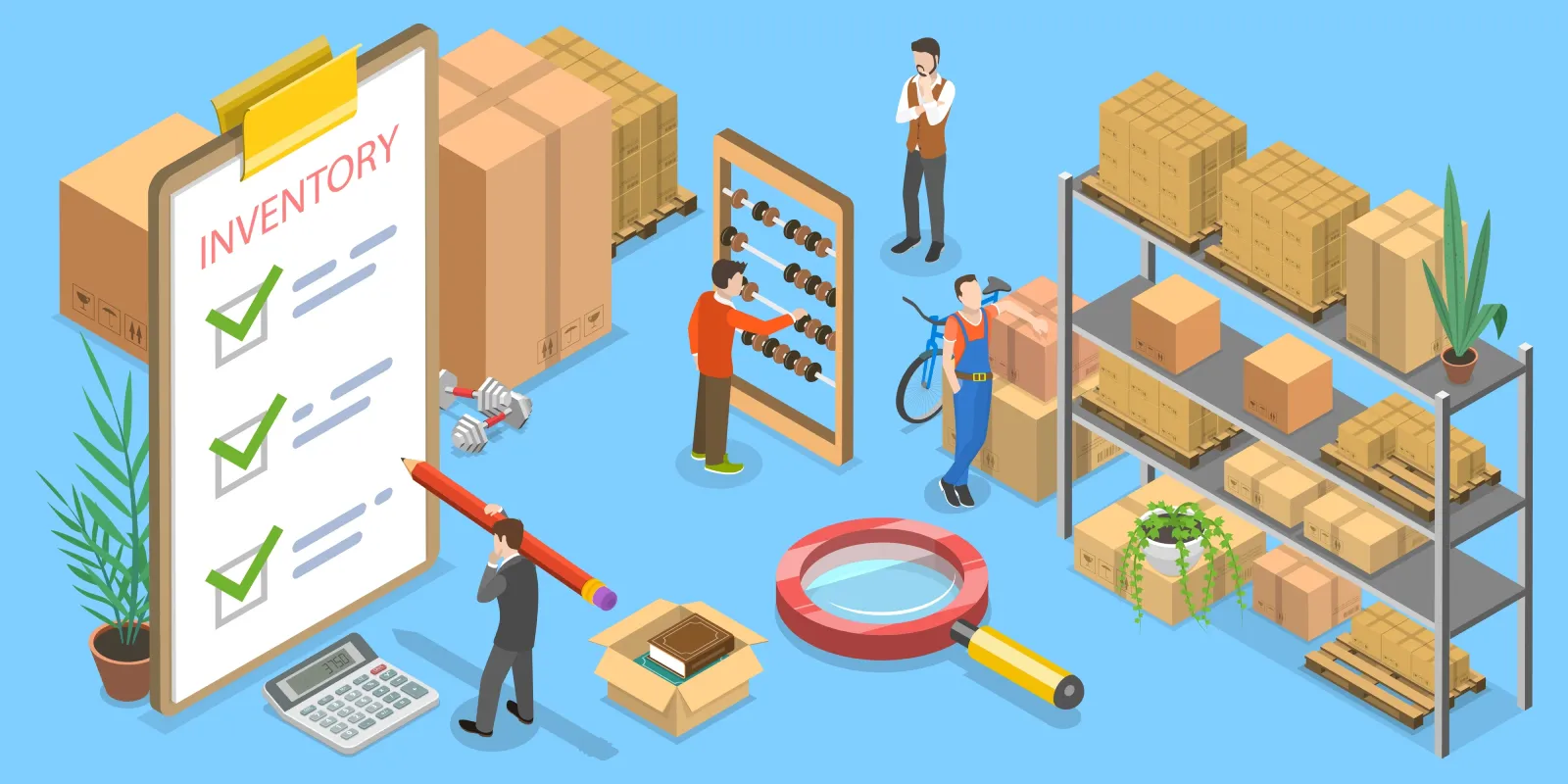
Inventory is essentially cash sitting on a shelf. If you have too much, you lose money. If you have too little, you lose sales. Real-time supply chain visibility gives you the confidence to keep just enough stock.
Since you can see exactly when the next shipment will arrive, you don’t need to keep massive “safety stocks.” Consequently, you free up cash for other parts of your business. This improved cash flow is vital for growth in 2026.
5. Challenges in Implementation
While the rewards are great, the journey is not always easy. Many companies struggle during the first phase of adoption. Specifically, they face problems with data and people.
5.1 Breaking Down Data Silos
Most companies have data, but it is stuck in different departments. For example, the warehouse uses one system while the transport team uses another. To achieve true real-time supply chain visibility, these systems must talk to each other.
This requires a central platform that can pull data from everywhere. However, setting this up takes time and careful planning. You must ensure that everyone is using the same “language” for their data.
5.2 The Cost of Integration
High-quality sensors and AI software are not free. For smaller businesses, the initial price tag can be scary. Nevertheless, you should view this as a long-term investment.
Instead of trying to track everything at once, start with your most expensive or most urgent items. As you see the savings, you can expand the system. Ultimately, the cost of not having visibility is usually much higher than the cost of the technology.
6. How to Get Started
If you are ready to improve your operations, you need a clear plan. Do not try to change everything overnight. Instead, follow these simple steps to build your real-time supply chain visibility strategy.
- Identify Your Weak Spots: Where do you lose the most money or get the most complaints? Start your tracking there.
- Choose the Right Partners: Work with carriers and software providers who value data transparency.
- Invest in a Unified Platform: Pick a software that can combine GPS data, weather, and warehouse info on one screen.
- Train Your Team: Make sure your managers know how to use the data to make fast decisions.
By focusing on these areas, you will quickly see a difference. Your team will feel more in control, and your customers will notice the improvement.
FAQ
FAQ 1: How does visibility reduce shipping costs?
Answer: It helps you avoid extra fees like port storage penalties. Additionally, it allows you to optimize routes so your trucks use less fuel and take less time.
FAQ 2: Is real-time tracking expensive for small businesses?
Answer: While there are initial costs, many modern software providers offer “pay-as-you-go” models. This makes real-time supply chain visibility accessible even for smaller companies.
FAQ 3: Can I track shipments across different carriers?
Answer: Yes, modern visibility platforms can pull data from many different shipping companies and airlines into one single dashboard.
FAQ 4: Does visibility help with sustainability goals?
Answer: Definitely. By choosing shorter routes and reducing empty truck miles, you significantly lower your company’s carbon emissions and waste.
FAQ 5: What is the difference between tracking and visibility?
Answer: Tracking tells you where an item is. Real-time supply chain visibility tells you where it is, what condition it’s in, and when it will actually arrive based on live data.
Conclusion
In summary, real-time supply chain visibility is the most powerful tool for any modern business. It removes the mystery from logistics and replaces it with clear, actionable data. Because the world in 2026 is so fast and unpredictable, you need this technology to stay ahead. It protects your profits, keeps your customers happy, and helps the planet. If you haven’t started your journey toward total transparency yet, now is the time to act. Your future success depends on your ability to see clearly.

Industry Insights

news via inbox
Nulla turp dis cursus. Integer liberos euismod pretium faucibua