
The Difference Between Supply Chain Tracking and Real-Time Visibility
Moving goods from one place to another is a big job. In the past, companies just wanted to know if a package arrived. Today, businesses need to know much more than that. Many people use the terms Supply Chain Tracking and visibility interchangeably, but they are different. This blog explains these differences in simple ways. We will look at how technology helps you see your products better.

Table of Contents
1. Understanding the Basics of Location Data
1.1 What is Traditional Supply Chain Tracking?
Supply Chain Tracking is a basic method used to follow goods. It usually tells you where a product was at a specific time. For example, when a worker scans a barcode at a warehouse, the system updates. However, this information is often old by the time you see it. It works like a digital breadcrumb trail that shows the past. Therefore, you only know where the item was, not where it is right now.
1.2 The Evolution into Real-Time Visibility
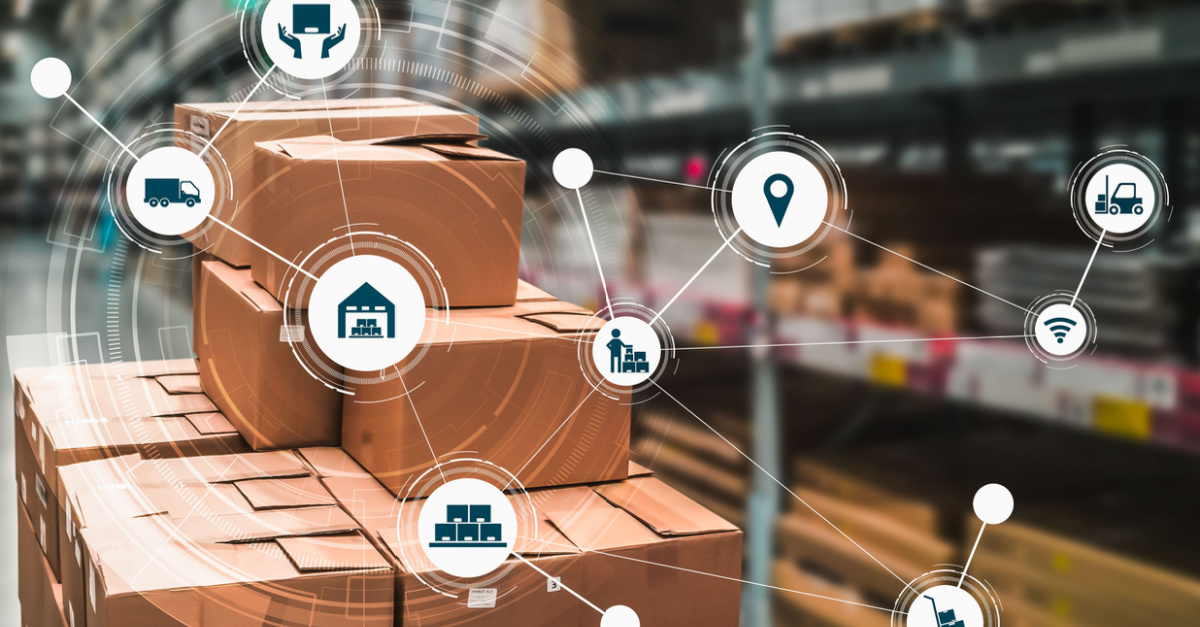
Visibility goes much deeper than simple tracking. It provides a constant stream of data about your shipments. Instead of waiting for a scan, sensors send updates every few seconds. Consequently, managers can see the exact speed and route of a truck. This technology removes the “blind spots” found in older systems. It transforms data from a history lesson into a live tool for making choices.

2. Key Technical Differences You Should Know
2.1 Static Milestones vs. Continuous Data
Tracking relies on milestones or check-ins. You only get information when a package reaches a certain point, like a port or a hub. On the other hand, visibility offers a continuous flow of information. Specifically, it uses GPS and cellular signals to maintain a live connection. This means you do not have to wait for someone to scan a label to find your cargo.
2.2 Reactive Solutions vs. Proactive Planning
Because tracking data is often delayed, companies can only react to problems after they happen. If a shipment is late, you find out after the deadline passes. Visibility allows for proactive planning. For instance, if a ship slows down due to a storm, the system alerts you immediately. Therefore, you can call your customers and change your plans before a crisis occurs.
2.3 Manual Entry vs. Automated Sensors
Traditional Supply Chain Tracking often requires a human to press a button or scan a code. Human error can lead to wrong data or missed updates. Modern visibility systems use automated sensors and IoT devices. These tools work without human help, making the data more accurate. Automation ensures that the information stays reliable throughout the entire journey.

3. How Visibility Benefits Business Operations
3.1 Improving Inventory Management
When you see exactly where your materials are, you do not need to keep extra “safety stock.” Overstocking warehouses costs a lot of money and takes up space. Visibility helps you time your deliveries perfectly. This “just-in-time” approach keeps your shelves full without wasting resources. Notably, this efficiency leads to better cash flow for the whole company.
3.2 Enhancing Customer Satisfaction
Modern customers want to know the status of their orders at all times. They do not like waiting for days without an update. Providing a live map or a precise delivery window builds trust. Specifically, it reduces the number of support tickets and angry phone calls. Happy customers are more likely to return and buy from you again.
3.3 Reducing Transportation Costs
Visibility tools help drivers find the best routes to avoid traffic or construction. Less time spent idling in traffic means lower fuel costs. Additionally, the system can identify which shipping partners are the most efficient. By choosing the best routes and partners, businesses save thousands of dollars every year. Efficiency is the best way to protect your profit margins.
4. Why Condition Monitoring Matters
4.1 Tracking the Environment, Not Just Location
Standard Supply Chain Tracking does not tell you if your goods are safe. Visibility systems often include sensors for temperature and humidity. This is vital for shipping food, flowers, or medicine. If a refrigerated truck breaks down, the sensor sends an alert immediately. Consequently, the driver can fix the issue before the products spoil.

4.2 Preventing Theft and Damage
Smart sensors can detect if someone opens a container door unexpectedly. They can also feel if a package suffers a hard impact or a fall. This level of detail helps companies identify exactly where damage occurred. It makes it much easier to file insurance claims or hold partners accountable. High visibility keeps your expensive cargo safe from start to finish.
5. Integrating Visibility into Your Strategy
5.1 Choosing the Right Software Platform
Not all digital tools are equal. You need a platform that can talk to your existing warehouse systems. A good dashboard should be easy for your team to read and understand. Look for features like automated alerts and detailed reporting. Specifically, the software should turn complex data into simple, actionable steps for your managers.
5.2 Training Your Team for Digital Success
Technology is only helpful if people know how to use it. Your logistics team needs to understand how to read live data maps. They must learn how to respond to automated alerts quickly. Investing in training ensures that you get the most value from your new tools. A well-trained team is the backbone of a high-tech supply chain.
6. FAQ: Tracking and Visibility Explained
Is tracking the same as visibility?
Answer: No, tracking shows you past locations through scans, while visibility shows you live movement and status.
Do I need special hardware for visibility?
Answer: Yes, you usually need IoT sensors or GPS devices attached to your pallets or vehicles to get live data.
Does visibility help small businesses?
Answer: Absolutely, it helps small brands compete with giants by reducing waste and providing better customer service.
Can visibility prevent shipping delays?
Answer: It cannot stop a storm, but it allows you to see the delay early and change your route to save time.
Is Supply Chain Tracking still useful?
Answer: Yes, it is a good starting point for very simple shipments, but it is not enough for complex global logistics.
Conclusion
Understanding the world of logistics is easier when you know the right terms. Supply Chain Tracking tells you where things were in the past. Real-time visibility shows you where things are right now. Choosing the right tool depends on your business goals. Most modern companies find that visibility provides the best value. It makes your work faster, safer, and much more efficient. We hope this guide helps you choose the best path for your products. Thank you for reading, and we wish you success with your future shipments!

Industry Insights

news via inbox
Nulla turp dis cursus. Integer liberos euismod pretium faucibua