Black Friday Playbook: Using 4PL for Big-Event Logistics
Black Friday Playbook: Using 4PL for Big-Event Logistics is not just a topic name. It is a survival plan for brands that suddenly move ten times their normal order volume and still want happy customers.
Why Black Friday Logistics Breaks So Easily

Black Friday does not grow your business in a smooth line. It creates sharp peaks.
- Orders rush in during a few days.
- Customers expect fast shipping and clear tracking.
- Marketing teams keep pushing new offers while warehouses are already full.
Classic 3PL setups focus on one warehouse and a small group of carriers. That works on normal days. During big events, though, you need a higher layer that can see all partners and make quick decisions. This is where a 4PL model becomes useful.
What 4PL Adds During Peak Season
One control tower
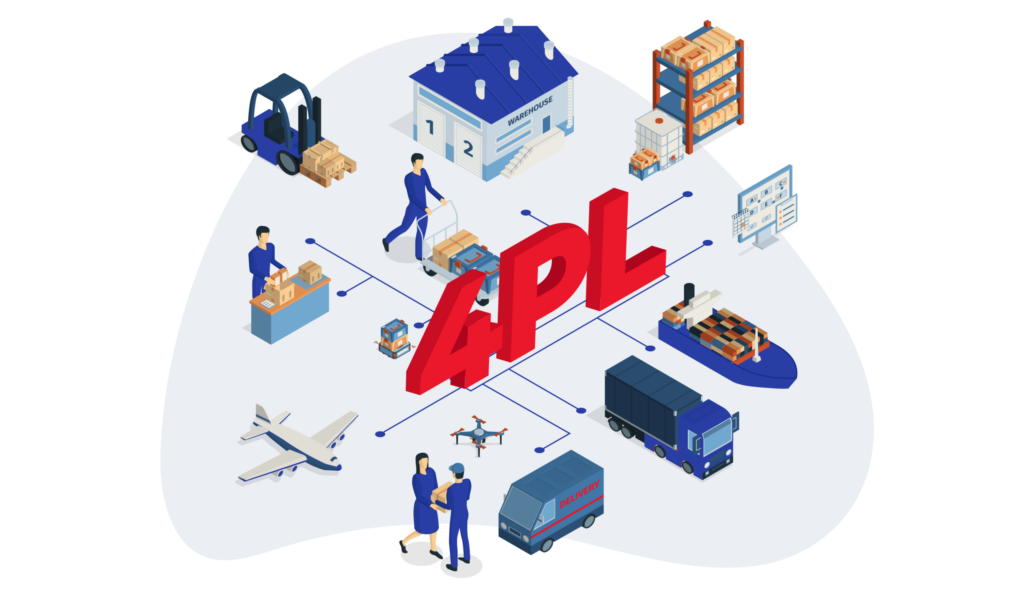
A 4PL acts as a control tower above your warehouses and carriers. Your team and the 4PL share one view of:
- Order volume by country and channel
- Remaining capacity per warehouse
- Performance of each carrier lane
You no longer email three people to ask where a parcel is. You open one dashboard and act.
Scenario planning, not guesswork
An experienced 4PL has data from many brands and routes. With that, you can:
- Simulate order spikes for each region
- Decide how much safety stock to place in different hubs
- Prepare backup carriers and lanes before you need them
So when a main carrier slows down, you already know the second option and the rule for switching.
Built-in reverse logistics
Black Friday always creates a second wave: returns. 4PL design includes reverse flows from the start:
- Standard return addresses per market
- Clear paths for restock, refurbish, or disposal
- Tracking for both outbound and inbound parcels
Customers feel that your brand is organised even when they send items back.
Pre-Event 4PL Playbook
Set shared goals and limits
First, you and your 4PL must agree on a few simple numbers:
- Maximum orders per day you can ship while still meeting promises
- Priority markets and sales channels
- Acceptable lead times for each region
These limits shape every later decision. They also protect your team from “just push more” pressure when capacity is already full.
Plan stock and location
Next, your 4PL team helps decide where inventory should live:
- Place fast movers close to demand rather than in one central warehouse
- Use regional hubs for Europe, North America, or Middle East if your sales justify it
- Set rules for moving stock between hubs when one region sells out faster
Shorter distances mean faster delivery and less customs risk, which matters a lot during gift season.
Design routing rules
A good 4PL does not simply add more carriers. It builds routing logic:
- Primary and backup carriers per country and weight band
- Clear price vs. speed choices for each product category
- Rules that switch carriers automatically when service levels drop
These rules go into the platform, so every order follows them without manual editing.
Stress-test systems before the sale
Your 4PL can help run peak-day tests:
- Fake high-volume order imports to see how your OMS and WMS behave
- Label printing and manifest creation at full speed
- API tests with marketplaces and payment tools
Small failures then show up in October, not on Black Friday night.
Live Black Friday Control with 4PL
Run a joint “war room”
During the main sale days, both sides should work like one team:
- Shared live dashboard with order intake, backlog, and on-time rate
- Short stand-up calls once or twice a day
- Clear playbook for pausing slow lanes, changing cut-off times, or shifting stock
Instead of panic, you follow a script that you already tested.
Communicate with real data
Customer support needs simple messages. Your 4PL feeds them real numbers:
- Updated delivery estimates for each country
- Clear last-order times for Christmas delivery
- Lists of affected regions when delays appear
Support can then update website banners, FAQ pages, and email templates in minutes.
After Black Friday: Returns and Learning
Treat returns as a planned flow
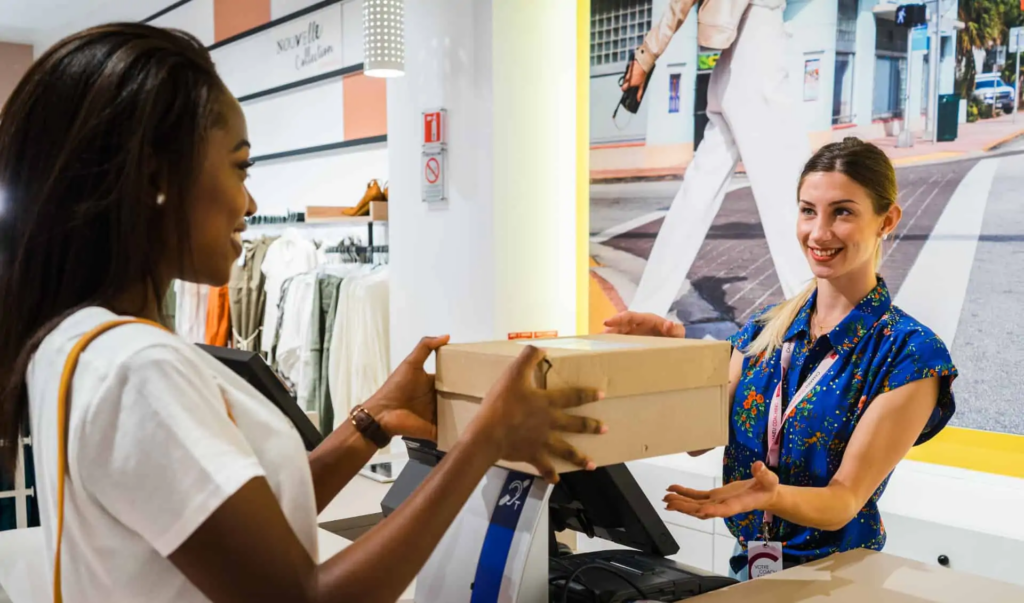
Once the sale ends, returns start. The 4PL playbook should include:
- Ready-made return labels or QR codes
- Nearest drop-off options for each market
- Automatic triggers for refunds or store credit
This calm process turns a risky moment into a chance to build trust.
Use data to improve next year
After the dust settles, you and your 4PL review:
- Which warehouses hit capacity first
- Which carriers kept their promises and which failed
- Which SKUs generated most returns and why
Then you adjust stock levels, product pages, and carrier mix. Next year’s Black Friday becomes easier, not harder.
How PostalParcel Fits This Black Friday Playbook
PostalParcel focuses on cross-border and multi-carrier 4PL services. That means you can:
- Ship from China to key markets with one control tower
- Use several carriers while keeping a single tracking and reporting layer
- Mix B2C parcel flows and B2B replenishment without losing visibility
Your team handles offers, creatives, and customer care. PostalParcel handles routing, capacity balancing, and real-time tracking. By centralizing these operational layers, brands gain a more predictable logistics rhythm, better control over transportation risks, and the confidence to scale promotions without fearing sudden bottlenecks or hidden delays.
A clear Black Friday playbook with 4PL support turns big-event logistics from a dangerous gamble into a repeatable routine. With each season, you gain more data, better scenarios, and smoother operations. The insight gathered from every cycle also strengthens forecasting, enabling smarter demand planning, optimized inventory staging, and a higher success rate for flash campaigns or influencer-driven spikes.
Conclusion
Black Friday will always be intense, but it does not have to be messy. A clear playbook and a strong 4PL partner turn peak season into a process you can repeat and improve every year. When PostalParcel handles routing, tracking, and carrier coordination, your team can focus on great offers and customer experience. The result is simple: fewer surprises in the warehouse, more delivered orders on time, and a stronger brand going into the next big event. Customers enjoy faster, more transparent delivery, while your internal team benefits from reduced pressure and greater operational clarity—setting the stage for continuous growth across upcoming seasons.

Industry Insights

news via inbox
Nulla turp dis cursus. Integer liberos euismod pretium faucibua