Cold Chain Made Easier: How 4PL Manages Temperature Control
Cold chain logistics becomes much easier when a 4PL takes responsibility for temperature control from end to end. Instead of chasing different carriers, warehouses, and tracking links, you work with one partner and one platform that keeps sensitive goods within range and on schedule. This is especially useful for food, pharma, and any product that loses value the moment the temperature drifts.
Below is a clear, practical view of how a 4PL model, supported by a platform like PostalParcel, can turn cold chain from a daily stress point into a managed, repeatable process.
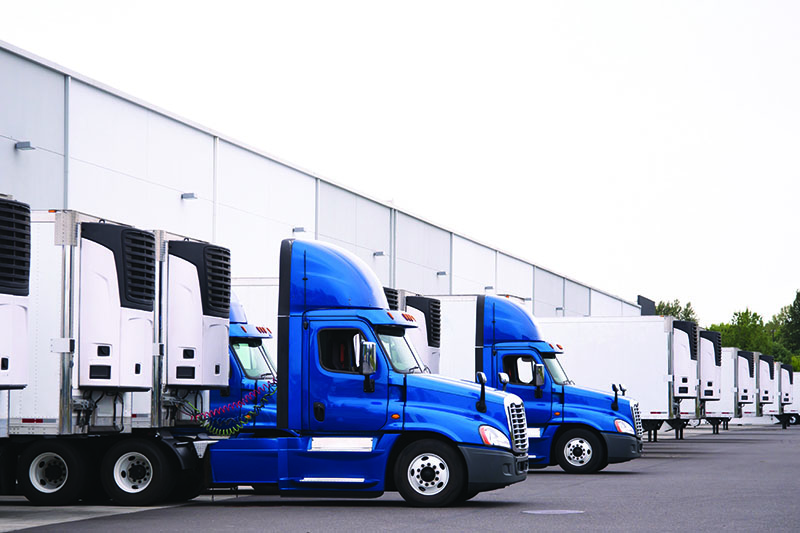
1. Why Cold Chain Logistics Feels So Difficult
1.1 Tight temperature windows
Many cold chain products have very narrow ranges:
- Frozen items need deep-freeze conditions
- Fresh meat and dairy must stay just above zero
- Vaccines and biologics often require 2–8°C
A short break in that range can harm quality even if cartons still look perfect. The real risk is invisible, hidden inside the box. Without reliable data, you only discover the problem when a customer complains or a batch fails inspection.
1.2 Many handoffs and blind spots
One cold chain shipment may pass through:
- Production site or processing plant
- Origin cold warehouse
- First-mile pickup
- Line-haul or air freight
- Destination hub and storage
- Last-mile delivery to the receiver
Every handoff adds risk. A door left open, a pallet parked in a warm area, or a customs delay can break the cold chain. When you work with separate providers, nobody owns the full picture. You receive fragments of information but not a complete story.
2. What 4PL Really Means for Cold Chain Logistics
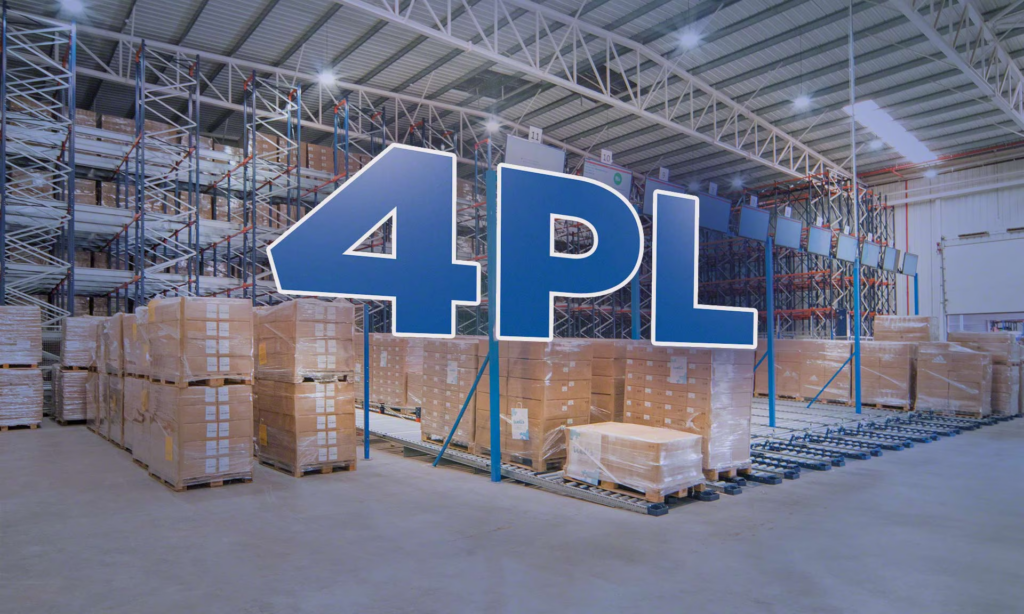
2.1 From single provider to control tower
A 3PL usually runs a warehouse or transport leg. A 4PL acts as a control tower that:
- Designs the full end-to-end cold chain logistics
- Selects and manages multiple 3PLs and carriers
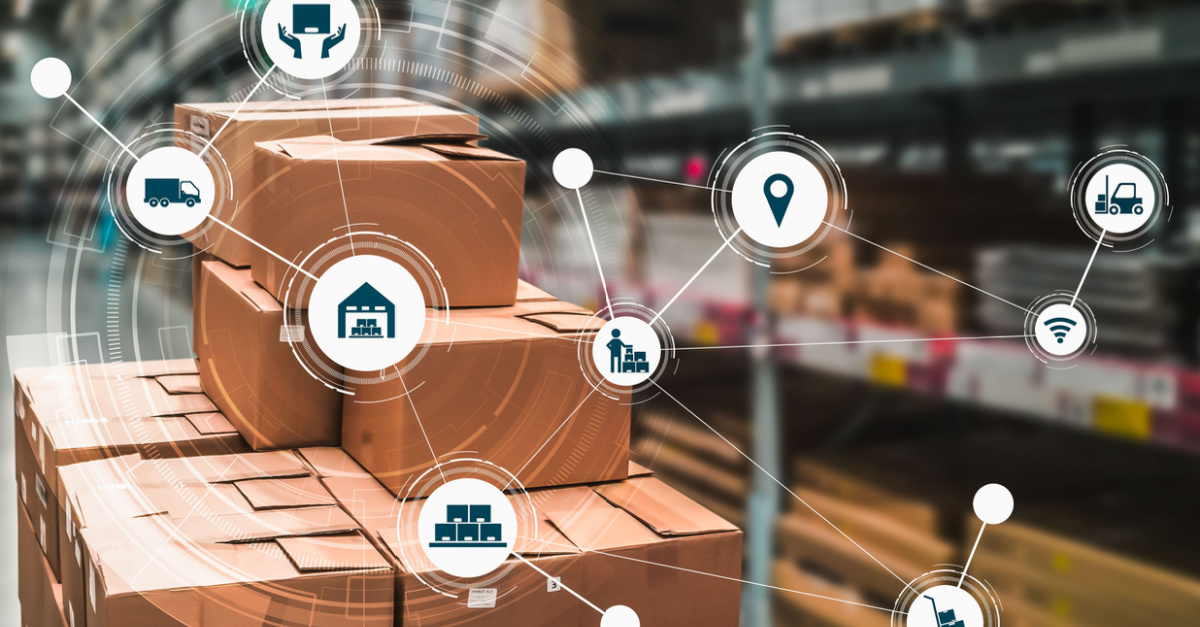
- Integrates tracking, IoT sensor data, and warehouse systems
- Monitors temperature and events in one platform
So instead of asking “Which carrier has the update?”, you look at one dashboard. The 4PL coordinates partners and takes responsibility for the performance of the whole chain.
2.2 How 4PL differs from classic 3PL
A 3PL delivers storage or transport capacity. A 4PL delivers orchestration:
- Network design, not just routes
- Standard operating procedures across partners
- Common KPIs for service, temperature, and on-time delivery
- Continuous improvement based on data
This shift is crucial in cold chain. You do not just need a truck with a fridge. You need a connected design that keeps the right temperature from origin to final delivery.
3. Designing a 4PL Temperature Controlled Network
3.1 Mapping products, lanes, and risk
A 4PL starts by mapping your situation:
- Product type, shelf life, and allowed temperature range
- Origin and destination pairs
- Transit time limits and seasonality
- Regulatory requirements for each country
Then the 4PL chooses:
- Which hubs and routes are suitable for cold chain logistics
- Which partners have proven cold facilities and trained staff
- Where to add time buffers to handle delays without breaking the cold chain
This design stage lets you balance cost and risk. Sometimes a slightly higher price for a more stable lane is worth it, because you avoid expensive product loss.
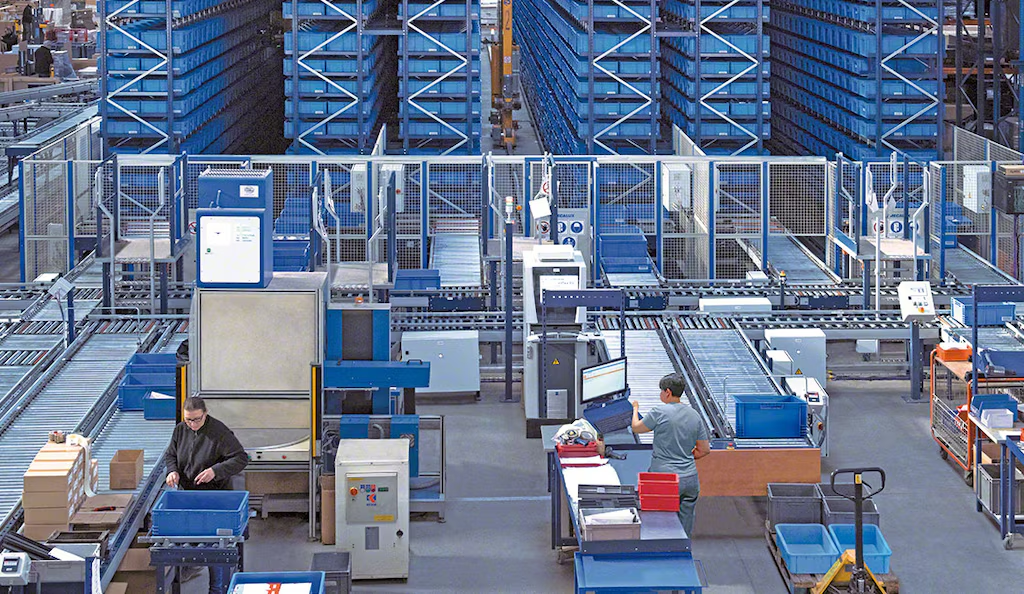
3.2 Packaging, modes, and safety margins
Cold chain logistics control also depends on packaging choices:
- Insulated boxes and pallet covers
- Gel packs or dry ice
- Active vs. passive cooling containers
A 4PL helps you test and compare options on real lanes. You might discover that a cheaper box works on short routes but fails on longer ones. With that insight, you can set clear packaging rules for each lane and product.
4. Real-Time Temperature Monitoring with 4PL
4.1 Using IoT data, not paper logs
Old-style cold chain often relies on paper logs or basic data at departure and arrival. By the time you see a problem, the shipment is already gone. A 4PL-driven model uses IoT instead:
- Data loggers inside boxes or pallets
- GPS and GSM devices on containers or trucks
- Integration with reefer units and warehouse sensors
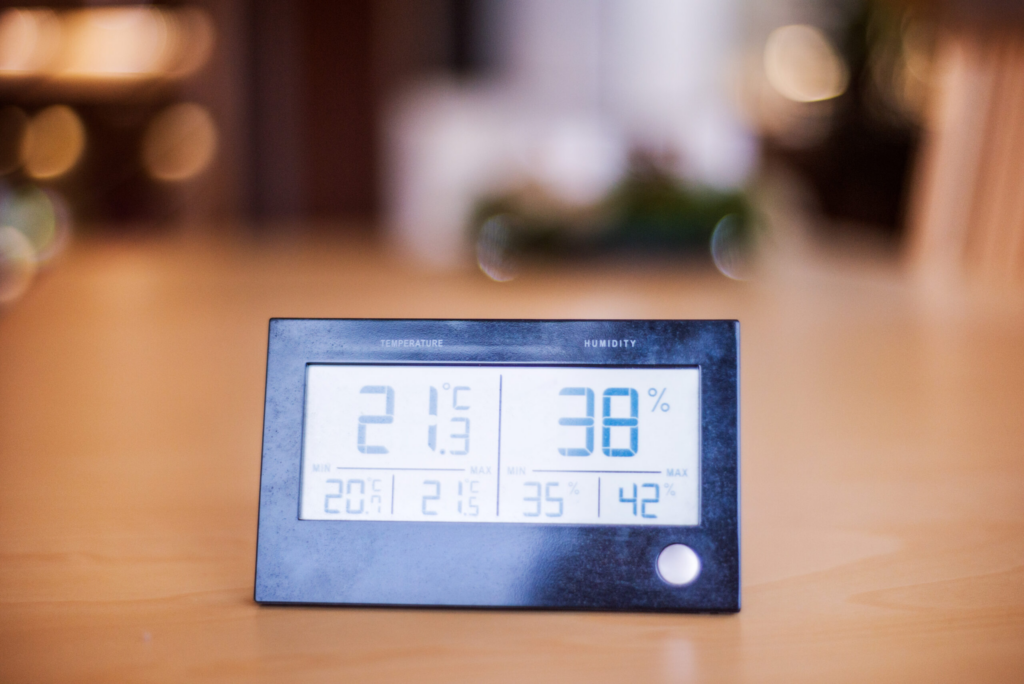
These devices feed temperature, location, and event data into one platform. You can see which shipments are stable, which are trending toward a limit, and which lanes cause repeated issues.
4.2 Alerts and playbooks
Live data is useful, but alerts and actions make it powerful. A cold chain 4PL sets:
- Warning thresholds (for example, temperature close to the upper limit)
- Alarm thresholds (when the range is broken)
- Clear playbooks for what to do when each threshold is reached
For example, if a pallet sits too long at a hot dock, the system alerts the hub, the 4PL control tower, and your team. The playbook may say: move to a cold room immediately, check packaging, and decide whether to continue, re-pack, or quarantine. You move from reactive damage control to structured incident management.
5. Managing Risk, Incidents, and Compliance
5.1 Response plans when something goes wrong
Even a good design cannot remove every risk. Weather, strikes, or customs inspections still happen. The difference with a 4PL is that you prepare backup plans:
- Alternative routes and carriers
- Extra reefer vehicles during peak periods
- Agreements with local cold storage partners
- Rules on when to stop a shipment and when to continue
Because the 4PL sees all lanes and partners, it can also re-route other shipments to reduce further congestion and protect remaining capacity.
5.2 Audit-ready records and reporting
Food and pharma cold chains come with strict regulations. Auditors often ask for:
- Temperature history for selected shipments
- Proof of corrective actions when limits were exceeded
- Records of training and SOPs
A 4PL platform can store this data with clear links between events and actions. When you need to show evidence, you download structured reports instead of searching through emails and screenshots. This not only reduces risk but also builds trust with customers.
6. How PostalParcel as 4PL Makes Cold Chain Easier
6.1 One platform and one team
A solution like PostalParcel brings the 4PL idea into a single interface. Your team can:
- Track cold chain shipments across multiple carriers
- See temperature and location data together
- Receive alerts for delays or temperature risks
- Communicate with the 4PL operations team instead of many separate providers
As a result, your internal staff spend less time chasing updates and more time making decisions based on reliable information.
6.2 Scaling new markets without new warehouses
Growing into new regions usually means new partners and facilities. That can be risky when you handle cold chain goods. With a 4PL platform, you can:
- Plug into existing partner networks that already support temperature-controlled logistics
- Reuse proven SOPs and monitoring setups
- Roll out new lanes faster while still keeping control
You expand your reach but keep a central view of performance, risk, and cost.
7. Key Takeaway
Cold chain logistics will always be sensitive, but it does not have to feel chaotic. A 4PL model turns a scattered network into a coordinated system with clear design, real-time monitoring, and structured response plans. When you combine that with a platform like PostalParcel, you gain one control tower for temperature control, partners, and performance.
The result is simple: fewer surprises, less product loss, and a cold chain you can explain and defend to customers, regulators, and your own team.
Industry Insights

news via inbox
Nulla turp dis cursus. Integer liberos euismod pretium faucibua