
How 4PL Boosts Cross-Border Delivery Speed Without Extra Warehouses
4PL boosts cross-border delivery speed by combining technology, data integration, and network optimization instead of adding more warehouses. For logistics teams trying to move international parcels faster, this model delivers better control and visibility without heavy infrastructure investment. Platforms like PostalParcel show how 4PL makes global delivery faster and smarter through system-level coordination rather than physical expansion.
Understanding 4PL and Why It Matters
What 4PL Really Does
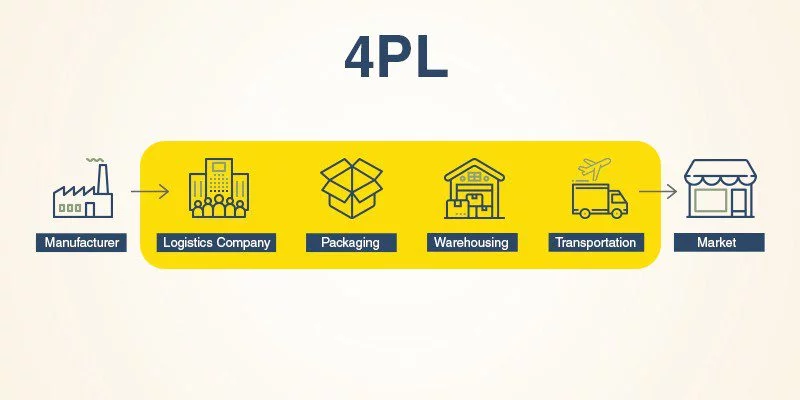
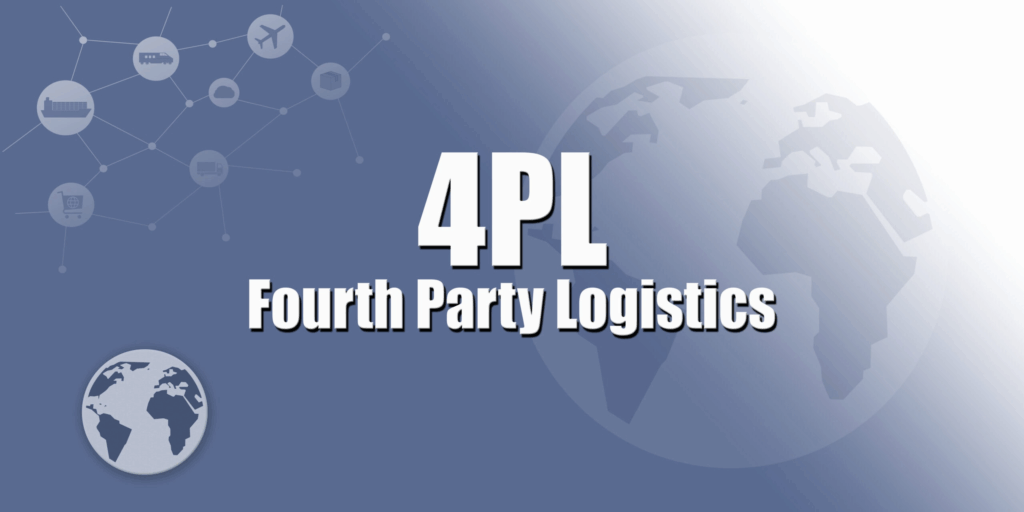
A 4PL (Fourth-Party Logistics provider) acts as a strategic orchestrator. Unlike 3PLs that handle transport or storage directly, a 4PL connects multiple carriers, warehouses, and customs systems into one intelligent network. Its core value lies in data visibility, real-time tracking, and flexible decision-making.
Instead of managing packages through one warehouse or one carrier, a 4PL platform coordinates several partners. It analyzes performance, compares transit times, and chooses the fastest or most reliable routes for each shipment.
Why Faster Cross-border Delivery No Longer Means More Warehouses
Traditional logistics logic said: “to ship faster, build more warehouses.” But global ecommerce changed that rule. Cross-border networks today depend more on data coordination than on physical expansion. With a 4PL model, brands can accelerate Cross-border delivery without investing in expensive local hubs.
By using centralized data, predictive routing, and smart partner selection, parcels can move through existing networks as efficiently as local ones.
Key Ways 4PL Speeds Up Cross-Border Delivery
1. Dynamic Carrier Selection
A major advantage of 4PL is that it compares carriers in real time. If one route slows due to weather or customs delays, the system can automatically switch to a faster alternative.
For example:
- A parcel from China to Germany might move faster through a different air freight provider on short notice.
- PostalParcel’s 4PL network continuously updates carrier performance data, letting the system pick the most reliable route for every order.
This flexibility avoids the bottleneck that single-carrier logistics often face.
2. Intelligent Route Optimization
4PL systems use predictive analytics to map the fastest and safest routes before shipping even starts. Instead of static route plans, the system calculates based on live data—traffic, customs clearance time, and flight availability.
- Predictive algorithms spot congested airports or over-capacity lanes early.
- AI adjusts routing decisions automatically to maintain on-time delivery.
- It reduces idle time between transport legs, keeping parcels in motion almost continuously.
With this approach, brands can achieve same-level speed as regional distribution centers—without building them.
3. Centralized Visibility and Real-Time Tracking
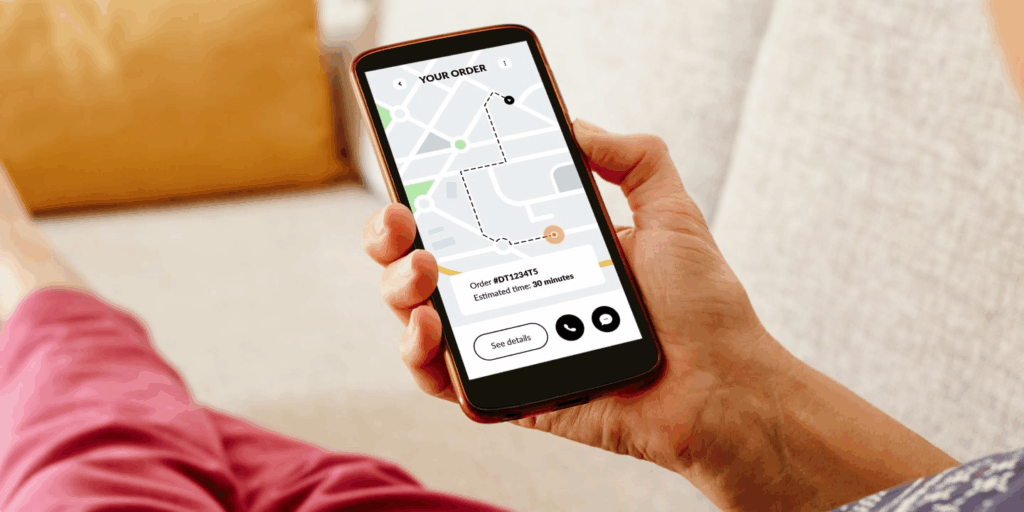
Traditional logistics often involve multiple systems and blind spots. A 4PL platform provides one control dashboard where every parcel’s journey is visible.
PostalParcel’s 4PL platform integrates:
- Carrier data (air, sea, road)
- Customs clearance progress
- Delivery partner updates
This complete visibility helps teams act fast when a delay appears. They can communicate with carriers immediately, reroute shipments, or pre-clear customs documents before the parcel arrives.
4. Predictive Customs Clearance
Customs clearance is the biggest slowdown in cross-border logistics. A 4PL system cuts this delay through data preparation and digital pre-clearance.
Instead of waiting for manual inspection:
- The system shares parcel data with customs agencies before arrival.
- HS codes, product descriptions, and tax info are verified automatically.
- Clearance approval happens faster because documents are already validated.
By automating these steps, parcels move through customs like domestic shipments.
5. Smart Consolidation Instead of Extra Warehouses

4PL models also use virtual consolidation—grouping multiple orders logically rather than physically. For example:
- Orders heading to similar destinations are bundled under one air waybill.
- Once they arrive, last-mile partners distribute them locally.
This keeps costs low while preserving speed. It’s like having a “digital warehouse” without building one.
How Technology Replaces Infrastructure
API Integration Across Partners
Modern 4PL systems depend on strong data connections. PostalParcel’s platform integrates APIs from:
- Airlines and freight forwarders
- Customs systems and warehouses
- E-commerce stores and ERP systems
These integrations let data move instantly between parties, cutting hours of manual updates and emails.
AI and Predictive Analytics
AI tools help forecast shipping demand, carrier capacity, and customs timing. They learn from patterns:
- If a certain route is often delayed on weekends, the system avoids it.
- If an airport clears specific product categories faster, it prioritizes that path.
Such data-driven routing achieves faster results than simply adding more facilities.
Control Tower Model
The 4PL “control tower” gives logistics managers an end-to-end view of the entire supply chain. They can monitor all regions, carriers, and performance metrics on one dashboard.
This setup allows fast decisions—rerouting, priority shipping, or exception handling—without needing new physical hubs in every market.
Real Benefits for Cross-Border Businesses
Faster Delivery at Lower Cost
A 4PL model increases speed without expanding warehouse space. This reduces operating expenses and risk, while improving delivery time and customer satisfaction.
Better Transparency and Reliability
Buyers today expect to track every stage of delivery. 4PL platforms give both businesses and consumers real-time data, ensuring trust and fewer “where is my parcel” complaints.
Simplified Management

Instead of managing multiple contracts and systems, companies handle all through a single 4PL platform. It’s easier to measure performance, negotiate pricing, and plan future expansion.
Scalable for Peak Seasons
During high-demand times—like Black Friday or Singles’ Day—4PL systems automatically allocate shipments to the fastest available routes. No extra warehouse investment is needed to handle the surge.
Why PostalParcel Uses a 4PL Model
PostalParcel applies 4PL logic to make international delivery more efficient:
- Integrated carriers across air, rail, and sea
- Dynamic route adjustment based on real-time performance
- Pre-clearance and smart documentation for customs
- Consolidation hubs that act as virtual warehouses
As a result, parcels move faster from origin to destination while maintaining low cost. PostalParcel’s 4PL platform turns global shipping into a connected, data-driven process instead of a chain of isolated steps.
How Businesses Can Transition to 4PL
Step 1: Connect Systems
Start by linking your order, warehouse, and carrier data into a single platform. The faster you integrate, the easier 4PL automation becomes.
Step 2: Analyze Route Performance
Use data to understand which regions or carriers cause delays. A 4PL provider can compare this performance across networks and suggest faster combinations.
Step 3: Automate Customs Documents
Digitize invoices, product codes, and declarations. Pre-clearance automation saves days during cross-border transitions.
Step 4: Adopt Predictive Monitoring
Once data flows smoothly, predictive monitoring can detect risks before they happen—bad weather, customs backlog, or flight congestion—and redirect shipments early.
Step 5: Scale Without Building Warehouses
As your order volume grows, your 4PL system scales automatically. It uses digital coordination instead of new real estate, keeping your logistics lean and flexible.
The New Standard of Global Delivery
4PL shows that logistics speed no longer depends on the number of warehouses a company owns. With smart orchestration, transparent data, and connected carriers, cross-border shipping can move as fast as local delivery.
PostalParcel continues to refine this model, proving that technology—not physical expansion—is the key to faster, more reliable global delivery.

Industry Insights

news via inbox
Nulla turp dis cursus. Integer liberos euismod pretium faucibua