Formate und Arten von internationalen Sendungsverfolgungsnummern: Unterschiede zwischen USPS, DHL und FedEx
Ein Paket in die ganze Welt zu schicken, kann einem schon ein wenig Angst machen. Sie möchten jederzeit genau wissen, wo sich Ihr Paket befindet. Aus diesem Grund verwendet jedes große Versandunternehmen eine spezielle Reihe von Zahlen und Buchstaben. Wir nennen dies eine internationale Kontrollnummer. Er funktioniert wie ein digitaler Reisepass für Ihre Waren.
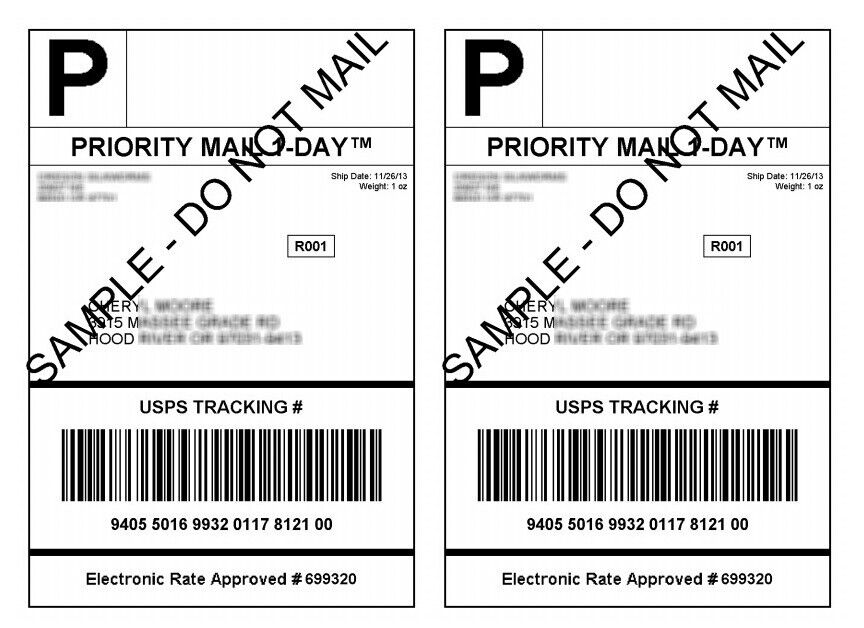
Allerdings verwendet nicht jedes Unternehmen den gleichen Stil. Wenn Sie sich ein Etikett von USPS, Er sieht ganz anders aus als einer von FedEx oder DHL. In diesem Leitfaden zeigen wir Ihnen, wie Sie diese Codes lesen können. Außerdem erfahren Sie, wie Sie sie auseinanderhalten können, damit Sie nie wieder verwirrt werden.
Inhaltsverzeichnis
1. Der globale Standard für Tracking-Formate
Die meisten Menschen wissen nicht, dass es ein weltweites System für die Post gibt. Der Weltpostverein (UPU) hat ein spezielles Format geschaffen, dem viele nationale Postämter folgen. Dieser Standard hilft den verschiedenen Ländern, miteinander zu kommunizieren. Wenn ein Paket von den USA nach Frankreich geht, müssen die Systeme den Code erkennen.
Im Allgemeinen bestehen diese Standardcodes aus 13 Zeichen. Sie beginnen mit zwei Buchstaben, gefolgt von neun Zahlen und enden mit zwei weiteren Buchstaben. Ein Code könnte zum Beispiel so aussehen: “EE123456789US”. Anhand dieser Struktur weiß der Postbeamte genau, für welche Art von Dienstleistung Sie bezahlt haben.
1.1 Zum Verständnis der S10-Norm
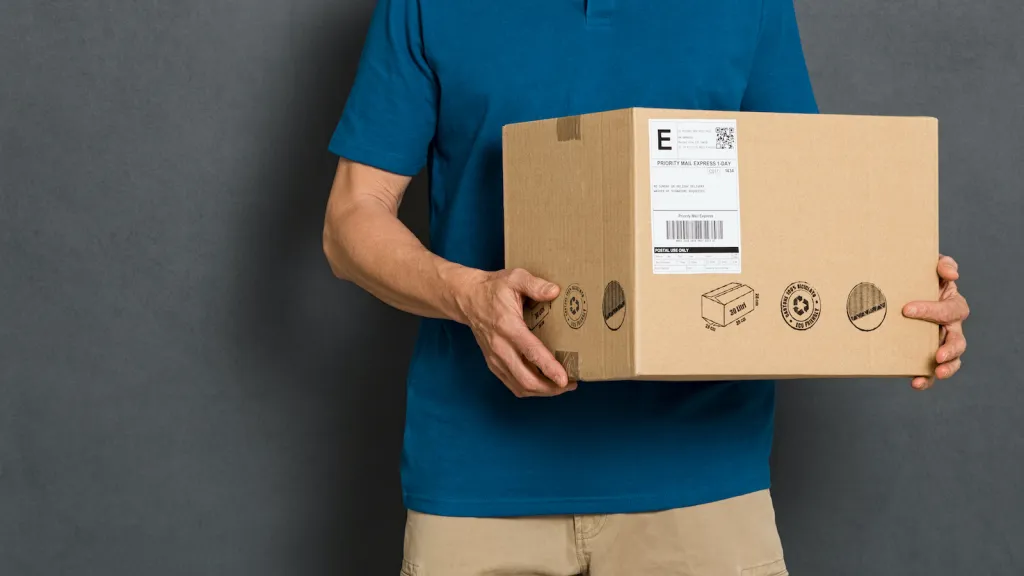
Der Weltpostverein bezeichnet dieses spezielle 13-Zeichen-Layout als den S10-Standard. Der erste Buchstabe gibt in der Regel die Art der Sendung an. Zum Beispiel steht “R” für Einschreiben, während “E” für Express steht. Wenn also Ihr internationale Kontrollnummer mit “C” beginnt, handelt es sich wahrscheinlich um ein Standard-Paket.
1.2 Die Rolle der Ländercodes
Die letzten beiden Buchstaben sind sehr wichtig. Sie stehen für das Land, in dem das Paket seine Reise begonnen hat. “US” bedeutet, dass es aus den Vereinigten Staaten kam, und “GB” weist auf Großbritannien hin. Daher können Sie den Ursprung eines Pakets allein anhand des Endes der Zeichenkette feststellen.
2. USPS Internationale Sendungsverfolgung Formate
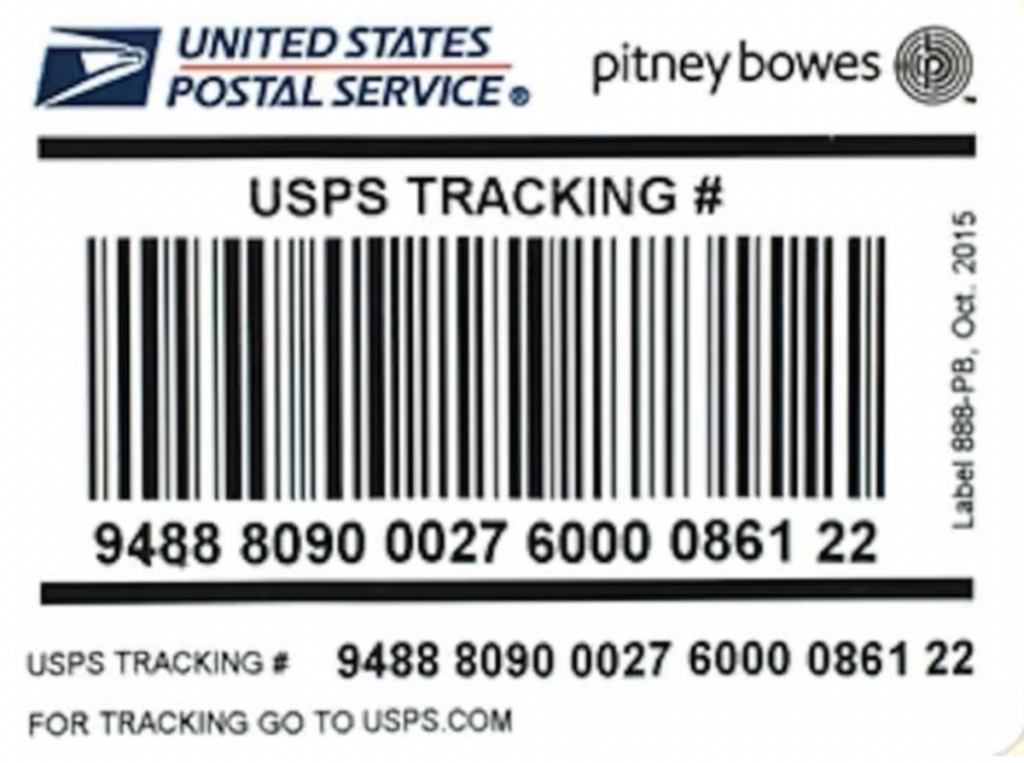
Der United States Postal Service (USPS) hält sich bei den meisten internationalen Sendungen streng an die UPU-Standards. Da sie mit lokalen Postämtern in anderen Ländern zusammenarbeiten, müssen sie kompatibel bleiben. Wenn Sie USPS verwenden, muss Ihr internationale Kontrollnummer wird fast immer das 13-Zeichen-Aussehen haben.
Der von Ihnen gewählte Dienst ändert jedoch das Präfix. Global Express Guaranteed wird anders gehandhabt als First-Class Package International. Wenn Sie diese Nuancen verstehen, können Sie Ihre Erwartungen hinsichtlich der Zustellungsgeschwindigkeit besser erfüllen.
2.1 Priority Mail Express vs. First-Class
Priority Mail Express International beginnt normalerweise mit “E”. Dies bedeutet, dass das Paket eine hohe Priorität hat. First-Class-Pakete hingegen beginnen oft mit “L” oder “U”. Insbesondere die “U”-Codes bieten manchmal eine eingeschränkte Nachverfolgung, sobald das Paket die Vereinigten Staaten verlässt.
2.2 Warum USPS-Codes ihren Status ändern
Manchmal wird ein USPS-Code ein paar Tage lang nicht aktualisiert. Dies geschieht in der Regel, wenn das Paket beim Zoll liegt. Sobald das Paket in ein anderes Land gelangt, übernimmt das örtliche Postamt die Aufgabe. Trotzdem bleibt der ursprüngliche internationale Kontrollnummer ist nach wie vor der wichtigste Weg, um Ihre Box zu finden.
3. DHL Express Tracking Besonderheiten
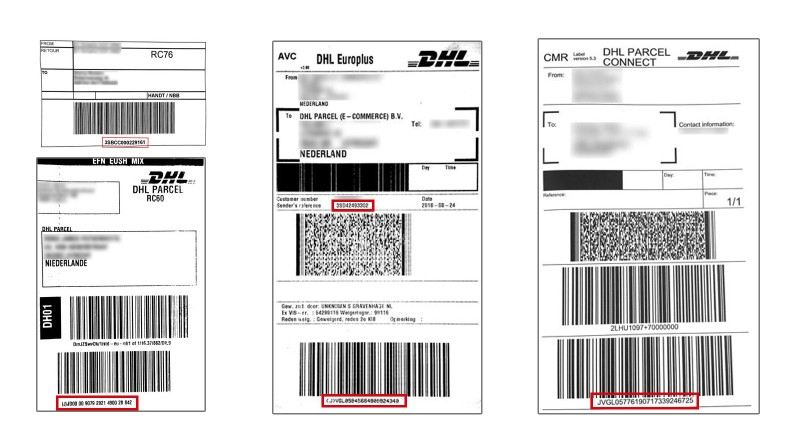
DHL ist ein privates Unternehmen und kein nationales Postamt. Daher müssen sie sich nicht an die 13-Zeichen-Regel der UPU halten. Die meisten DHL Express-Sendungen verwenden ein numerisches System. Dadurch sehen die Etiketten viel sauberer aus, unterscheiden sich aber auch stark von einer normalen Briefmarke.
DHL setzt auf Schnelligkeit und starke Integration. Da sie ihre eigenen Flugzeuge und Drehkreuze besitzen, ist ihre Sendungsverfolgung oft viel detaillierter als die der Postdienste. Sie werden jedes Mal sehen, wenn eine Person den Karton in einem Lagerhaus scannt.
3.1 Der 10-stellige Frachtbrief
Das gebräuchlichste Format für eine DHL Express internationale Kontrollnummer ist ein 10-stelliger numerischer Code. Er könnte wie “1234567890” aussehen. Manche Leute nennen dies die “Waybill-Nummer”. Anders als bei USPS gibt es keine Buchstaben am Ende, die Ihnen das Herkunftsland verraten.
3.2 DHL Global Mail (elektronischer Geschäftsverkehr)
Es ist wichtig zu wissen, dass DHL zwei verschiedene Abteilungen hat. DHL Express verwendet 10 Ziffern. DHL Ecommerce verwendet jedoch häufig längere Codes, die mit “GM” oder “LY” beginnen. Diese Codes sind manchmal länger und können bis zu 20 Zeichen umfassen. Sie müssen also wissen, welchen Dienst Sie nutzen, um die richtige Seite für die Sendungsverfolgung zu finden.
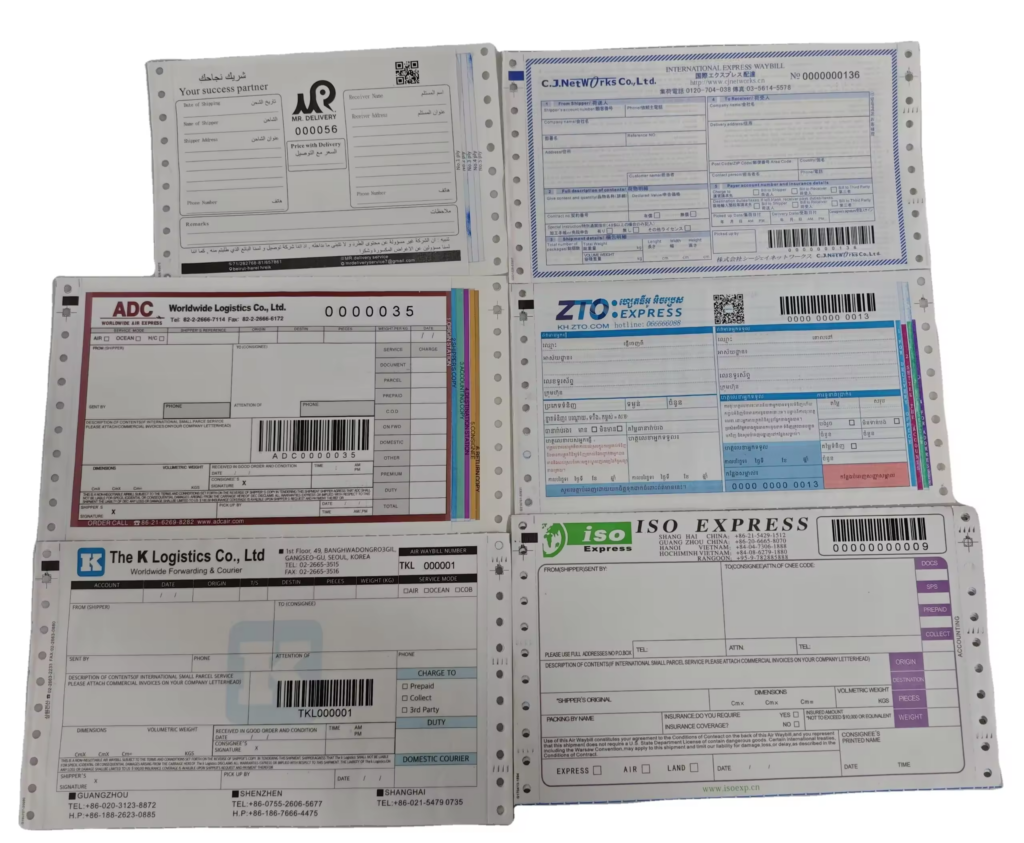
4. Struktur der internationalen Sendungsverfolgung von FedEx
FedEx ist ebenfalls als privater globaler Spediteur tätig. Ähnlich wie DHL verwenden sie lieber Zahlen als Buchstaben. Ihr System ist für den Versand großer Mengen und eine schnelle Logistik ausgelegt. Wenn Sie eine FedEx-Sendung erhalten internationale Kontrollnummer, handelt es sich in der Regel um eine 12- oder 15-stellige Zeichenfolge.
Die FedEx-Sendungsverfolgung ist bekannt dafür, dass sie sehr genau ist. Sie bieten “Echtzeit”-Updates, weil sie die gesamte Reise kontrollieren. Sie können die genaue Minute sehen, in der der Fahrer das Paket an der Tür des Absenders abholt.
4.1 FedEx Express 12-stelliges Format
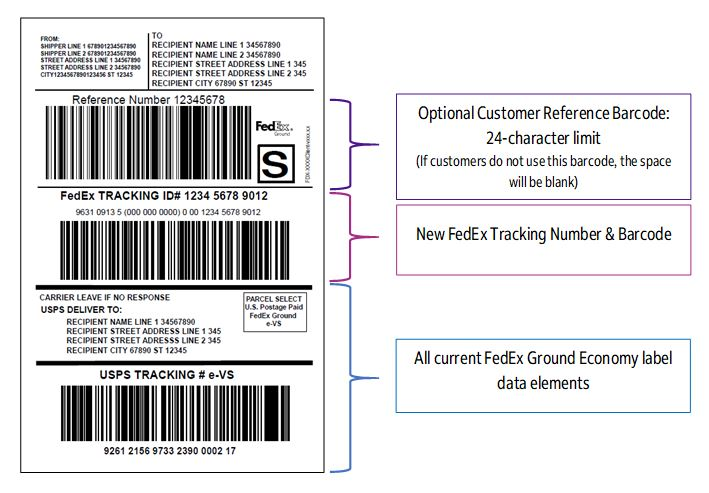
Für die Mehrzahl der internationalen Luftfrachtsendungen verwendet FedEx eine 12-stellige Nummer. Zum Beispiel: “987654321012”. Dieser Code ist für Ihre spezielle Sendung eindeutig. Darüber hinaus kann FedEx Ground (das einen Teil des internationalen Handels in Nordamerika abwickelt) eine 15-stellige Nummer verwenden.
4.2 FedEx Ground und die internationale Wirtschaft
Manchmal verwendet FedEx noch längere Nummern für Economy-Services. Diese können 20 oder 22 Ziffern lang sein. Auch wenn die Nummern lang sind, funktioniert das System auf die gleiche Weise. Sie geben die internationale Kontrollnummer auf ihrer Website, um den Fortschritt zu sehen.
5. Hauptunterschiede zwischen Post und privaten Transportunternehmen
Die Entscheidung zwischen USPS und einem privaten Unternehmen wie FedEx oder DHL hängt von Ihren Bedürfnissen ab. Die internationale Kontrollnummer spiegelt die Art der von jedem Unternehmen verwendeten Technologie wider. Postalische Codes sind für breite Kompatibilität gedacht, während private Codes für interne Geschwindigkeit ausgelegt sind.
5.1 Granularität der Verfolgung
Private Spediteure bieten im Allgemeinen mehr “Scans” an. Sie sehen Aktualisierungen wie “in der Sortieranlage angekommen” oder “durch den Zoll gegangen” viel schneller. Im Gegensatz dazu aktualisieren Postdienste möglicherweise nur, wenn sich das Paket zwischen größeren Städten bewegt.
5.2 Zollabfertigung
DHL und FedEx wickeln den Zoll normalerweise selbst ab. Das bedeutet, dass die internationale Kontrollnummer wird der Zollvorgang deutlich angezeigt. USPS verlässt sich auf die Zollagenten des Ziellandes, was manchmal zu “dunklen Perioden” führen kann, in denen keine Aktualisierungen erscheinen.
6. Fehlerbehebung bei einem fehlenden Update
Es ist üblich, dass ein internationale Kontrollnummer für eine kurze Zeit stehen bleiben. Geraten Sie nicht in Panik, wenn dies geschieht. Es gibt mehrere logische Gründe dafür, dass ein Code nicht jeden Tag aktualisiert werden kann.
- Verzögerungen beim Zoll: Dies ist der häufigste Grund. Die Bevollmächtigten müssen den Inhalt und den Papierkram überprüfen.
- Punkte übertragen: Wenn ein Paket von einem Flugzeug auf einen Lastwagen umgeladen wird, kann es sein, dass es 48 Stunden lang nicht gescannt wird.
- Das Wetter: Große Stürme können Flugzeuge aufhalten, was zu einer Unterbrechung der Verfolgungsdaten führt.
Wenn Ihr Code innerhalb von fünf Werktagen nicht aktualisiert wurde, sollten Sie sich an den Betreiber wenden. Lassen Sie Ihren internationale Kontrollnummer bereit, wenn Sie anrufen, damit man Ihnen schnell helfen kann.
FAQ
FAQ 1: Kann ich ein USPS-Paket auf der DHL-Website verfolgen?
Antwort: Nein. Jede Fluggesellschaft verwendet ihr eigenes internes System. Sie müssen die Website des Unternehmens verwenden, das die internationale Kontrollnummer. Einige “All-in-one”-Tracking-Sites können jedoch Daten von mehreren Anbietern gleichzeitig abrufen.
FAQ 2: Warum hat meine Sendungsnummer 22 Ziffern?
Antwort: Sehr lange Nummern gehören normalerweise zu “Economy”- oder “E-Commerce”-Diensten. Sowohl FedEx als auch DHL verwenden diese für billigere, langsamere Sendungen. Diese Codes verweisen oft auf lokale Zustellpartner im Zielland.
FAQ 3: Was bedeutet eigentlich “In Transit”?
Antwort: Dieser Status bedeutet, dass sich Ihr Paket gerade auf dem Transportweg befindet. Es könnte sich in einem Flugzeug, einem Schiff oder einem LKW befinden. Es bedeutet einfach, dass es den letzten Scanpunkt verlassen hat, aber noch nicht am nächsten angekommen ist.
FAQ 4: Ist eine Frachtbriefnummer dasselbe wie eine Trackingnummer?
Antwort: Ja. In der Welt des privaten Versandes (wie DHL und FedEx) werden die Begriffe austauschbar verwendet. Beide beziehen sich auf die einzigartige internationale Kontrollnummer die zur Identifizierung Ihrer Sendung verwendet wird.
FAQ 5: Warum endet meine USPS-Kontrollnummer auf “US”?
Antwort: Das “US” bedeutet, dass das Paket aus den Vereinigten Staaten stammt. Dies entspricht dem internationalen Poststandard S10, der einen zweistelligen Ländercode am Ende der Sequenz verlangt.
Schlussfolgerung
Verstehen der verschiedenen Formate eines internationale Kontrollnummer macht den Versand viel einfacher. Ob Sie nun den 13-stelligen Poststil von USPS oder die numerischen Codes von DHL und FedEx verwenden, das Ziel ist das gleiche. Diese Nummern geben Ihnen Sicherheit und helfen Ihnen, Ihre Lieferung zu planen. Bewahren Sie Ihre Quittung immer gut auf und überprüfen Sie alle paar Tage die Seite mit der Sendungsverfolgung. Wenn Sie wissen, wie Sie diese Codes lesen können, behalten Sie die Kontrolle über Ihre weltweiten Sendungen. Wenn Sie gerade einen Code haben, versuchen Sie, das Format anhand des heute Gelernten zu bestimmen!

Einblicke in die Industrie

Nachrichten über den Posteingang
Nulla turp dis cursus. Integer liberos euismod pretium faucibua