Der Schritt-für-Schritt-Leitfaden für den Rückverfolgungsprozess in der Logistik für ein effektives Retourenmanagement
Inhaltsverzeichnis
Verfolgung der umgekehrten Logistik Prozesse spielen im modernen Retourenmanagement eine entscheidende Rolle. Kunden erwarten klare Updates, während Verkäufer Transparenz, Kontrolle und Kostenreduzierung benötigen. Ein strukturierter Reverse-Logistics-Tracking-Prozess hilft beiden Seiten, von der Anforderung einer Rücksendung bis zur endgültigen Erstattung oder zum Umtausch im Einklang zu bleiben.
In diesem Leitfaden wird jeder Schritt klar und praktisch erklärt, wobei der Schwerpunkt auf der Ausführung und nicht auf der Theorie liegt.
1. Warum der Reverse Logistics Tracking Prozess für das Retourenmanagement wichtig ist
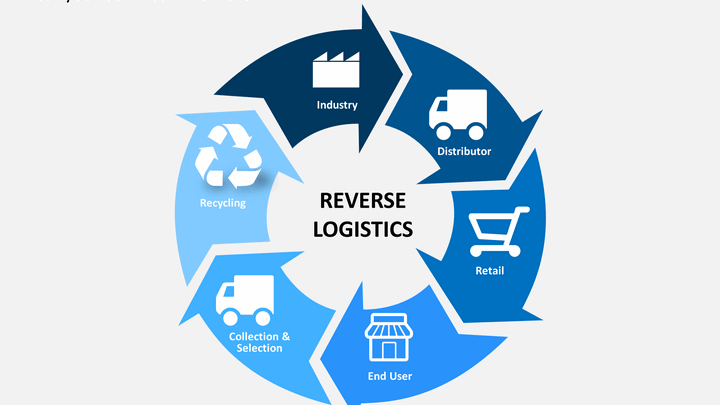
Rücksendungen beeinträchtigen das Vertrauen der Kunden, Inventar Genauigkeit und Cashflow. Ohne einen klaren Rückverfolgungsprozess für die Logistik werden Pakete verzögert, Rückerstattungen verlangsamt und Support-Tickets erhöht.
Ein gut durchdachtes Verfahren hilft Ihnen dabei:
- Verfolgen Sie jede Rückgabe in Echtzeit
- Reduzierung der Anfragen “Wo ist meine Erstattung?
- Rückgabebetrug früher erkennen
- Beschleunigung der Wiederauffüllung und Lösung
1.1 Was die Rückverfolgung der Logistik wirklich bedeutet
Die Rückverfolgung der Logistik verfolgt zurückgesandte Artikel auf ihrem Weg durch die Lieferkette. Ein solider Rückverfolgungsprozess für die Logistik beantwortet in jeder Phase einfache Fragen:
- Wo ist die Rückgabe jetzt?
- Was ist der nächste Schritt?
- Wer ist in diesem Stadium verantwortlich?
- Wann wird der Kunde eine Aktualisierung sehen?
2. Schritt-für-Schritt-Verfolgungsprozess in der umgekehrten Logistik
Jeder nachfolgende Schritt sollte eine sichtbare Statusaktualisierung bewirken. Klare Kontrollpunkte verhindern Verwirrung und reduzieren manuelle Nachfassaktionen.
2.1 Schritt 1: Rückgabeantrag und -genehmigung
Der Rückverfolgungsprozess in der Reverse Logistics beginnt, wenn ein Kunde eine Rücksendung beantragt. In diesem Schritt sollten die Auftragsdetails bestätigt und die Erwartungen frühzeitig festgelegt werden.
Schlüsselaktionen:
- Überprüfen der Auftragsnummer und der Identität des Kunden
- Erfassen des Rückgabegrundes mit festen Optionen
- Bestätigen Sie das Rückgabefenster und den Zustand des Artikels
Statusverfolgung:
- Rücksendung angefordert
- Rückkehr genehmigt
- RMA ausgestellt
2.2 Schritt 2: Rücksendeetikett und Tracking-ID
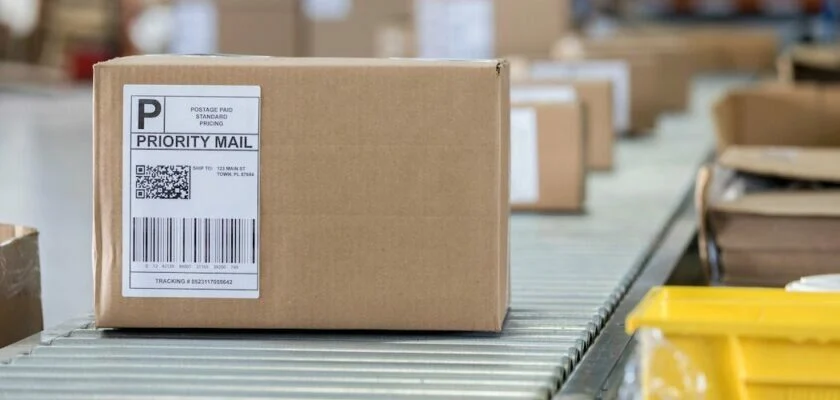
Jede Rücksendung muss eine eindeutige Tracking-ID haben. Diese ID verbindet das Paket mit der Bestellung und dem Rückgabefall.
Bewährte Praktiken:
- Eine Tracking-ID pro Paket
- Barcode oder QR-Code in Verbindung mit der RMA
- Korrekte Rücksendeadresse je nach Artikelart
Dieser Schritt bildet das Rückgrat des Reverse Logistics Tracking Prozesses.
2.3 Schritt 3: Erster Scan und Trägerannahme
Viele Streitigkeiten entstehen bereits vor dem ersten Scan. Ein Etikett allein bestätigt keine Bewegung.
Wichtige Tracking-Ereignisse:
- Etikett erstellt
- Abgegeben oder abgeholt
- Vom Beförderer akzeptiert
Sobald der Spediteur das Paket gescannt hat, wird die Verfolgung der umgekehrten Logistik Der Prozess beginnt offiziell.
2.4 Schritt 4: Aktualisierungen der Verfolgung während der Fahrt
Rücksendungen gehen oft langsamer als ausgehende Sendungen. Dennoch sind regelmäßige Aktualisierungen wichtig.
Empfohlene Etappenziele:
- Im Transit
- Angekommen im Sortierzentrum
- Abgefahrenes Sortierzentrum
Wenn die Scans für mehrere Tage ausbleiben, lösen Sie einen Alarm aus. Ein starker Reverse Logistics Tracking-Prozess reagiert, bevor sich Kunden beschweren.
2.5 Schritt 5: Lieferung an die Rückgabeeinrichtung
Dies ist ein kritischer Moment für die Kunden. Viele erwarten bald nach der Lieferung eine Rückerstattung.
Verfolgung des Ereignisses:
- Zustellung an die Rückgabestelle
Zu ergreifende Maßnahmen:
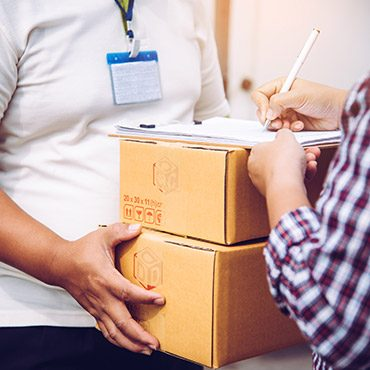
- Sofortige Benachrichtigung des Kunden
- Start des internen Inspektionstimers
2.6 Schritt 6: Empfangs- und Eingangsscan
Die Zustellung bedeutet nicht, dass die Sendung in den Lagerhaus System. Intake bestätigt den physischen Empfang.
Interne Tracking-Ereignisse:
- Empfangen am Dock
- Für die Inspektion sortiert
Dieser Schritt verhindert Lücken zwischen den Daten des Spediteurs und der Realität des Lagers im Reverse Logistics Tracking Prozess.
2.7 Schritt 7: Inspektion und Entscheidung
Die Inspektion entscheidet über das Endergebnis der Rückgabe.
Mögliche Zustände:
- Unter Kontrolle
- Für die Erstattung gebilligt
- Zum Umtausch freigegeben
- Rückgabe abgelehnt
Die Inspektionen umfassen in der Regel Folgendes:
- Richtiger Artikel und SKU
- Bedingung: Übereinstimmung
- Inklusive Zubehör
- Anzeichen von Gebrauch oder Beschädigung
2.8 Schritt 8: Ausführung der Erstattung oder des Umtauschs
Diese Stufe verbindet Logistik mit Zahlungen. Ein vollständiger Reverse Logistics Tracking Prozess zeigt den finanziellen Fortschritt klar auf.
Verfolgung von Ereignissen:
- Erstattung eingeleitet
- Erstattung abgeschlossen
- Austausch verschickt
Wenn ein Austausch versandt wird, verknüpfen Sie die neue Ausgangsverfolgung mit demselben Rücksendefall.
2.9 Schritt 9: Aktualisierung des Bestandsverzeichnisses und Abschluss
Mit dem letzten Schritt schließt sich der Kreis.
Maßnahmen zur Bestandsaufnahme:
- Wiederaufgefüllt als verkaufsfähig
- In den Freiraum verschoben
- Zur Reparatur oder Entsorgung geschickt
Schnelle Bestandsaktualisierungen verbessern die Verfügbarkeit und die Genauigkeit der Berichterstattung.
3. Behandlung von Ausnahmen im Tracking-Prozess der umgekehrten Logistik
Kein Prozess funktioniert jedes Mal perfekt. Die Behandlung von Ausnahmen bestimmt die Gesamtqualität.

3.1 Häufige Rückgabeprobleme
- Kein Scan nach Etikettenerstellung
- Paket bleibt beim Transport stecken
- Geliefert, aber intern nicht erhalten
- Falscher oder fehlender Artikel
- Ansprüche auf leere Schachteln
3.2 Einfache Eskalationsregeln
Legen Sie die Zeiten für eine klare Antwort fest:
- Kein erster Scan innerhalb von 72 Stunden → Benachrichtigung des Kunden
- Keine Bewegung in 5-7 Tagen → Trägerspur
- Geliefert, aber nicht innerhalb von 48 Stunden erhalten → Lagerprüfung
Auf diese Weise bleibt der Rückverfolgungsprozess in der Logistik vorhersehbar und kontrolliert.
4. Wie postalparcel die Rückverfolgung unterstützt
Postpaket hilft dabei, alle Rückgabeereignisse in einer Zeitleiste zu zentralisieren. Anstatt zwischen Trägern und Systemen zu wechseln, sehen die Teams eine durchgehende Ansicht.
Schlüsselelemente, die gemeinsam verfolgt werden müssen:
- Carrier-Scan-Daten
- RMA und Auftragsnummer
- Lagerannahme und -kontrolle
- Status der Rückerstattung oder des Umtauschs
- Ausnahmewarnungen
4.1 Klare Statusabbildung für Kunden
Frachtführermeldungen können verwirrend sein. Die Zuordnung zu einfachen Statusmeldungen verbessert das Vertrauen und das Verständnis innerhalb des Reverse Logistics Tracking Prozesses.
Beispiel:
- “Sendungsinformationen erhalten” → Etikett erstellt
- “In der Anlage angekommen” → Im Sortierzentrum
- “Geliefert” → Rücksendung erhalten
5. Kundenfragen, die Sie klar beantworten sollten

5.1 Warum ist meine Rücksendung noch nicht unterwegs?
Die Nachverfolgung beginnt erst, nachdem der Spediteur das Paket gescannt hat. Mit der Erstellung des Etiketts allein beginnt der Reverse Logistics Tracking-Prozess noch nicht.
5.2 Warum hat meine Erstattung nach der Lieferung nicht begonnen?
Die Erstattung beginnt in der Regel nach der Aufnahme und Prüfung. Lieferung ist nur ein Schritt im Tracking-Prozess der umgekehrten Logistik.
5.3 Was passiert, wenn sich meine Rückkehr verzögert?
Der Verkäufer kann eine Untersuchung durch den Spediteur einleiten und den Rückgabefall aktualisieren. Eine klare Nachverfolgung verringert die Unsicherheit.
5.4 Kann ich Umtauschvorgänge auf die gleiche Weise verfolgen?
Ja. Ein leistungsfähiger Reverse-Logistics-Verfolgungsprozess verbindet die Rücksendung und die Ersatzlieferung in einem Fall.
5.5 Was passiert, wenn ein falscher Artikel zurückgeschickt wird?
Inspektionsergebnisse, Fotos und Gewichtskontrollen helfen bei der Klärung des Falls und der Entscheidung über die nächsten Schritte.
Schlussfolgerung
Ein klarer Rückverfolgungsprozess verwandelt Rücksendungen von einem Problem in einen kontrollierten Arbeitsablauf. Wenn jeder Schritt einen sichtbaren Status, klare Verantwortlichkeiten und einfache Regeln hat, bleiben die Kunden informiert und die Teams effizient. Mit zentraler Nachverfolgung und strukturierten Meilensteinen helfen Ihnen Plattformen wie postalparcel, Rücksendungen mit Vertrauen und Konsistenz zu verwalten.

Einblicke in die Industrie

Nachrichten über den Posteingang
Nulla turp dis cursus. Integer liberos euismod pretium faucibua