Delivered But Not Received: How to Handle International Tracking Conflicts
International tracking conflicts happen when a shipment shows Delivered in tracking, but the customer says it is not received. This “Delivered But Not Received” gap is one of the fastest ways to lose trust, trigger chargebacks, and burn support hours. The good news: most cases follow repeatable patterns. If you reply with the right questions, request the right proof, and follow a consistent decision path, you can resolve disputes faster and protect your margins.
Why “Delivered But Not Received” Happens
A tracking scan is a signal, not the whole truth. International last-mile delivery involves multiple handoffs and local delivery habits. Most conflicts come from:
Delivered to a place the buyer did not check
- Mailroom, concierge, security desk
- Parcel locker or pickup point
- “Safe place” (side door, porch, behind a gate)
- Neighbor acceptance (common in some regions)
Address details were incomplete or formatted wrong
- Missing apartment/unit, building name, floor, intercom code
- Postal code mismatch with city/region
- Customer used old address or autofill error
Mis-scan or early scan
- Driver scans “delivered” to close a route, then delivers later
- Scan happens at a depot/locker handover, not the recipient door
- System refresh and time zone mismatch creates confusion for 24–48 hours
Theft or loss after delivery
- Porch theft
- Mailroom mishandling
- Unauthorized pickup where signatures are weak
First Response: Act Fast and Stay Neutral
Your first reply should be calm, structured, and fact-based. Avoid sounding accusatory. A strong first message reduces chargebacks because it shows control.
What to ask the customer (quick checks that solve many cases)
Ask them to confirm they checked:
- Mailroom, reception, concierge, security desk
- Parcel locker or pickup notice
- Neighbors or household members
- The exact delivery area described in international tracking notes
- Building CCTV or entry logs (if available)
What to request (simple evidence that helps later)
- A short statement: “I confirm I have not received the parcel.”
- A photo of the delivery area (front door/mailroom shelf/mailbox wall)
This is practical and also supports carrier investigations.
Build a Case File, Not a Chat Thread
Treat every “Delivered But Not Received” as a case with a standard record. This prevents missing details and makes escalations easier.
Case record checklist
- Order ID + customer contact info
- Address exactly as entered at checkout
- Carrier and tracking number(s)
- Delivered scan time + local time zone
- Tracking screenshots from carrier site
- Delivery proof type (signature/photo/GPS/notes/locker data)
- Order value and customer history (first-time vs repeat)
Pull the Right Proof: POD, GPS, Photo, Signature
Many merchants lose disputes because they accept a “Delivered” scan without asking for proof.
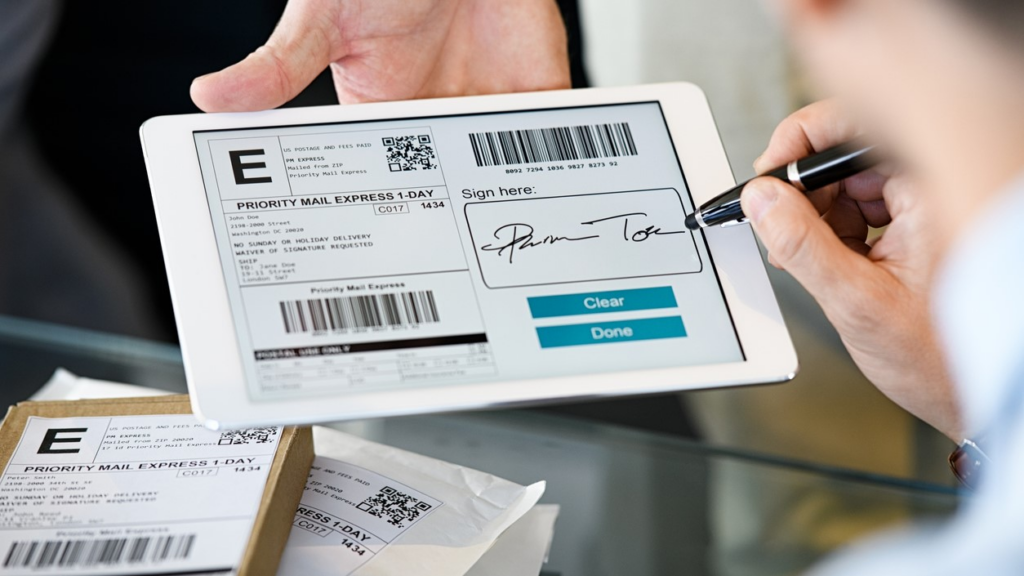
Proof of Delivery (POD) you should request
- Signature POD (name + signature image + timestamp)
- Photo POD (delivery location photo)
- GPS coordinates (where the delivered scan occurred)
- Driver notes (“left with concierge,” “locker #,” “front porch”)
What “strong proof” looks like
Strong proof usually includes at least two:
- GPS matches the delivery address area
- Photo shows a recognizable location
- Signature matches recipient name or building staff procedure
- Locker ID + pickup timestamp
If you only have “Delivered” and nothing else, treat it as higher risk and escalate quickly.
Decision Tree: A Simple Way to Resolve Fast
Use a consistent decision path. It reduces emotion and shortens resolution time.
If delivery proof is strong
Examples: GPS + photo at the door, or signature by concierge.
Do this
- Ask customer to check the exact place described in notes (mailroom/locker/concierge).
- Ask for building staff confirmation (mailroom log or receptionist check).
- Offer a controlled resolution option based on your policy:
- Reship with signature + address confirmation, or
- Store credit / partial support gesture for good customers, or
- Deny refund if evidence is conclusive and policy is clear
If delivery proof is weak or missing
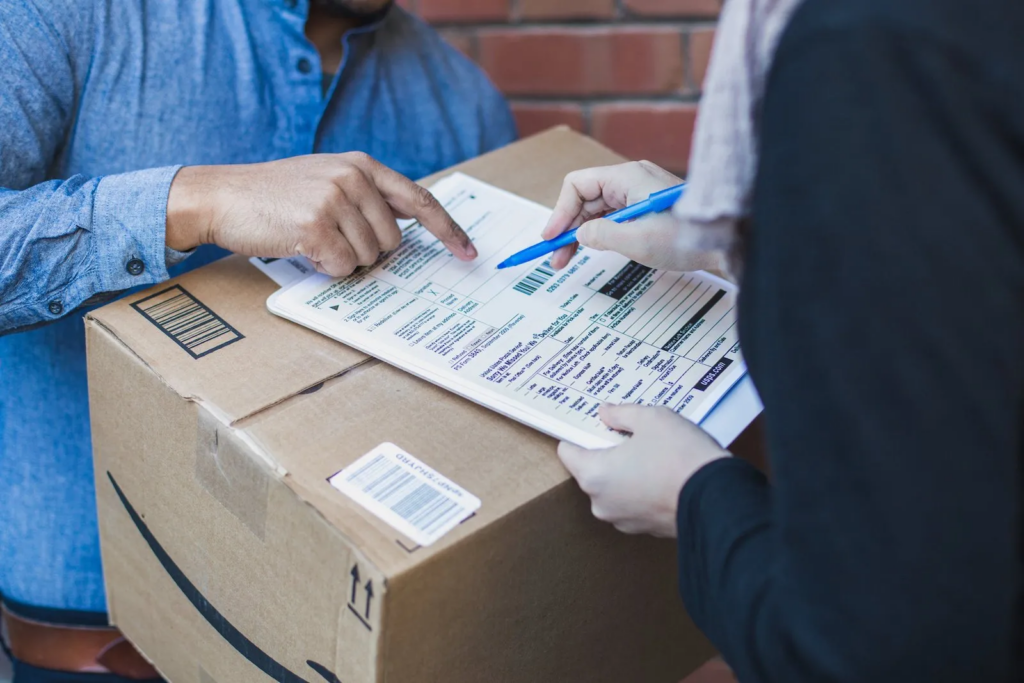
Examples: no GPS/photo/signature, only a delivered scan.
Do this
- Open a carrier investigation immediately.
- Tell the customer your update cadence (every 48 hours).
- Consider a proactive reship only if the customer is high value, but upgrade controls:
- Signature required
- Address verified
- No safe-place delivery where possible
If delivery was within the last 24–48 hours
A meaningful share of “missing” deliveries show up soon after the scan.
Do this
- Ask customer to wait 24–48 hours while you request proof and the carrier checks the route.
- Keep the case active and provide a specific next update date.
If the address is wrong or incomplete
Do this
- Document the mismatch clearly.
- For reship: require corrected address and confirmation.
- Apply policy consistently (some merchants reship once, others offer partial refund).
How to Escalate With Carriers (So You Get Real Answers)

Carrier cases fail when requests are vague. Send a structured escalation.
Escalation packet (what to include)
- Tracking number, shipment date, service level
- Full address and phone number
- Customer non-receipt statement
- Request for GPS, photo POD, signature POD, and a route check
- Ask if “Delivered” is a final scan or a handover/locker scan
Push for a route check
A route check typically confirms:
- Which driver handled it
- Whether a misdelivery was reported
- Whether the parcel can be recovered
- Where the driver believes it was left
Set internal deadlines
Do not let investigations run forever. Use a cutoff (example: 7–10 business days), then decide based on available proof and your policy.
Chargeback Defense: Prepare Before the Dispute
International “Delivered But Not Received” cases often become payment disputes. Build an evidence bundle early.

Evidence bundle checklist
- Carrier tracking page showing delivery scan
- POD evidence (photo/GPS/signature/notes)
- Order page showing the address provided by the buyer
- Support timeline with dates and actions taken
- Policy excerpt: claim window, signature rules, and investigation process
Write messages like a chargeback reviewer will read them later: factual, dated, and professional.
Prevention That Actually Works
You cannot eliminate DNR cases, but you can reduce them significantly.
Improve address quality at checkout
- Auto-complete with local formatting
- Required apartment/unit logic
- Phone validation for countries where it matters
- Warnings when postal code and city do not match
Add delivery controls by risk level
- High-value orders: signature required
- First-time buyers: stricter verification
- Apartment-heavy zones: locker/pickup options
Better international tracking notifications
Send proactive messages:
- “Out for delivery today”
- “Delivered—please check mailroom/locker/concierge first”
These small prompts prevent many false alarms.
Conclusion
Delivered But Not Received disputes are tracking-data conflicts that require a disciplined workflow. When you standardize your case record, request the right delivery proof, escalate with a structured packet, and communicate on a clear timeline, you protect revenue and reduce chargebacks—without treating customers unfairly.



Industry Insights


news via inbox
Nulla turp dis cursus. Integer liberos euismod pretium faucibua