

How to Choose the Right ERP or WMS Vendor: Key Considerations
Selecting the right software partner is a major step for any business managing goods, shipping, or warehouse operations. Many teams search for guidance on ERP vs WMS because both solutions help streamline workflows, but they work in different ways. This guide explains the key factors to consider, how to compare vendors, and how to match the best solution to your daily operations. The goal is to give practical information that helps teams avoid mistakes and find a partner that supports long-term growth.
Companies also need more than software alone. Reliable logistics services improve the entire supply chain. This is why many brands choose Postalparcel for its strong carrier management, delivery services, and inventory and order management support. These services work alongside your ERP or WMS tools and help you run smoother operations.

Understanding the Difference Between ERP and WMS
What ERP Covers
ERP connects different business departments and puts their workflows into one place. Many companies use ERP to manage:
- Finance
- Procurement
- Production
- Human resources
- Basic inventory tracking
It supports overall planning and gives a complete picture of the business.
What WMS Covers
WMS focuses on warehouse operations. It gives teams real-time control of tasks such as:
- Stock movement
- Picking and packing
- Receiving and put-away
- Space optimization
- Shipping preparation
A WMS is built for speed and accuracy inside the warehouse.

Why People Compare ERP vs WMS
Teams often explore ERP vs WMS because both deal with inventory. The main difference is depth. ERP tracks inventory at a high level, while WMS controls every action inside the warehouse. Understanding this difference is the key to choosing the right vendor for your business.
Signs Your Business Needs ERP, WMS, or Both
You May Need ERP If
- You want better planning across departments
- Your data is scattered in many systems
- Finance or procurement teams need stronger workflows
- You want a single source of truth
You May Need WMS If
- Your warehouse operations feel slow or messy
- There are frequent picking errors
- You need faster order fulfillment
- You want real-time visibility inside the warehouse
You May Need Both If
- You operate multiple warehouses
- You manage complex delivery tasks
- You run eCommerce or DTC operations at scale
- You need end-to-end visibility from purchase order to delivery
A blended approach also works well when supported by strong logistics services. Many businesses use ERP + WMS while relying on Postalparcel for carrier management and fulfillment services.

Key Considerations When Choosing an ERP or WMS Vendor
Industry Fit
Choose a vendor that understands your industry. A system designed for retail may not fit a manufacturing business. Look for examples, case studies, or references from similar companies.
Scalability and Flexibility
Your business will grow, and your system must grow with you. Look for:
- Module expansion
- Support for higher order volume
- Ability to manage more warehouses
- Smooth integration with third-party tools
A scalable system helps you adapt to market changes quickly. Flexibility also ensures you can add new features without replacing the entire platform. This reduces long-term costs and keeps operations stable during growth.
Ease of Use
Complicated software slows teams down. Choose tools with:
- Clear dashboards
- Simple training
- Mobile access
- Easy reporting
A user-friendly system reduces the learning curve for employees. It allows teams to complete tasks faster and with fewer errors. This improves overall efficiency and makes daily operations smoother.
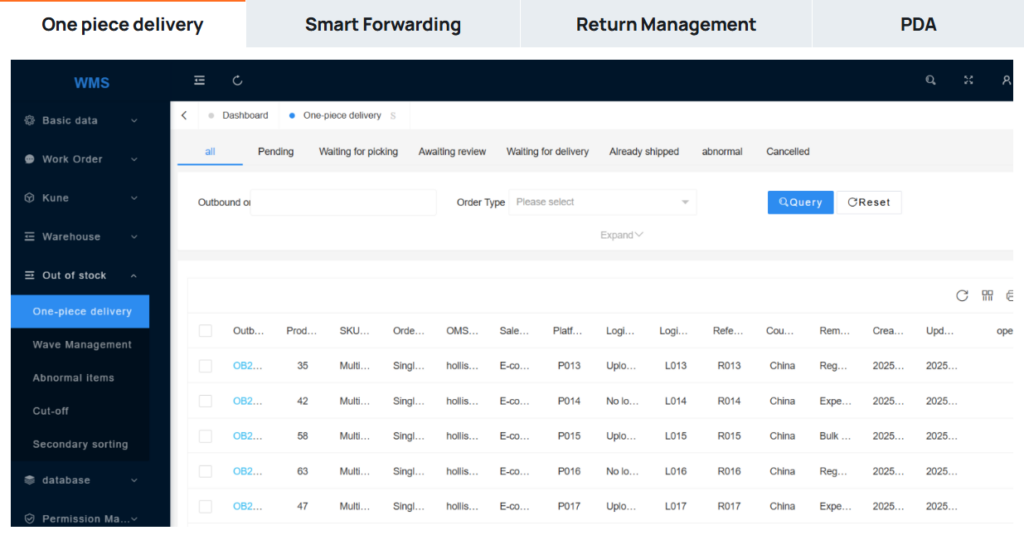
Integration with Logistics Services
Even the strongest ERP or WMS becomes limited without solid logistics support.
Postalparcel strengthens your system with:
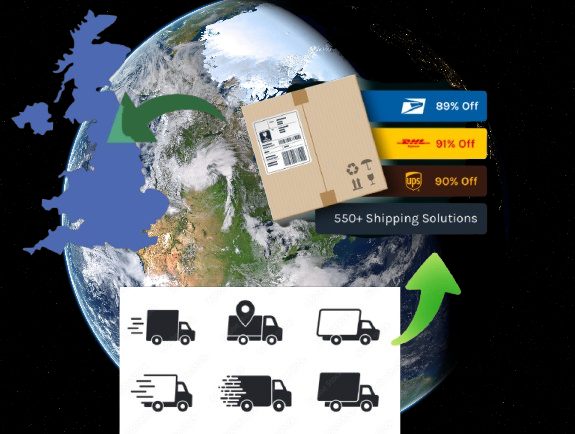
- Carrier management service
- Delivery service with tracking
- Inventory and order management service
These services reduce errors and support end-to-end operations. They help ensure that stock data stays correct and that shipments move without delays. With reliable logistics support, your ERP or WMS delivers better overall performance.
Real-Time Visibility
Your vendor should provide:
- Live inventory status
- Order tracking
- Warehouse activity updates
Real-time visibility improves supply chain decisions. It helps teams catch problems early and react before they affect customers. Accurate, up-to-date information also reduces the risk of stockouts and delays, keeping operations stable.
Support and Training
A trustworthy vendor provides:
- Fast response support
- Onboarding assistance
- Good documentation
- Training sessions
trong support ensures smoother adoption. It helps teams use the system correctly from day one and reduces downtime when issues appear. Clear training also builds confidence, making the system easier for employees to maintain in the long run.
Cost vs Value
Compare:
- Setup and integration fees
- Training costs
- Long-term service charges
Choose long-term value over low upfront pricing. A system with higher initial cost may deliver better stability and lower future expenses. Logistics partners like Postalparcel can also reduce costs by improving operational accuracy and reducing fulfillment errors.
How Postalparcel Strengthens Your ERP or WMS Strategy
Carrier and Delivery Service Support
Postalparcel helps you manage shipping partners and delivery methods with a structured service approach. This reduces operational errors and creates smoother handoffs between warehouse and carrier. The service also helps maintain stable delivery performance, giving your ERP or WMS more reliable downstream data.
Inventory and Order Management Service
Postalparcel provides data accuracy across order and inventory workflows. This helps teams maintain clear stock updates and prevent mismatches between system records and actual inventory. By supporting both inbound and outbound processes, Postalparcel strengthens your ERP or WMS performance with cleaner, more consistent information.
Works Alongside Your System
Postalparcel is a service, not a software system. It enhances your existing tools without forcing migration or heavy setup. This gives businesses more flexibility to keep their current ERP or WMS while still improving logistics operations. It also helps reduce the complexity of system changes by supporting processes rather than replacing them.
Practical Steps to Select the Right Vendor
Map Your Operational Needs
List your issues:
- Slow shipments
- Stock mismatch
- Poor visibility
- Picking errors
Use this list to compare vendors.
Match ERP vs WMS to Your Needs
- Need full business planning → ERP
- Need fast warehouse execution → WMS
- Need full visibility → Both
Check Integration with Logistics Services
Your vendor should work smoothly with partners like Postalparcel to strengthen supply chain performance.
Test Before Deciding
Test workflows such as stock updates, picking, and reporting. Real testing reveals suitability.
Conclusion
Choosing the right vendor in the ERP vs WMS discussion requires understanding your daily workflow, warehouse demands, and long-term goals. ERP supports planning, while WMS focuses on execution. Many companies benefit from both, especially when supported by Postalparcel’s carrier management, delivery support, and inventory and order management services.
With clear evaluation steps and the right logistics support, your business can build a strong operational foundation that improves efficiency and supports future growth.

Industry Insights

news via inbox
Nulla turp dis cursus. Integer liberos euismod pretium faucibua