
¿Qué es un número de seguimiento internacional? Cómo funciona en la logística global
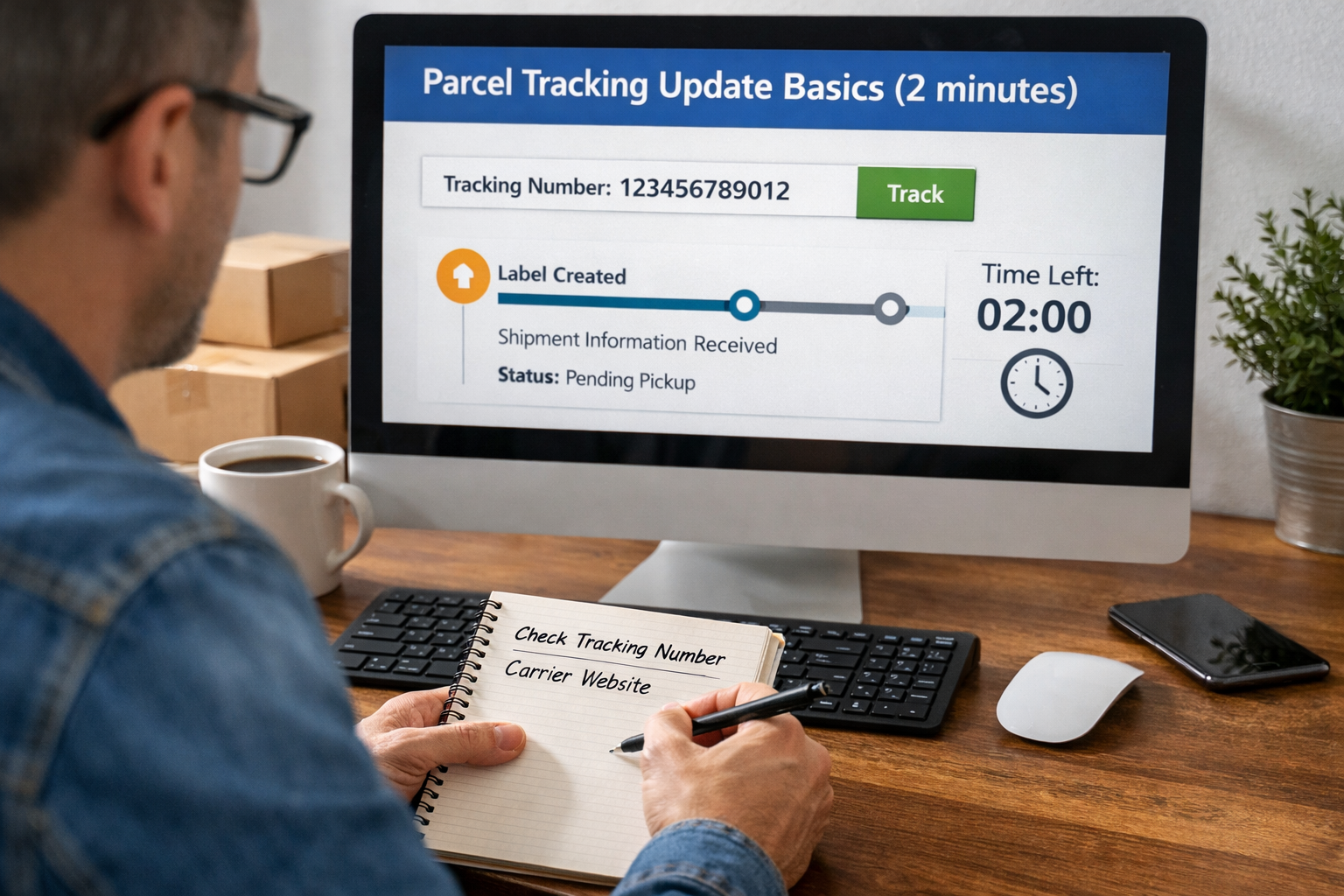
Have you ever ordered something from overseas and wondered where your package is? An número de seguimiento internacional solves that mystery. This simple code lets you follow your shipment across countries. In this blog, we explore what it is and how it works in global logistics. Let’s dive right in.
Índice
1. Understanding the International Tracking Number
You start with the basics when learning about shipping. An tracking number acts as a unique ID for your package. Carriers assign it at the start of the journey. For example, it helps buyers and sellers stay informed.
1.1 Definition and Purpose
A tracking number identifies shipments moving between countries. Shippers use it to monitor progress. Additionally, it provides peace of mind for customers. You enter this number on a carrier’s website to see updates.
This number differs from domestic ones because it handles cross-border rules. For instance, it tracks customs clearance. Therefore, it plays a key role in international trade.
1.2 Common Formats and Examples
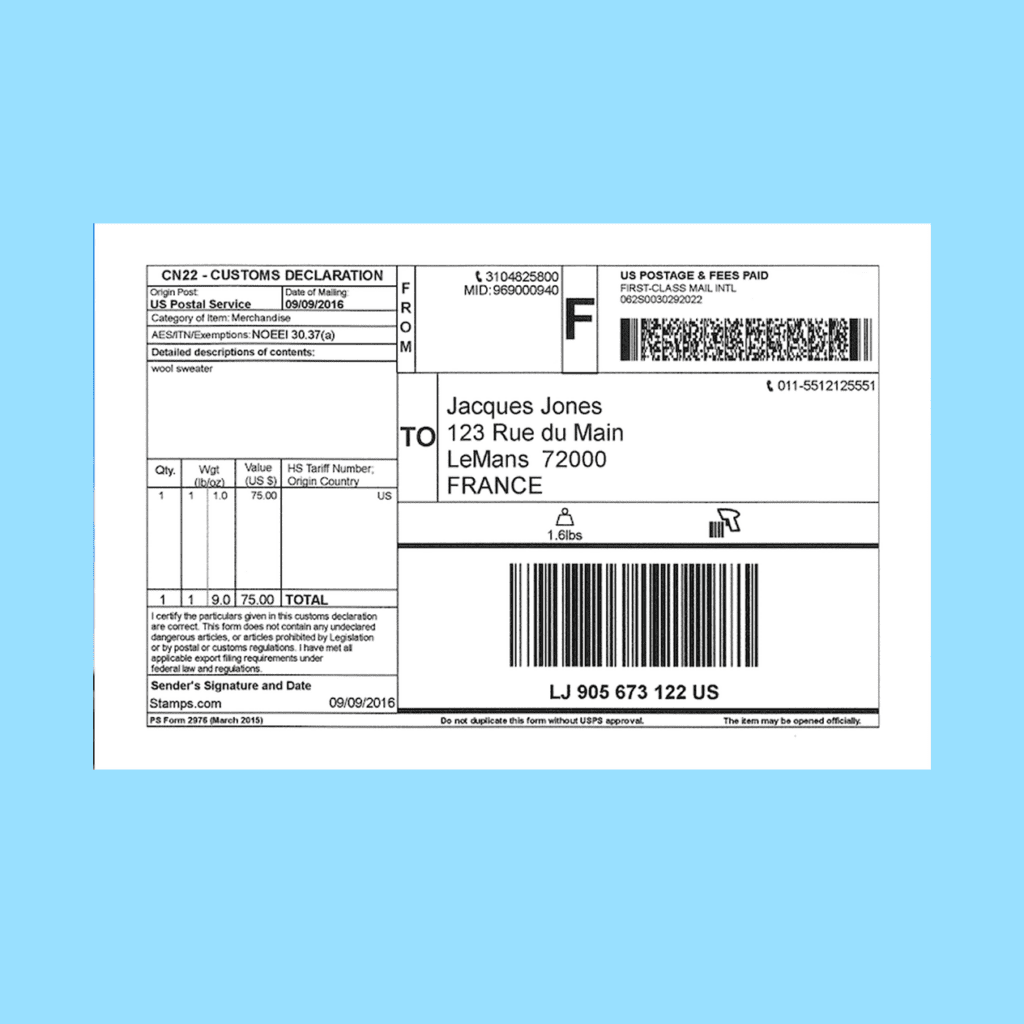
Tracking numbers vary by carrier. USPS uses a 22-character code like “LZ123456789US”. DHL often starts with “JD” followed by numbers. Moreover, FedEx employs 12-15 digits.
You recognize these formats easily. For example, a UPS international tracking number might look like “1Z9999W99999999999”. Thus, knowing the format helps you verify authenticity.

1.3 How Carriers Assign It
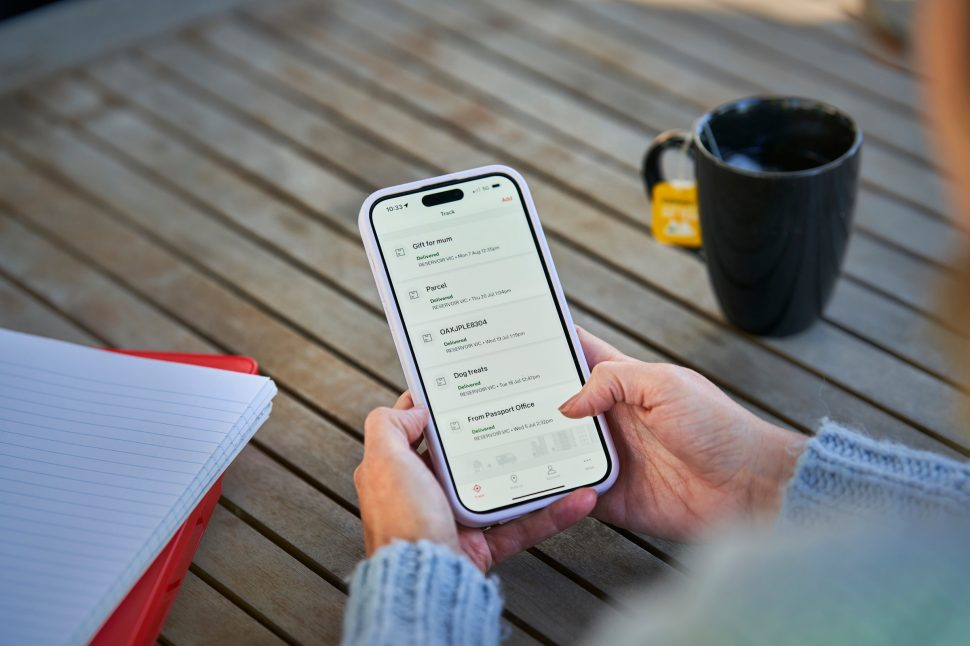
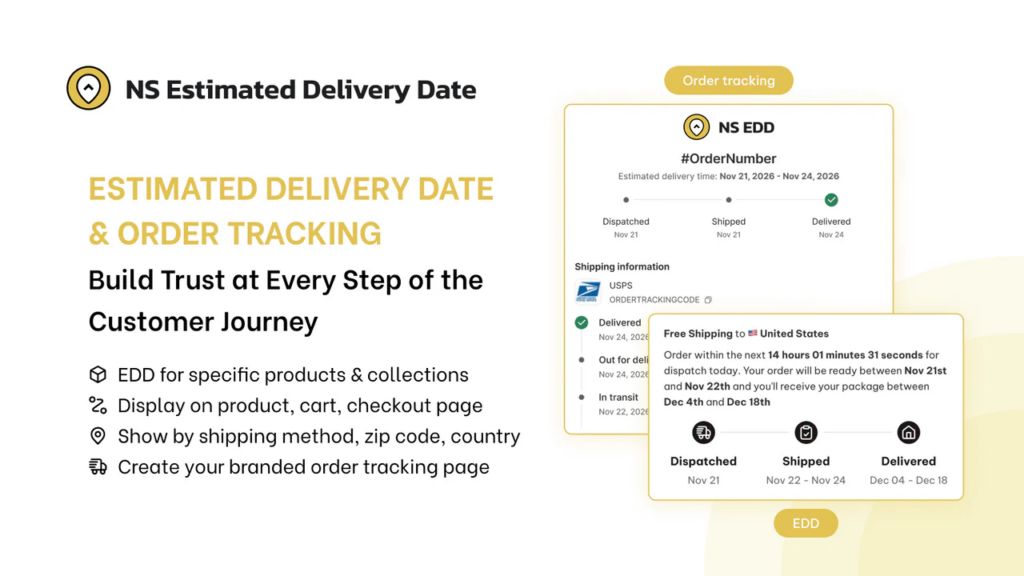
Carriers generate the international tracking number during label creation. They scan it at each checkpoint. As a result, data updates are in real-time. You access this via apps or websites.
Sellers provide it to buyers immediately. Furthermore, it integrates with e-commerce platforms like Shopify. So, automation speeds up the process.
2. How the Tracking Number Works in Global Logistics
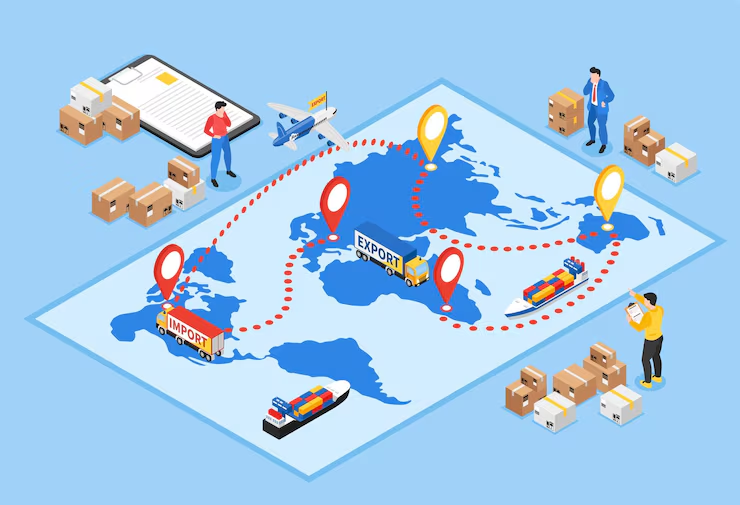
Global logistics involves many steps. The tracking number ties them together. It starts from the sender and ends at your door. Let’s break it down.
2.1 The Step-by-Step Process
First, the sender books the shipment and gets the tracking number. They attach it to the package. Then, the carrier picks it up and scans it.
Next, the package moves to a sorting facility. Here, workers update the status. For example, “In Transit” appears online. After that, it heads to the export hub.
During international travel, airlines or ships transport it. Customs officials check it upon arrival. Consequently, the international tracking number records any delays.
Finally, local delivery occurs. You receive notifications throughout. Thus, transparency builds trust.

2.2 Key Players Involved
Several parties use the international tracking number. Transportistas like UPS manage the core tracking. However, customs agencies verify compliance.
E-commerce sites integrate it for customer dashboards. Additionally, third-party apps aggregate data from multiple carriers. So, you track everything in one place.
Brokers handle duties and taxes using this number. Therefore, coordination ensures smooth flow.
2.3 Technology Behind Tracking
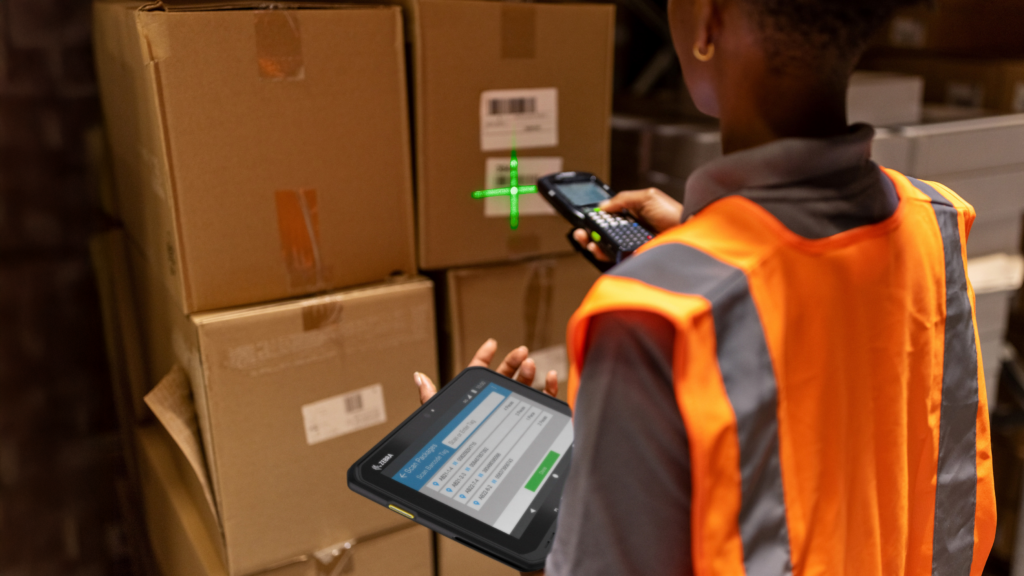
Modern tech powers the international tracking number. GPS devices on trucks provide location data. Barcode scanners update systems instantly.
Moreover, APIs connect carriers’ databases. You get alerts via email or SMS. For instance, blockchain experiments add security layers.
AI predicts delays based on patterns. As a result, logistics improve efficiency.
3. Benefits and Challenges of Using an Tracking Number
You gain many advantages from this system. Yet, challenges exist too. Understanding both helps you navigate global shipping better.
3.1 Major Benefits
En número de seguimiento internacional boosts visibility. You see exactly where your package is. This reduces anxiety during waits.
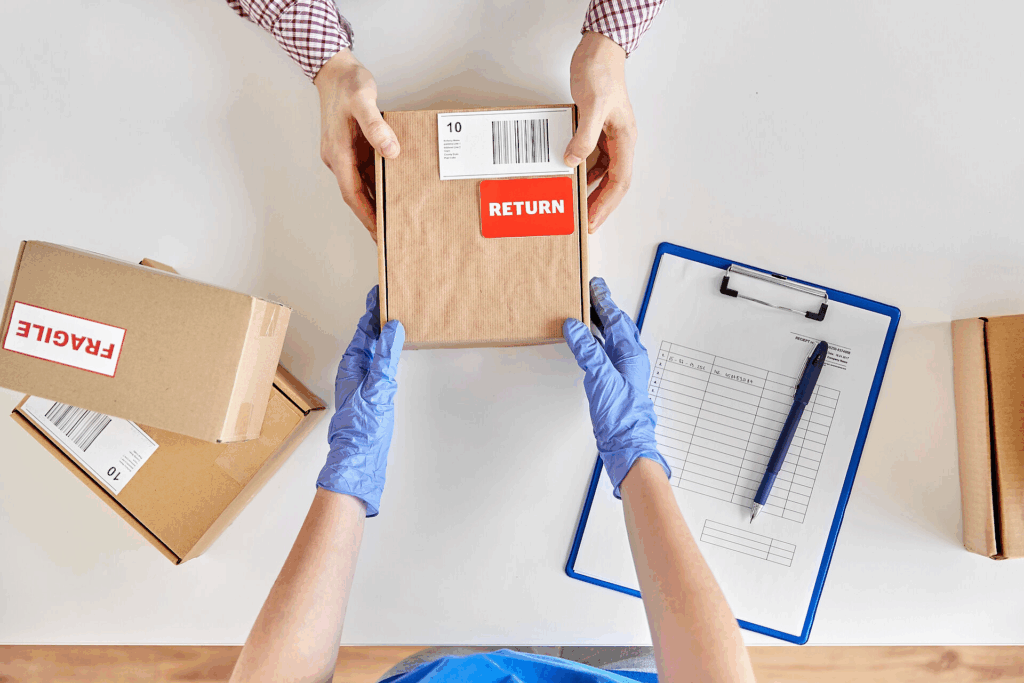
It also prevents losses. Carriers locate misplaced items quickly. Furthermore, it supports returns and refunds.
For businesses, it enhances customer service. Satisfied buyers leave positive reviews. Thus, sales grow.
3.2 Common Challenges and Solutions
Sometimes, updates lag due to remote areas. However, premium services offer faster scans.
Customs holds can cause delays. You check the status regularly to stay informed. Additionally, fake numbers pose risks—verify with official sites.
Technical glitches happen rarely. Restart your app or contact support. So, proactive steps resolve issues.
3.3 Tips for Effective Use
Follow these steps to maximize your international tracking number:
- Enter it correctly on the carrier’s site.
- Set up notifications for key updates.
- Use aggregator tools like seguimiento de paquetes postales for multi-carrier tracking.
- Keep records of shipment details.
These habits save time. Moreover, they ensure accuracy.
4. Real-World Applications in Global Logistics
Companies rely on the tracking number daily. It powers supply chains worldwide. Let’s see how.
4.1 In E-Commerce
Online stores like Amazon use it for cross-border sales. Customers track from China to the US seamlessly. As a result, repeat business increases.
Sellers monitor inventory movement. For example, they adjust stock based on transit times.
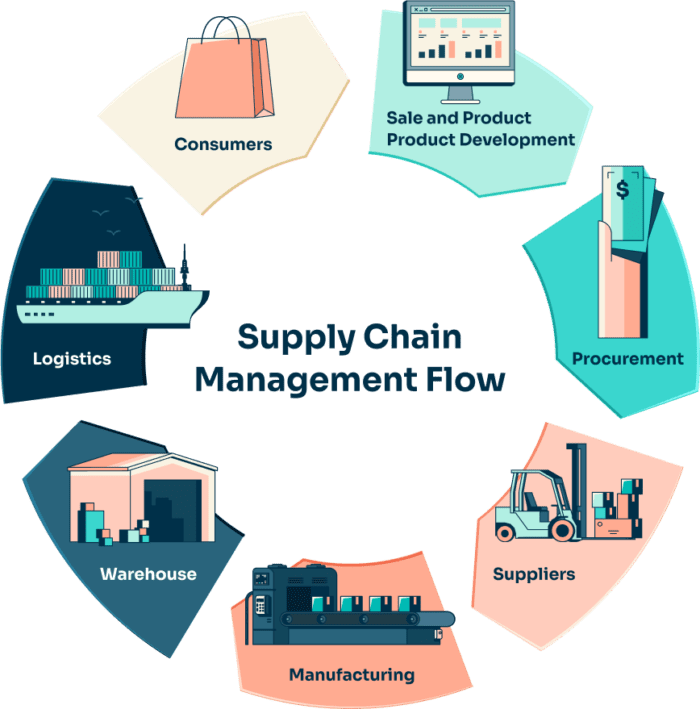
4.2 In Supply Chain Management
Manufacturers ship parts globally. The tracking number coordinates arrivals. Thus, production stays on schedule.
Logistics firms optimize routes using data. Additionally, it helps in risk management during disruptions.
4.3 Future Trends
IoT devices will enhance tracking. Drones and autonomous vehicles integrate the international tracking number. Furthermore, sustainability tracking emerges.
Regulations may standardize formats. So, global harmony improves.

FAQs: Common Questions About Tracking Numbers
Here are five frequent questions users ask. Each comes with a clear answer.
What If My Tracking Number Stops Updating?
Updates halt due to customs or carrier backlogs. Check after 24-48 hours. Contact the carrier if it persists.
How Do I Verify If a Tracking Number Is Real?
Enter it on the official carrier website. Fake ones won’t show data. Avoid third-party sites first.
Can I Track Multiple Tracking Numbers at Once?
Yes, use apps like Postalparcel Tracking. They consolidate updates from various carriers.
What Happens If Customs Rejects My Package with an Tracking Number?
The carrier notifies you. Provide required documents. It returns to the sender if unresolved.
Is There a Universal Tracking Number System?
No, each carrier has its own. However, UPU standards guide postal services worldwide.
Conclusión
In summary, an número de seguimiento internacional simplifies global shipping for everyone. It connects senders, carriers, and receivers easily. Next time you ship overseas, use it confidently. Stay informed and enjoy hassle-free deliveries.

Perspectivas del sector

noticias vía inbox
Nulla turp dis cursus. Integer liberos euismod pretium faucibua