
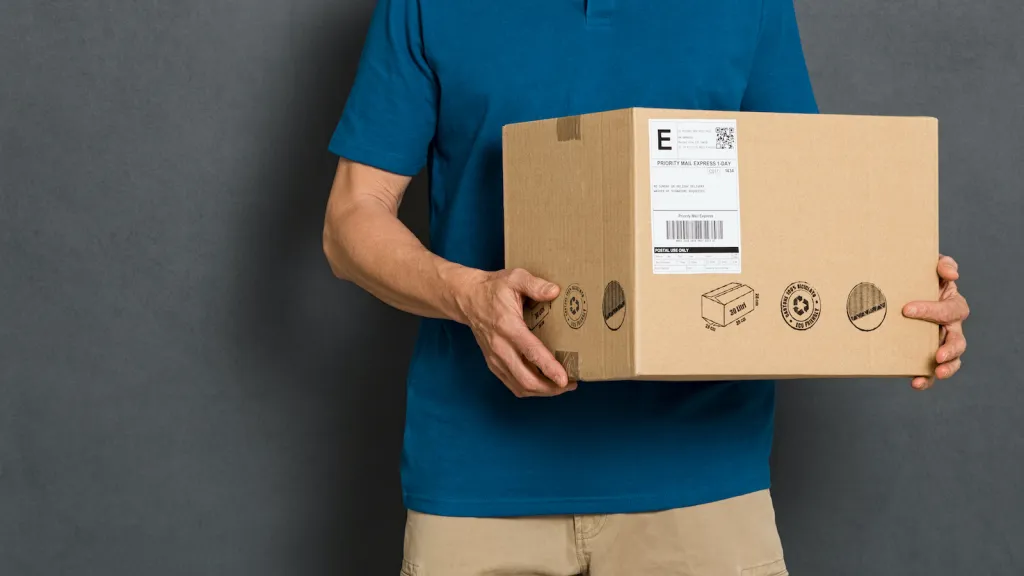
Formats et types de numéros de suivi international : Différences entre USPS, DHL et FedEx
Envoyer un colis à l'autre bout du monde peut être un peu effrayant. Vous voulez savoir exactement où se trouve votre boîte à tout moment. C'est pourquoi toutes les grandes sociétés de transport utilisent un ensemble spécial de chiffres et de lettres. Nous appelons cela un numéro de suivi international. Il agit comme un passeport numérique pour vos biens.
Cependant, toutes les entreprises n'utilisent pas le même style. Si vous regardez une étiquette de USPS, Il est très différent d'un envoi par FedEx ou DHL. Dans ce guide, nous vous montrerons comment lire ces codes. De plus, vous apprendrez à les différencier afin de ne plus jamais vous tromper.
Table des matières
1. La norme mondiale pour les formats de suivi
La plupart des gens ne savent pas qu'il existe un système mondial pour le courrier. L'Union postale universelle (UPU) a créé un format spécifique que de nombreux bureaux de poste nationaux respectent. Cette norme permet aux différents pays de communiquer entre eux. Lorsqu'un colis passe des États-Unis à la France, les systèmes doivent reconnaître le code.
En général, ces codes standard se composent de 13 caractères. Ils commencent par deux lettres, se poursuivent par neuf chiffres et se terminent par deux autres lettres. Par exemple, un code peut ressembler à “EE123456789US”. Cette structure indique au postier le type de service que vous avez payé.
1.1 Comprendre la norme S10
L'UPU appelle cette disposition spécifique de 13 caractères la norme S10. La première lettre indique généralement le type de courrier. Par exemple, “R” signifie courrier recommandé, tandis que “E” représente Express. Par conséquent, si votre numéro de suivi international commence par “C”, il s'agit probablement d'un colis standard.
1.2 Le rôle des codes pays
Les deux dernières lettres sont très importantes. Elles représentent le pays où le colis a commencé son voyage. “US” signifie qu'il provient des États-Unis, et “GB” indique la Grande-Bretagne. Il est donc possible d'identifier l'origine d'un colis simplement en regardant la fin de la chaîne.
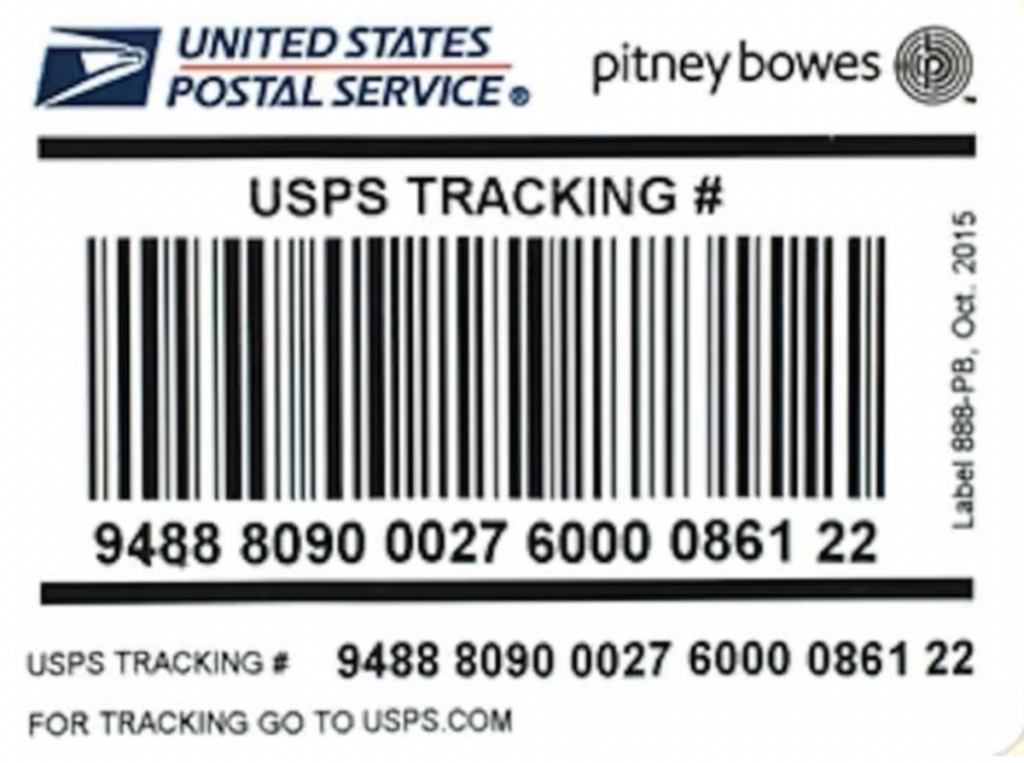
2. Formats de suivi USPS International
Le service postal des États-Unis (USPS) respecte strictement les normes de l'UPU pour la plupart des envois internationaux. Comme ils travaillent avec les bureaux de poste locaux dans d'autres pays, ils doivent rester compatibles. Si vous utilisez USPS, votre numéro de suivi international aura presque toujours cette apparence de 13 caractères.
Toutefois, le service spécifique que vous choisissez modifie le préfixe. Global Express Guaranteed est traité différemment de First-Class Package International. Comprendre ces nuances vous permet de gérer vos attentes en matière de rapidité de livraison.
2.1 Priority Mail Express vs. First-Class
Priority Mail Express International commence généralement par “E”. Cela signifie que le colis est hautement prioritaire. En revanche, les colis First-Class commencent souvent par “L” ou “U”. Notamment, les codes “U” offrent parfois un suivi limité une fois que le colis a quitté les États-Unis.
2.2 Pourquoi les codes USPS changent-ils de statut ?
Il arrive qu'un code USPS cesse d'être mis à jour pendant quelques jours. Cela se produit généralement lorsque le colis est en douane. En outre, dès que le colis entre dans un nouveau pays, le bureau de poste local prend le relais. Malgré cela, le code numéro de suivi international reste le principal moyen de trouver votre boîte.
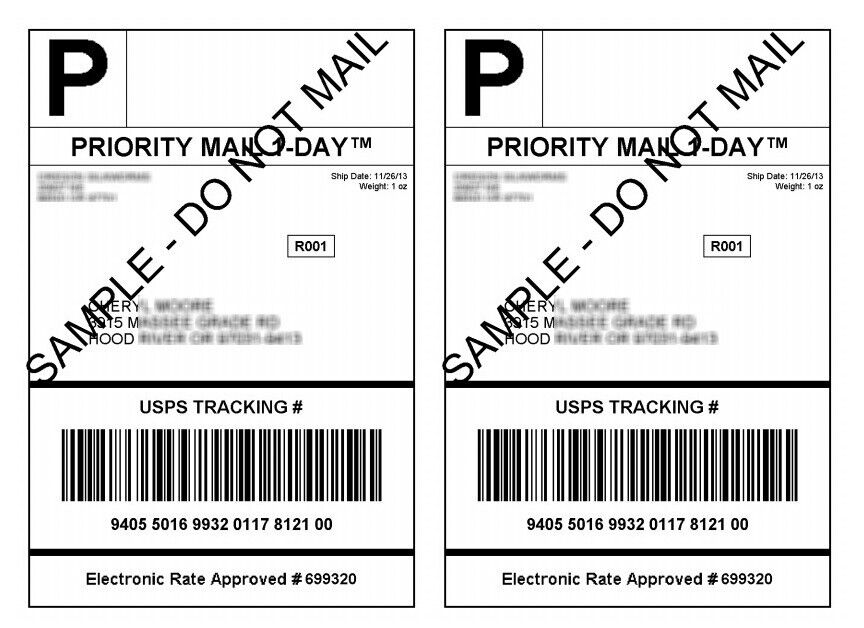
3. Spécificités du suivi DHL Express
DHL est une entreprise privée et non un bureau de poste national. Elle n'est donc pas tenue de respecter la règle des 13 caractères de l'UPU. La plupart des envois DHL Express utilisent un système numérique. Les étiquettes sont donc plus nettes, mais aussi très différentes d'un timbre standard.
DHL met l'accent sur la rapidité et l'intégration poussée. Parce qu'elle possède ses propres avions et plates-formes, son suivi est souvent beaucoup plus détaillé que celui des services postaux. Vous le verrez chaque fois qu'une personne scanne la boîte dans un entrepôt.
3.1 La lettre de voiture à 10 chiffres
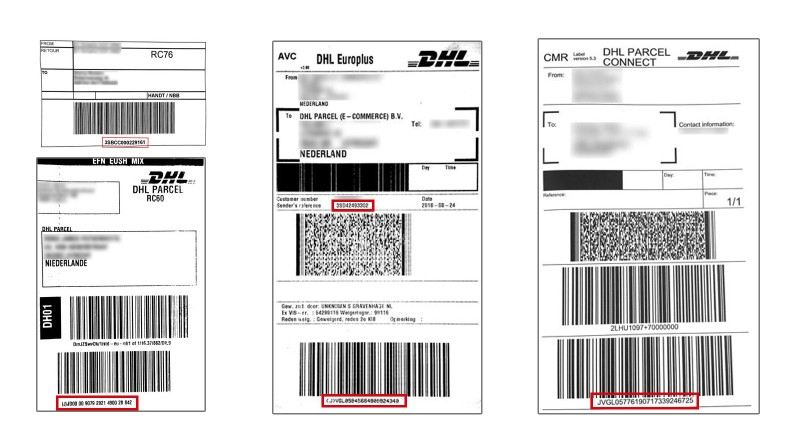
Le format le plus courant pour un envoi DHL Express numéro de suivi international est un code numérique à 10 chiffres. Il peut ressembler à “1234567890”. Certains l'appellent le “numéro de la lettre de voiture”. Contrairement à USPS, il n'y a pas de lettres à la fin pour indiquer le pays d'origine.
3.2 DHL Global Mail (commerce électronique)
Il est important de noter que DHL a deux divisions différentes. DHL Express utilise 10 chiffres. Cependant, DHL Ecommerce utilise souvent des codes plus longs qui commencent par “GM” ou “LY”. Ces codes sont parfois plus longs, atteignant jusqu'à 20 caractères. Par conséquent, vous devez savoir quel service vous utilisez pour trouver la bonne page de suivi.
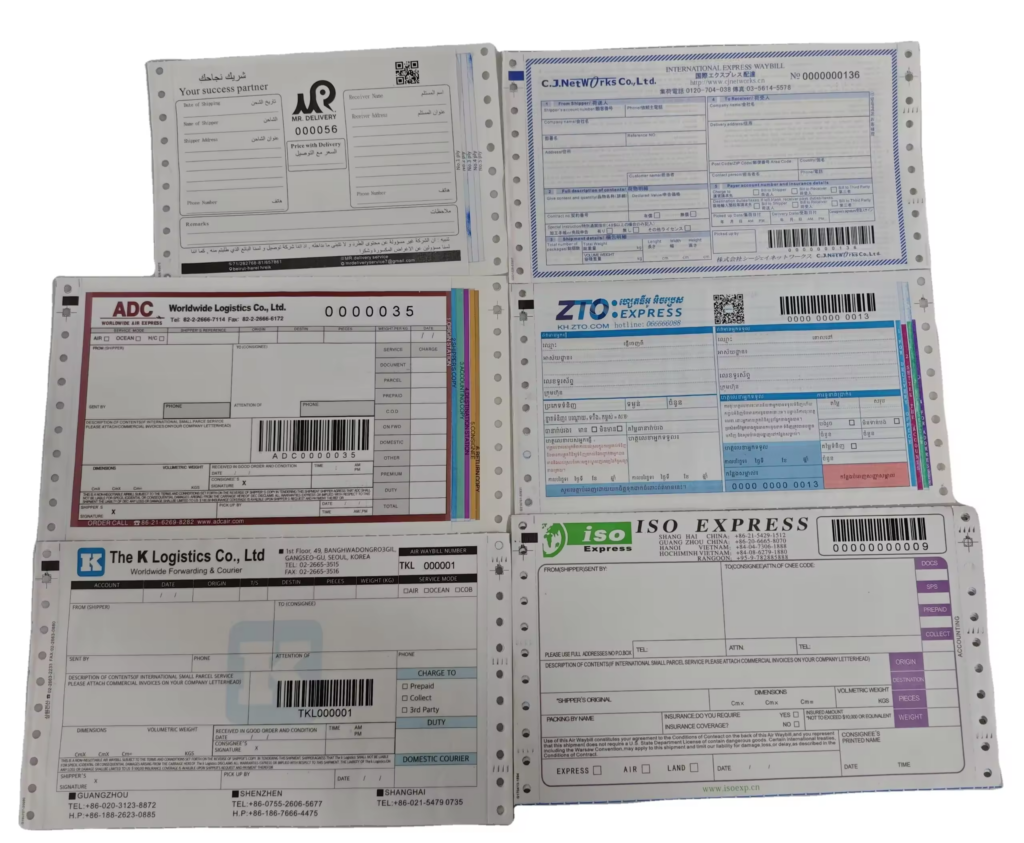
4. Structure de suivi de FedEx International
FedEx opère également en tant que transporteur mondial privé. Tout comme DHL, FedEx préfère utiliser des chiffres plutôt que des lettres. Son système est conçu pour l'expédition de gros volumes et la logistique rapide. Lorsque vous recevez un colis FedEx numéro de suivi international, Il s'agit généralement d'une chaîne de 12 ou 15 chiffres.
Le suivi de FedEx est réputé pour être très précis. Il fournit des mises à jour “en temps réel” parce qu'il contrôle l'ensemble du trajet. Vous pouvez voir la minute exacte à laquelle le chauffeur récupère le colis à la porte de l'expéditeur.
4.1 Format FedEx Express à 12 chiffres
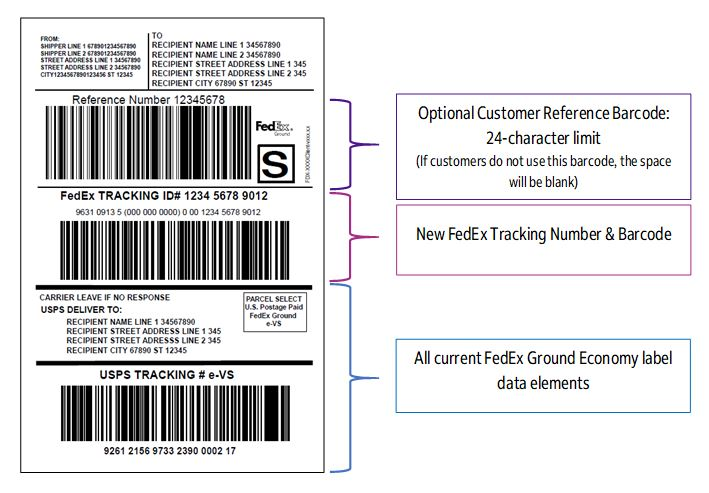
Pour la majorité des envois aériens internationaux, FedEx utilise un numéro à 12 chiffres. Par exemple, “987654321012”. Ce code est propre à votre envoi spécifique. Par ailleurs, FedEx Ground (qui gère une partie du commerce international en Amérique du Nord) peut utiliser un numéro à 15 chiffres.
4.2 FedEx Ground et l'économie internationale
Parfois, FedEx utilise des numéros encore plus longs pour les services économiques. Ces numéros peuvent comporter 20 ou 22 chiffres. Bien que les numéros soient longs, le système fonctionne de la même manière. Vous entrez le numéro de suivi international sur leur site web pour voir l'évolution de la situation.
5. Principales différences entre la poste et les transporteurs privés
Le choix entre USPS et une entreprise privée comme FedEx ou DHL dépend de vos besoins. Les numéro de suivi international reflète le type de technologie utilisé par chaque entreprise. Les codes postaux sont destinés à une large compatibilité, tandis que les codes privés sont conçus pour la vitesse interne.
5.1 Granularité du suivi
Les transporteurs privés offrent généralement plus de “scans”. Vous verrez des mises à jour telles que “arrivé au centre de tri” ou “dédouané” beaucoup plus rapidement. En revanche, les services postaux n'effectuent des mises à jour que lorsque le colis se déplace d'une ville à l'autre.
5.2 Traitement douanier
DHL et FedEx s'occupent généralement eux-mêmes des formalités douanières. Cela signifie que les numéro de suivi international indique clairement la procédure de dédouanement. USPS s'en remet aux agents des douanes du pays de destination, ce qui peut parfois entraîner des “périodes sombres” au cours desquelles aucune mise à jour n'apparaît.
6. Comment résoudre un problème de mise à jour manquante ?
Il est courant qu'un numéro de suivi international d'arrêter de bouger pendant une courte période. Ne paniquez pas si cela se produit. Il y a plusieurs raisons logiques pour lesquelles un code peut ne pas être actualisé tous les jours.
- Retards douaniers : C'est la raison la plus fréquente. Les agents doivent vérifier le contenu et les documents.
- Points de transfert : Si un colis passe d'un avion à un camion, il se peut qu'il ne soit pas scanné avant 48 heures.
- Météo : Les grosses tempêtes peuvent arrêter les avions, ce qui entraîne une pause dans les données de suivi.
Si votre code n'a pas été mis à jour dans les cinq jours ouvrables, vous devez contacter le transporteur. Demandez à votre numéro de suivi international prêt lorsque vous appelez afin qu'ils puissent vous aider rapidement.
FAQ
FAQ 1 : Puis-je suivre un colis USPS sur le site Internet de DHL ?
Réponse : Non. Chaque transporteur utilise son propre système interne. Vous devez utiliser le site web de l'entreprise qui a délivré le numéro de suivi international. Toutefois, certains sites de suivi “tout-en-un” peuvent obtenir des données de plusieurs transporteurs à la fois.
FAQ 2 : Pourquoi mon numéro de suivi comporte-t-il 22 chiffres ?
Réponse : Les numéros très longs appartiennent généralement aux services “Economy” ou “E-commerce”. FedEx et DHL les utilisent pour des envois moins chers et plus lents. Ces codes renvoient souvent à des partenaires de livraison locaux dans le pays destinataire.
FAQ 3 : Que signifie l'expression “en transit” ?
Réponse : Ce statut signifie que votre colis est en cours de transport. Il peut être à bord d'un avion, d'un bateau ou d'un camion. Cela signifie simplement qu'il a quitté le dernier point de contrôle, mais qu'il n'est pas encore arrivé au prochain.
FAQ 4 : Le numéro de lettre de voiture est-il le même que le numéro de suivi ?
Réponse : Oui. Dans le monde de l'expédition privée (comme DHL et FedEx), les termes sont utilisés de manière interchangeable. Ils font tous deux référence à l'unique numéro de suivi international utilisé pour identifier votre envoi.
FAQ 5 : Pourquoi mon numéro de suivi USPS se termine-t-il par “US” ?
Réponse : La mention “US” indique que le colis provient des États-Unis. Ceci est conforme à la norme postale internationale S10, qui exige un code de pays à deux lettres à la fin de la séquence.
Conclusion
Comprendre les différents formats d'un numéro de suivi international facilite grandement l'expédition. Que vous utilisiez le style postal à 13 caractères de l'USPS ou les codes numériques de DHL et FedEx, l'objectif est le même. Ces numéros vous permettent d'avoir l'esprit tranquille et vous aident à planifier votre livraison. Conservez toujours votre reçu en lieu sûr et consultez la page de suivi tous les deux ou trois jours. En sachant lire ces codes, vous pouvez garder le contrôle de vos envois internationaux. Si vous avez un code en main, essayez d'identifier son format en vous basant sur ce que vous avez appris aujourd'hui !


Aperçu de l'industrie


nouvelles via la boîte de réception
Nulla turp dis cursus. Integer liberos euismod pretium faucibua