Formats et types de numéros de suivi international : Différences entre USPS, DHL et FedEx
Sending a package across the world can feel a bit scary. You want to know exactly where your box is at all times. This is why every big shipping company uses a special set of numbers and letters. We call this an numéro de suivi international. It acts like a digital passport for your goods.
However, not every company uses the same style. If you look at a label from USPS, it looks very different from one by FedEx or DHL. In this guide, we will show you how to read these codes. Furthermore, you will learn how to tell them apart so you never get confused again.
Table des matières
1. The Global Standard for Tracking Formats
Most people do not realize that there is a global system for mail. The Universal Postal Union (UPU) created a specific format that many national post offices follow. This standard helps different countries talk to each other. When a package moves from the USA to France, the systems must recognize the code.
Generally, these standard codes consist of 13 characters. They start with two letters, follow with nine numbers, and end with two more letters. For example, a code might look like “EE123456789US.” This structure tells the postal worker exactly what kind of service you paid for.
1.1 Comprendre la norme S10
The UPU refers to this specific 13-character layout as the S10 standard. The first letter usually indicates the type of mail. For instance, “R” stands for Registered mail, while “E” represents Express. Consequently, if your numéro de suivi international starts with “C,” it likely means a standard parcel.
1.2 Le rôle des codes pays
The last two letters are very important. They represent the country where the package started its journey. “US” means it came from the United States, and “GB” points to Great Britain. Therefore, you can identify the origin of a package just by looking at the end of the string.
2. Formats de suivi USPS International
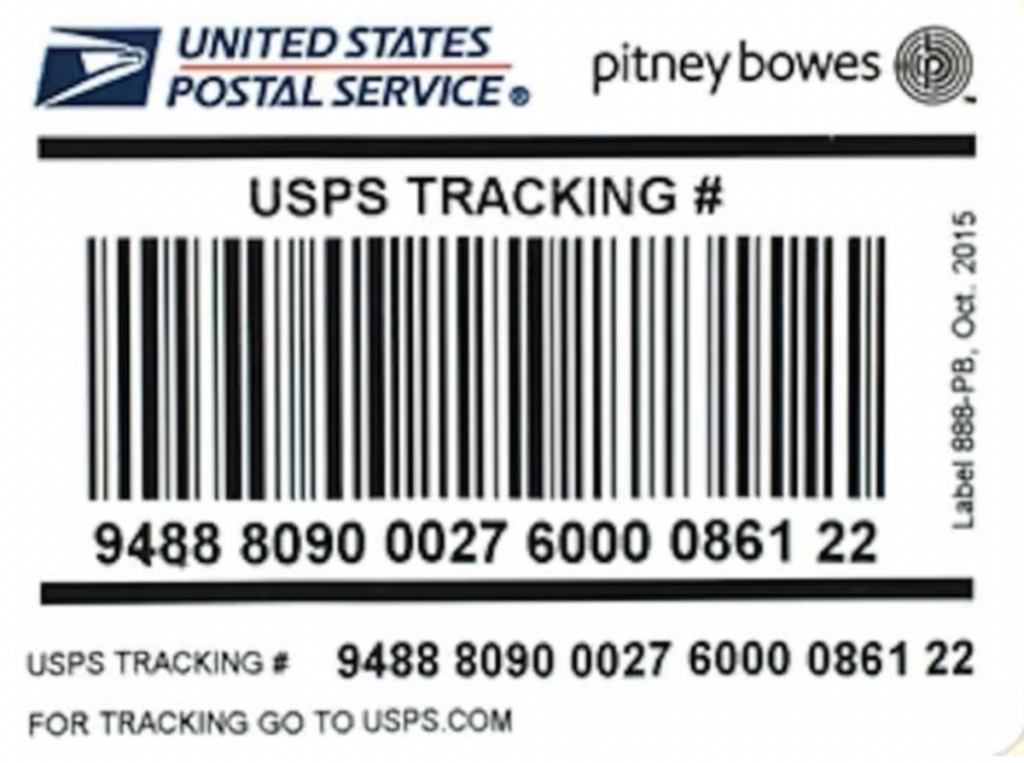
The United States Postal Service (USPS) strictly follows the UPU standards for most international shipments. Because they work with local post offices in other countries, they must stay compatible. If you use USPS, your numéro de suivi international will almost always have that 13-character look.
However, the specific service you choose changes the prefix. Global Express Guaranteed is handled differently from First-Class Package International. Understanding these nuances helps you manage your expectations regarding delivery speed.
2.1 Priority Mail Express vs. First-Class
Priority Mail Express International usually starts with “E.” This signifies that the package has a high priority. On the other hand, First-Class packages often start with “L” or “U.” Notably, “U” codes sometimes offer limited tracking once the package leaves the United States.
2.2 Why USPS Codes Change Status
Sometimes, a USPS code stops updating for a few days. This usually happens when the package is sitting in customs. Furthermore, once it enters a new country, the local post office takes over. Even so, the original numéro de suivi international remains the primary way to find your box.
3. Spécificités du suivi DHL Express
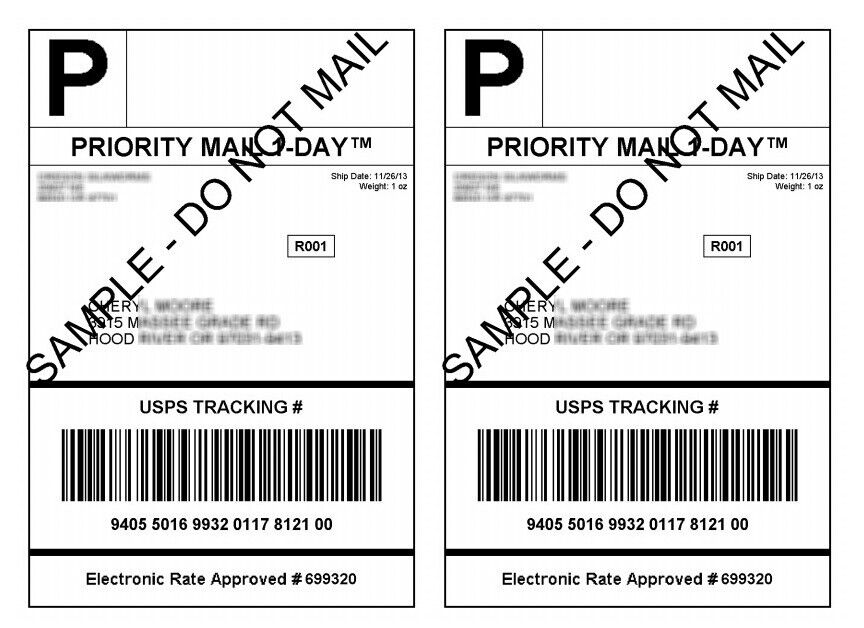
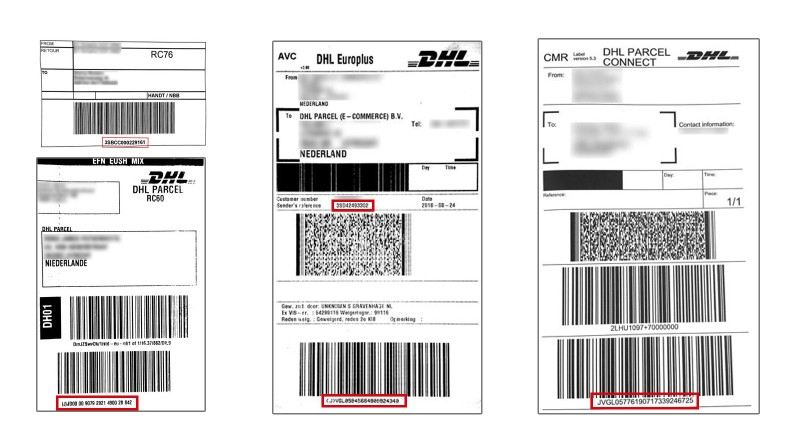
DHL is a private company, not a national post office. Therefore, they do not have to follow the UPU 13-character rule. Most DHL Express shipments use a numeric system. This makes their labels look much cleaner but also very different from a standard stamp.
DHL focuses on speed and heavy integration. Because they own their own planes and hubs, their tracking is often much more detailed than that of postal services. You will see every time a person scans the box in a warehouse.
3.1 La lettre de voiture à 10 chiffres
The most common format for a DHL Express numéro de suivi international is a 10-digit numeric code. It might look like “1234567890.” Some people call this the “Waybill number.” Unlike USPS, there are no letters at the end to tell you the country of origin.
3.2 DHL Global Mail (commerce électronique)
It is important to note that DHL has two different divisions. DHL Express uses 10 digits. However, DHL Ecommerce often uses longer codes that start with “GM” or “LY.” These codes are sometimes longer, reaching up to 20 characters. Consequently, you must know which service you are using to find the right tracking page.
4. FedEx International Tracking Structure
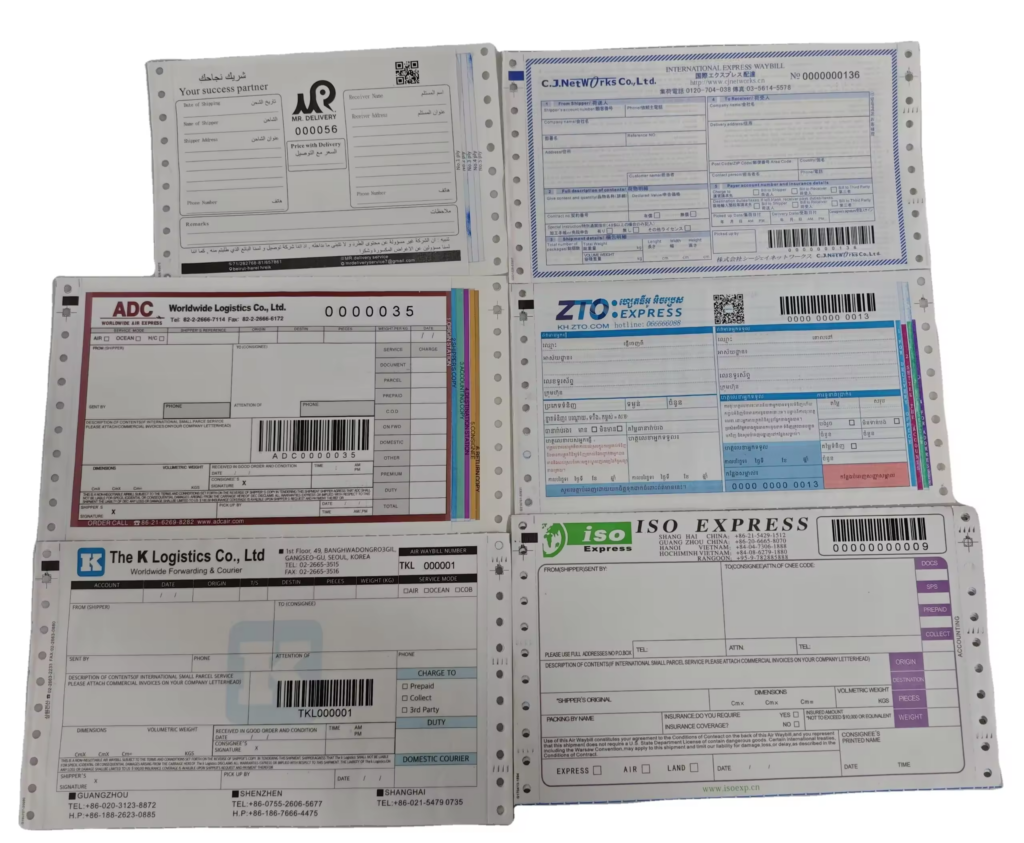
FedEx also operates as a private global carrier. Much like DHL, they prefer using numbers over letters. Their system is designed for high-volume shipping and fast logistics. When you receive a FedEx numéro de suivi international, it is usually a 12-digit or 15-digit string.
FedEx tracking is famous for being very accurate. They provide “real-time” updates because they control the entire journey. You can see the exact minute the driver picks up the package from the sender’s door.
4.1 FedEx Express 12-Digit Format
For the majority of international air shipments, FedEx uses a 12-digit number. For example, “987654321012.” This code is unique to your specific shipment. Furthermore, FedEx Ground (which handles some North American international trade) might use 15 digits.
4.2 FedEx Ground et l'économie internationale
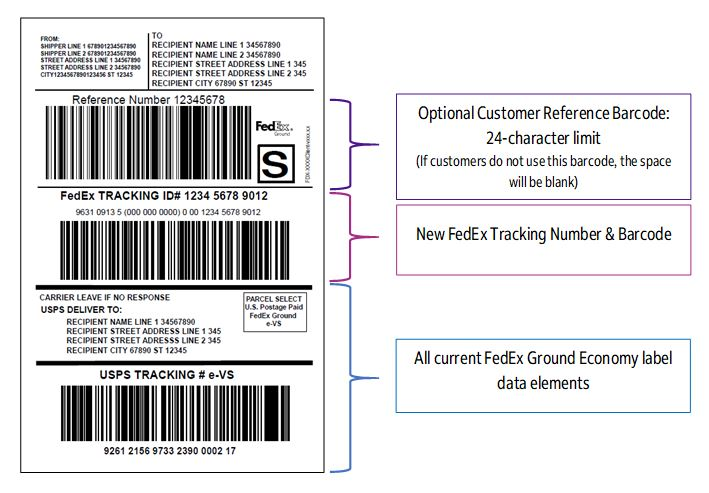
Sometimes, FedEx will use even longer numbers for economy services. These can be 20 or 22 digits long. While the numbers are long, the system works the same way. You enter the numéro de suivi international into their website to see the progress.
5. Principales différences entre la poste et les transporteurs privés
Choosing between USPS and a private company like FedEx or DHL depends on your needs. The numéro de suivi international reflects the type of technology each company uses. Postal codes are meant for broad compatibility, while private codes are built for internal speed.
5.1 Granularité du suivi
Private carriers generally offer more “scans.” You will see updates like “arrived at sort facility” or “cleared customs” much faster. In contrast, postal services might only update when the package moves between major cities.
5.2 Customs Handling
DHL and FedEx usually handle customs themselves. This means the numéro de suivi international will show the customs process clearly. USPS relies on the customs agents of the destination country, which can sometimes lead to “dark periods” where no updates appear.
6. How to Troubleshoot a Missing Update
It is common for an numéro de suivi international to stop moving for a short time. Do not panic if this happens. There are several logical reasons why a code might not refresh every day.
- Customs Delays: This is the most common reason. Agents must check the contents and paperwork.
- Transfer Points: If a package is moving from a plane to a truck, it might not be scanned for 48 hours.
- Weather: Large storms can stop planes, leading to a pause in the tracking data.
If your code has not been updated in five business days, you should contact the carrier. Have your numéro de suivi international ready when you call so they can help you quickly.
FAQ
FAQ 1 : Puis-je suivre un colis USPS sur le site Internet de DHL ?
Réponse : No. Each carrier uses its own internal system. You must use the website of the company that issued the numéro de suivi international. However, some “all-in-one” tracking sites can pull data from multiple carriers at once.
FAQ 2: Why does my tracking number have 22 digits?
Réponse : Very long numbers usually belong to “Economy” or “E-commerce” services. Both FedEx and DHL use these for cheaper, slower shipping. These codes often link to local delivery partners in the final country.
FAQ 3: What does “In Transit” actually mean?
Réponse : This status means your package is currently on a move. It could be on a plane, a ship, or a truck. It simply means it has left the last scan point but hasn’t arrived at the next one yet.
FAQ 4 : Le numéro de lettre de voiture est-il le même que le numéro de suivi ?
Réponse : Yes. In the world of private shipping (like DHL and FedEx), the terms are used interchangeably. Both refer to the unique numéro de suivi international used to identify your shipment.
FAQ 5: Why did my USPS tracking number end in “US”?
Réponse : The “US” indicates that the package originated in the United States. This follows the international S10 postal standard, which requires a two-letter country code at the end of the sequence.
Conclusion
Understanding the different formats of an numéro de suivi international makes shipping much easier. Whether you are using the 13-character postal style of USPS or the numeric codes of DHL and FedEx, the goal is the same. These numbers give you peace of mind and help you plan for your delivery. Always keep your receipt safe and check the tracking page every few days. By knowing how to read these codes, you can stay in control of your global shipments. If you have a code right now, try to identify its format based on what you learned today!
Aperçu de l'industrie


nouvelles via la boîte de réception
Nulla turp dis cursus. Integer liberos euismod pretium faucibua