
International Tracking for Returns: How to Stop Refund Leakage and “Empty Box” Claims
International Tracking for Returns is the fastest way to reduce refund leakage, because it replaces guesswork with scan events, weight checkpoints, and warehouse proof. If you can show where the return parcel was, when it moved, and what arrived, you stop paying refunds for parcels that never contained the item.
1 What refund leakage really is in International Tracking for Returns

Refund leakage means you refund money when you should not, or you refund too early. In cross-border returns, the most common reasons are:
- Refund issued before the return gets a first carrier scan
- Tracking says delivered, but it is unclear who received it
- Buyer sends the wrong item and still asks for a full refund
- Label reuse (one label used for multiple returns)
- “Empty box” claims with no proof on either side
The pattern is consistent: return identity, tracking, and evidence are not connected.
2 Why “empty box” claims succeed
Many merchants lose empty box disputes for one simple reason: there is no chain of custody.
Typical gaps:
- No drop-off weight at the first scan point
- No warehouse inbound weight
- No intake photos tied to the tracking number
- “Delivered” scan without a clear return receiving event
- Returns pass through multiple partners, but the evidence stays fragmented
If you build a basic proof stack, most false claims become easy to reject.
3 The Return Proof Stack (simple, scalable)
You do not need a complex system to start. You need three controls that work together.
3.1 Bind tracking to the RMA (non-negotiable)
Every return must have:
- RMA / return ID
- Tracking number bound to that RMA
- Order ID + SKU list
- Return reason code
If the tracking number is not bound to the return ID, you cannot prove anything in a dispute.
3.2 Add two weight checkpoints
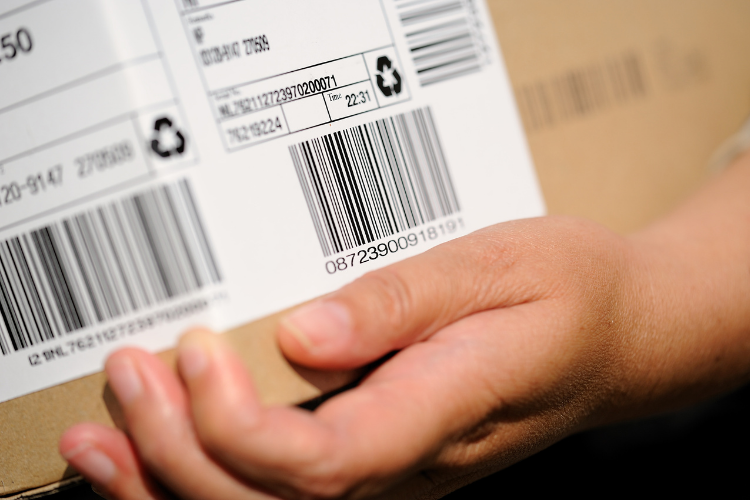
Weight is the fastest “truth signal” for empty box claims.
Minimum checkpoints:
- Carrier acceptance weight (closest to customer drop-off)
- Warehouse inbound weight (closest to your control)
How it helps:
- If acceptance weight is near “packaging only,” the return likely had no item.
- If acceptance weight looks correct but inbound weight drops, tampering likely happened in transit.
You can use rough weight bands per category (small accessory vs shoes vs jacket). Per-SKU perfection is not required to get value.
3.3 Take intake photos in a fixed format
Standardize four photos at receiving:
- Label close-up (tracking visible)
- Full box/bag (all sides if possible)
- Opened top view (contents visible)
- Item close-up (SKU/serial if available)
This takes under one minute once the team is trained, and it changes dispute outcomes.
4 Refund rules that stop leakage without hurting good customers
Tracking and proof only matter if your refund policy uses them.
4.1 Use staged refunds based on milestones
A practical model:
- Stage A: Return created (label issued)
No refund yet. - Stage B: First carrier scan
Optional: partial refund/store credit for low-risk items. This reduces support pressure. - Stage C: Received + verified in warehouse
Full refund to original payment method.
This prevents “refund first, verify later.”
4.2 Define an “empty box” decision path
When evidence suggests an empty box:
- Pause refund and flag the case
- Ask for drop-off receipt or counter proof (if available)
- Commit to a decision timeline (example: 3–5 business days)
- Decide using your proof stack:
- no acceptance weight + no item evidence = deny or partial outcome
- strong acceptance weight + inbound mismatch = claim investigation and carrier escalation
Consistency matters more than harshness.
4.3 Block label reuse and suspicious repeats
Implement simple controls:
- One label per RMA, expires in X days
- Tracking number can be used once only
- Flag multiple RMAs from the same customer within a short window
- Flag repeated “empty box” reasons
5 Return tracking events you should show to customers
A return tracking page reduces tickets only if it shows the right steps. Minimum timeline:
- Label created
- Dropped off / accepted (first scan)
- Export processed
- Import processed
- Out for delivery
- Delivered to return address
- Warehouse received
- Inspection completed
- Refund approved / refund sent
Important: do not treat “delivered” as “refundable.” Treat “verified” as refundable.
6 How PostalParcel can package this for WordPress, Shopify, and web

6.1 WordPress (WooCommerce)
- RMA created inside the order page
- Label generated and stored on the order
- Tracking timeline shown in “My Account”
- Warehouse evidence (weights/photos) stored as return attachments
- Refund automation triggers only after “verified”
6.2 Shopify
- RMA tied to order ID
- Webhooks update milestones (first scan, delivered, received, verified)
- Refund rules enforce “verified before refund”
6.3 Web portal
- Order lookup (email + order number)
- RMA creation + label download
- Tracking + refund status in one page
- Evidence upload flow for exceptions (receipt/photo)
7 A quick rollout checklist
Operational:
- Add an inbound scale and store inbound weight per return
- Train a 4-photo intake routine
- Define exception rules for unboxing video (high value, weight mismatch, repeat claims)
Policy:
- Staged refunds
- Clear “delivered vs verified” definitions
- Label expiry and single-use enforcement
KPIs:
- % refunds issued before first scan (target: near zero)
- Empty box claim rate
- Dispute win rate
- Tickets per 100 returns
FAQs

1) What is the best proof to stop “empty box” return claims?
The most effective proof stack is carrier acceptance weight + warehouse inbound weight + intake photos tied to the same tracking number. Weight checkpoints show whether an item was likely inside, and photos confirm what arrived.
2) Is “Delivered” tracking enough to issue a refund?
No. “Delivered” only means the parcel reached an address or handoff point. A safer rule is refund after “Warehouse Received + Verified.” This prevents refunds for parcels that arrive late, misroute, or show up empty.
3) How do I reduce refund leakage without making customers angry?
Use staged refunds: no refund at label creation, optional partial credit after first scan for low-risk items, and full refund after warehouse verification. Buyers still see progress, but you keep control.
4) What if the customer says the carrier did not record weight?
Then rely on the warehouse inbound weight and intake photos, and treat the case as higher risk. For repeat issues, require counter drop-off with receipt or switch to a return method that includes acceptance scans more reliably.
5) Should we film every return opening?
No. Film only exceptions such as high-value returns, weight mismatches, damaged parcels, or repeat claim customers. This keeps labor low while protecting you where it matters.
6) How do we prevent return label reuse?
Bind each label to a single RMA + order ID, add an expiry window, and block the same tracking number from being used again. Also flag customers who generate many RMAs in a short period.
7) What are the minimum return tracking events we should display?
At minimum: label created, first scan, export/import processed, delivered, warehouse received, inspection completed, refund approved/sent. Most disputes disappear once customers can see these milestones clearly.
8 Conclusion
International Tracking for Returns stops refund leakage when you connect three things: return identity, tracking events, and proof at intake. Start with tracking-to-RMA binding, two weight checkpoints, and standard intake photos. You will see fewer empty box claims succeed, faster decisions, and far less money leaking out of refunds.



Industry Insights

news via inbox
Nulla turp dis cursus. Integer liberos euismod pretium faucibua