
What Is Real-Time Logistics Visibility and Why It Matters for Ecommerce
Real-time logistics visibility is the ability to see where an order is, what happened to it, and what will likely happen next—using live tracking events, status logic, and exception signals. Ecommerce teams rely on real-time logistics visibility to reduce “Where is my order?” tickets, prevent refund leakage, and run shipping operations with fewer surprises.
1) Real-Time Logistics Visibility: A Clear Definition

Real-time logistics visibility means more than showing a tracking number on a page. It connects shipment data from carriers, warehouses, and last-mile partners into a timeline that is accurate, timely, and usable.
1.1 What “real-time” really means
Real-time does not mean every second. It means your system updates fast enough to support action.
In ecommerce, “real-time” usually means:
- New tracking events appear within minutes of a carrier scan
- Exceptions trigger alerts the same day, not three days later
- Statuses change based on logic, not guesswork
- Teams can act before customers complain
1.2 What “visibility” includes
Visibility is a full picture, not one tracking line.
A strong visibility layer includes:
- Standardized milestone events (picked up, departed, arrived, out for delivery, delivered)
- Exception states (delay, held, address issue, return in transit)
- Location signals (facility, city, last scanned region)
- ETA logic and confidence level
- Proof of delivery signals (signature, photo, delivery point)
2) Why Ecommerce Needs Real-Time Logistics Visibility Now

Ecommerce has changed. Customers expect fast updates, and support costs keep rising. Real-time logistics visibility helps you scale without adding a large support team.
2.1 Customers do not tolerate silence
A late parcel is not always a disaster. A parcel with no updates feels like a disaster.
When tracking goes quiet, buyers assume:
- It got lost
- It was never shipped
- The seller is hiding something
A visibility layer reduces that fear by explaining what is happening in normal language.
2.2 WISMO tickets are expensive
WISMO (“Where Is My Order”) tickets eat time and profit. They also create hidden costs:
- Longer response times for real issues
- More refunds issued too early
- Higher chargeback risk during peak season
Real-time logistics visibility reduces WISMO by pushing proactive updates and clear timelines.
2.3 Cross-border shipping creates “black holes”

Cross-border routes often have gaps:
- Pre-advice created but no first scan
- Hand-off between carriers
- Customs inspection periods
- Local last-mile partner delays
Visibility does not remove these gaps, but it makes them understandable and manageable.
3) The Core Building Blocks of Real-Time Logistics Visibility
If you want real-time logistics visibility, you need a few critical components. Without them, tracking looks “alive” but it does not help operations.
3.1 Event normalization
Carriers use different words for the same thing. One carrier says “Arrived at facility,” another says “Inbound scan,” another says “Processing.”
A visibility system should map all those to a small set of standard events, such as:
- Label created
- Accepted / picked up
- Departed origin
- Arrived hub
- Customs clearance started
- Customs cleared
- Out for delivery
- Delivered
- Exception
This simplifies customer messaging and makes analytics possible.

3.2 Data freshness and latency control
A good tracking page is not only correct. It is timely.
You should measure:
- Latency: time from carrier scan to your system update
- Staleness: how long a shipment has no new events
- Coverage: how many shipments get a first scan within a target window
Once you measure these, you can fix them.
3.3 Exception detection that triggers action
Visibility matters most when something goes wrong.
Common exceptions ecommerce teams should detect automatically:
- No first scan after label created
- No movement for X hours or days (stalled)
- Customs held
- Address issue
- Delivery failed
- Delivered but customer claims not received
- Returned to sender
Real-time logistics visibility should flag these and suggest next steps.
3.4 ETA with confidence, not a fake promise
Customers want an ETA. Ops teams want a reliable one.
A useful ETA has two layers:
- Estimated delivery date range
- Confidence signal (high, medium, low)
Confidence can depend on:
- How recent the last scan is
- Whether the parcel entered the last-mile network
- Historical performance for that route and carrier
4) How Real-Time Logistics Visibility Improves Ecommerce KPIs

Visibility is not a “nice to have.” It improves measurable performance.
4.1 Lower support tickets and faster resolution
When customers see clear updates, they contact support less. When they do contact support, agents resolve faster because they can see:
- last known scan
- current exception type
- next recommended action
4.2 Fewer refunds issued too early
Refund leakage often happens when teams refund before the parcel reaches a clear milestone.
Visibility helps you set rules like:
- Do not refund before first scan unless confirmed by carrier
- Refund only after a delay threshold plus no movement
- For returns, refund after warehouse receiving scan or verified delivery
These policies feel strict, but they protect margin.
4.3 Better carrier performance management
With visibility data, you can compare carriers by:
- first-scan rate
- on-time delivery rate
- exception rate
- average delay days
- last-mile failure rate
That lets you route more volume to the better-performing partners.

4.4 Higher conversion and repeat purchases
Tracking experience impacts trust. Trust impacts repeat orders.
When buyers see clear progress, they are more likely to:
- wait through normal delays
- accept cross-border timelines
- buy again because the experience felt controlled
5) Real-Time Logistics Visibility vs Basic Tracking
Many ecommerce stores think they already have visibility because they show a tracking widget. There is a difference.
5.1 Basic tracking is “status display”
Basic tracking often has:
- one carrier source
- raw statuses
- slow updates
- no exception logic
- no customer messaging strategy
It works when shipping is simple. It breaks when volume and complexity rise.
5.2 Real-time visibility is “decision support”
Real-time logistics visibility adds:
- multi-carrier ingestion
- standardized event timeline
- exception detection
- proactive customer notifications
- rules for refunds, claims, and escalation
- analytics for operations
That is why it affects KPIs, not just UX.

6) A Practical Ecommerce Playbook: Build Visibility Without Overbuilding
Many teams overbuild too early. You can start lean and scale.
6.1 Step 1: Define your milestone events
Choose 10–14 milestones that cover 95% of shipments. Keep them consistent.
Example set:
- Label created
- Picked up
- Departed origin
- Arrived hub
- Customs started
- Customs cleared
- Handed to last mile
- Out for delivery
- Delivered
- Delivery failed
- Held / exception
- Return started
- Return delivered
6.2 Step 2: Set “silence” rules
Silence is the real enemy. Define how long is acceptable with no events.
Typical rules:
- Domestic: alert after 24–48 hours of no movement
- Cross-border: alert after 72 hours of no movement
- No first scan: alert after 24–48 hours post label
Then create actions tied to each alert.
6.3 Step 3: Build an exception workflow
Each exception should map to:
- owner (support, ops, carrier desk)
- message to customer
- next action
- escalation time
Example:
- Address issue → customer confirmation → carrier update → reattempt
6.4 Step 4: Upgrade your tracking page content
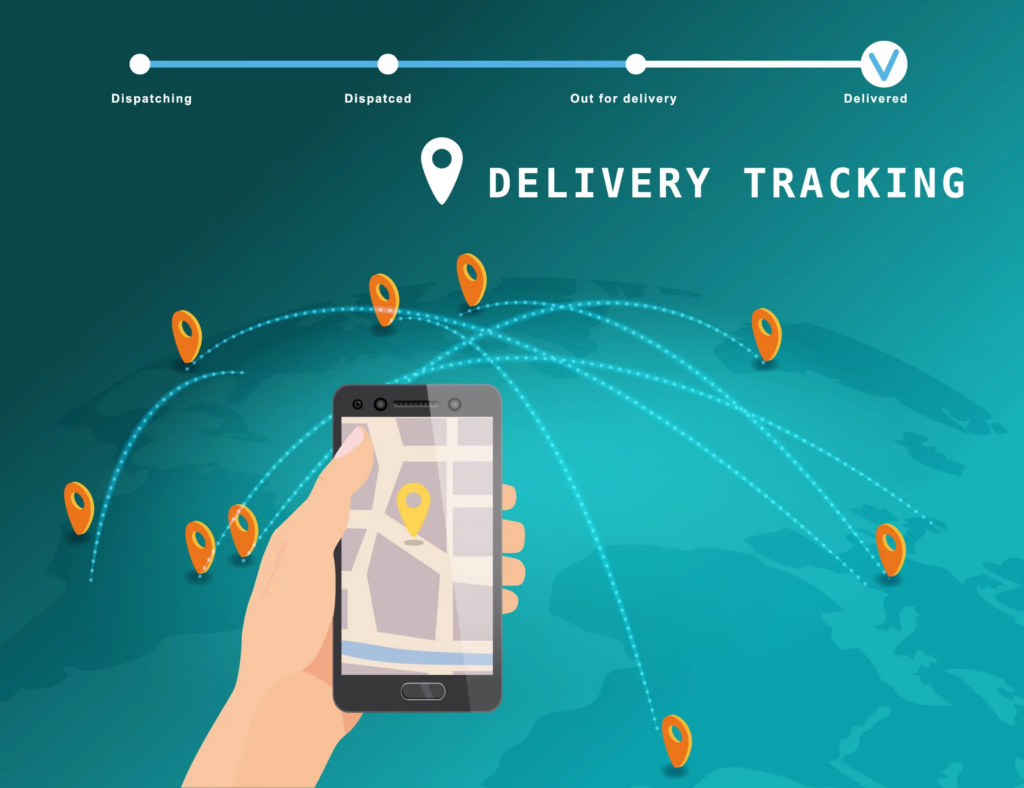
A strong tracking page should include:
- milestone timeline
- last scan location and timestamp
- “what happens next” explanation
- delivery window estimate
- clear escalation guidance (when to contact support)
Keep text simple. Use short sentences. Make it mobile-first.
7) Why Postalparcel Is Built for This Problem
Real-time logistics visibility turns shipping from a “wait and hope” process into a controlled ecommerce workflow. It helps you spot delays early, explain progress clearly, and act before WISMO tickets and refund pressure grow. When you standardize tracking events, detect exceptions, and attach simple rules for escalation, you protect both customer trust and profit. Postalparcel supports this by unifying multi-carrier tracking into one clean timeline, improving data freshness, and giving ecommerce teams practical tools to manage delays, returns, and last-mile issues with less manual work.

Industry Insights

news via inbox
Nulla turp dis cursus. Integer liberos euismod pretium faucibua