
Reverse Logistics Tracking: What to Do When Your Return Package Shows “Lost”
Table of Contents
Reverse Logistics Tracking is supposed to remove stress from returns. Yet “Lost,” “No scan,” or “In transit too long” can still happen, especially when a return moves across multiple carriers, hubs, and handoffs. The key is to act fast, collect the right evidence, and follow a clean escalation path so the carrier, merchant, and warehouse can all investigate with the same facts.
This guide explains what “lost” usually means, what to do in the first 24–72 hours, and how to prevent repeat cases with better Reverse Logistics Tracking workflows.
1. What “Lost” Really Means in Reverse Logistics Tracking
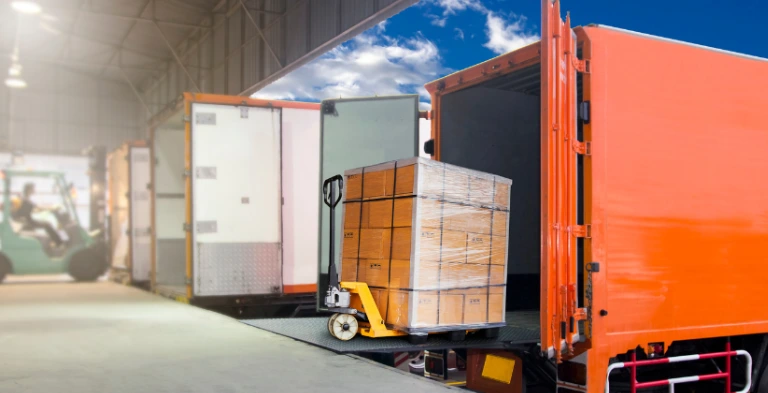
In most cases, “lost” does not mean the parcel vanished. It means tracking continuity broke.
1.1 Common reasons a return gets labeled “lost”
- Missed scans at a handoff: A bag gets transferred, but the individual package scan never posts.
- Label damage: The barcode tears, smudges, or peels. The package moves, but tracking cannot match it.
- Wrong first scan: The return label gets created, but the parcel never receives an acceptance scan.
- Sortation exception: The parcel is routed to an overgoods area due to unreadable data.
- Warehouse intake delay: The parcel arrives, but the return center takes days to open and scan.
1.2 “Lost” vs “Delayed” vs “Exception”
Use Reverse Logistics Tracking details to categorize the situation before you escalate:
- Potentially lost: No scans for a long stretch, or the tracking stops mid-route.eeds escalation.
- Delayed: Scans continue, but timing is slow.
- Exception: A clear event shows an issue (insufficient address, damaged label, refused, etc.).
2. First Checks Before You Escalate
Many “lost return” investigations fail because the basic data is inconsistent. Reverse Logistics Tracking works best when every party references the same identifiers.
2.1 Confirm the correct tracking number
- Make sure you are using the return label tracking number
- Check for a related RMA or return ID
- Confirm the carrier handling the return
Reverse Logistics Tracking often involves multiple identifiers. Mixing them causes confusion.
2.2 Identify the last scan clearly
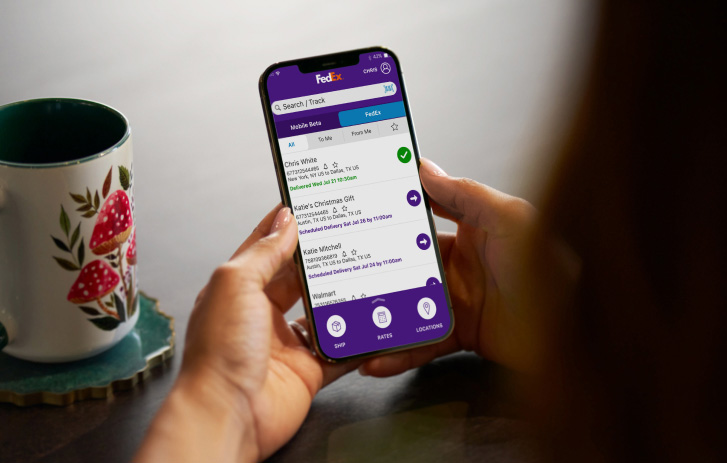
Record:
- Date and time of last scan
- Location or facility code
- Scan type (accepted, arrived, departed)
This last scan becomes the anchor for any investigation.
2.3 Watch for normal scan gaps
Short gaps can be normal due to:
- Weekends or holidays
- Transfers between carriers or return consolidators
If the gap exceeds the normal return window, move forward.
3. What to Do in the First 24–72 Hours
Timing matters. The sooner you act, the easier it is to trace the parcel.
3.1 Collect proof of drop-off
Prepare:
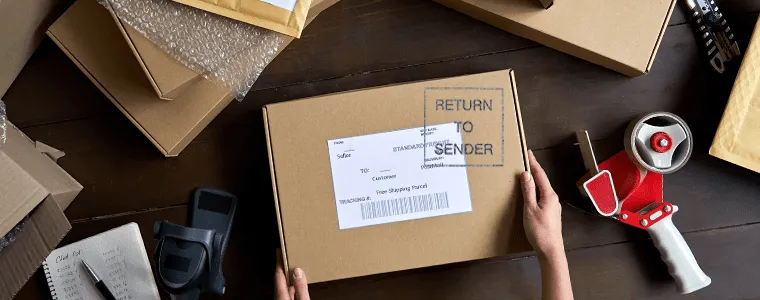
- Drop-off receipt or acceptance confirmation
- Kiosk or counter confirmation
- Photo of the package with label (if available)
Reverse Logistics Tracking disputes move faster with proof that the carrier accepted the parcel.
3.2 Check tracking on multiple systems
- Carrier website
- Merchant return portal
- Any third-party tracking dashboard
Differences between systems are common and do not always mean loss.
3.3 Identify where the return likely stalled
- No acceptance scan: never entered the network
- Accepted, then silent: stuck at origin or missed sort scan
- Delivered, no refund: warehouse intake delay
Understanding the stall point guides the next step.
4. How to Contact the Carrier Effectively
Avoid vague messages. Use scan-based language.
4.1 What to say to the carrier
- “Tracking has not updated since [date] at [facility].”
- “Please open a trace and confirm the last physical scan.”
- “Check mis-sorted and overgoods processing.”
This language matches carrier investigation workflows and improves results in Reverse Logistics Tracking cases.
4.2 Provide package details
If available, include:
- Box size and color
- Approximate weight
- Any unique markings
When labels fail, physical description helps carriers locate parcels.
5. How to Notify the Merchant Correctly
Merchants handle thousands of returns. Clear information speeds resolution.

5.1 What to include in your message
- Return tracking number
- Order ID and RMA
- Drop-off proof
- Last scan details
- Carrier case number
This creates a clean Reverse Logistics Tracking record that support teams can verify quickly.
6. Special Scenarios You Should Know
6.1 No acceptance scan at all
This is the hardest case.
- Ask the drop-off location if transaction logs exist
- Share any available confirmation with the merchant
- Explain the situation clearly and early
Prevention matters most here. Always request a receipt.
6.2 Tracking shows delivered, merchant says not received
This often happens when:
- The return goes to a third-party processing center
- Intake scanning is delayed
- The return arrived as part of a bulk shipment
Ask the merchant about intake SLAs and internal scanning delays before escalating further.
7. When Should a Return Be Considered Lost?
A practical guideline for Reverse Logistics Tracking:
- No acceptance scan: act the same day
- No scans after acceptance: escalate after a reasonable window
- Delivered but not processed: escalate once intake time exceeds policy
Do not wait too long. Claim windows can close.
8. Documentation Checklist for a Strong Case
Use this checklist to speed up any investigation:
- Tracking number (return label)
- Order ID + RMA ID
- Drop-off proof (receipt, kiosk record, photo)
- Last scan info (date/time/location/event)
- Carrier inquiry case number
- Screenshots of tracking timeline
- Package descriptors (size, weight, packaging)
A strong Reverse Logistics Tracking case is mostly documentation, not arguments.
9. Reducing Lost Returns with Better Tracking Control
Lost returns usually point to weak visibility.
9.1 How Postalparcel helps
Postalparcel improves Reverse Logistics Tracking by:
- Centralizing return tracking across carriers
- Linking RMA, order, and tracking data
- Flagging long scan gaps automatically
- Exporting clear timelines for disputes
9.2 Simple improvements you can apply
- Set alerts for “no update” thresholds
- Require proof of drop-off for returns
- Add label protection guidance for customers
- Standardize escalation templates
These steps reduce disputes and speed refunds.
10. Conclusion
A lost return package feels random, but the fix is usually systematic. Collect drop-off proof, anchor your investigation to the last scan, open the right carrier inquiry, and give the merchant a clean evidence bundle. Reverse Logistics Tracking works best when your return workflow treats documentation and scan continuity as non-negotiable.
If you want fewer disputes and faster resolution cycles, build your returns operations around stronger Reverse Logistics Tracking visibility and alerting. Postalparcel can help you standardize that process across carriers, handoffs, and return centers.

Industry Insights

news via inbox
Nulla turp dis cursus. Integer liberos euismod pretium faucibua