
Reverse Logistics Tracking turns returns from a messy cost center into a controllable process. When you can see where every return is, what condition it’s in, and what the next action should be, you spend less on support, shipping, and refunds. You also recover more value from inventory. That mix reduces return costs and lifts profits.
1. Why returns get expensive so fast
Returns rarely fail because of one big mistake. They fail because of many small leaks that add up.
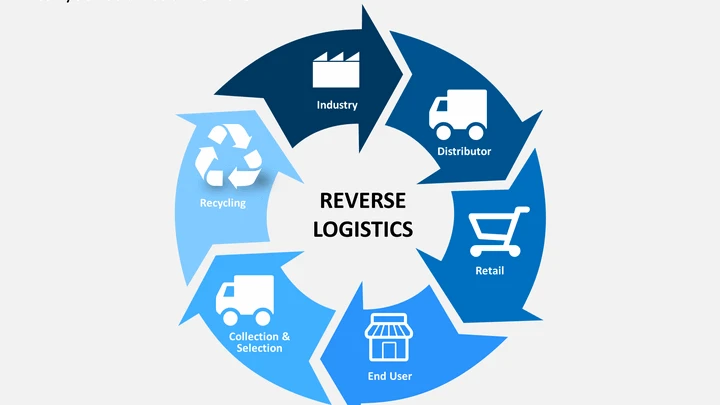
1.1 The hidden cost stack behind a single return
A “free return” often includes real costs like:
- Two-way shipping (outbound + return)
- Customer support time (WISMO-style “where is my refund?” tickets)
- Warehouse labor (receiving, inspection, restock)
- Packaging waste and repack work
- Refund leakage (refunds issued before the item comes back)
- Disputes and chargebacks when customers feel ignored
You can’t control what you can’t see. That’s where Reverse Logistics Tracking pays off.
1.2 Tracking gaps create delays and extra refunds
When tracking is missing, teams guess. Support refunds early to calm buyers. Warehouse teams wait for paperwork. Finance reconciles later. Those delays reduce recovery value and increase costs.
2. What Reverse Logistics Tracking actually means
Reverse Logistics Tracking is not just “a return label with a number.” It’s a return journey with clear milestones and reliable data.
2.1 The milestones that matter

A strong reverse flow tracks events such as:
- Return label created
- Drop-off received by carrier
- In transit to return hub
- Delivered to warehouse / 3PL
- Inspection started
- Condition graded (resellable / repair / damaged)
- Resolution completed (refund / exchange / store credit)
- Item restocked or routed to refurbishment
When your system captures these checkpoints, you speed up decisions.
2.2 The data fields that reduce chaos
Good Reverse Logistics Tracking also ties the return to:
- Order ID, SKU, and quantity
- Reason code (size, defect, changed mind)
- Customer photos or notes (optional)
- Policy rule (refund window, exceptions)
- Expected refund method and timing
That context prevents back-and-forth work.
3. How Reverse Logistics Tracking reduces return costs
Reverse Logistics Tracking cuts costs because it removes guessing and rework.
3.1 Faster decisions = lower labor cost
Returns cost more when they sit in a pile. Tracking lets you pre-plan the handling:
- You know what’s arriving today
- You can batch similar SKUs for inspection
- You can assign the right station (restock vs repair)
Teams move faster when they receive a clear “return pre-advice.”
3.2 Fewer early refunds and less refund leakage
Refund leakage happens when you refund before you confirm the item comes back. Reverse Logistics Tracking supports rules like:
- Refund after carrier scan
- Refund after delivery confirmation
- Instant store credit after drop-off scan
That still feels fast for the customer, but it protects margin.
3.3 Lower carrier spend through smarter routing
Returns shipping costs vary by route and service level. With Reverse Logistics Tracking, you can:
- Route returns to the closest hub
- Use economy services when time is not critical
- Consolidate returns to reduce processing fees
You don’t need premium speed for every return. You need the right speed.
3.4 Fewer “where is my refund?” tickets
Customers ask less when they see progress. Clear tracking updates reduce ticket volume and shorten handle time. That saves labor and keeps customers calmer.
4. How Reverse Logistics Tracking maximizes profits
Cost control matters, but profit growth comes from recovery and retention.
4.1 Higher recovery value through faster disposition
Returned inventory loses value every day it stays idle. Reverse Logistics Tracking helps you act quickly:
- Restock fast when the item is resellable
- Send to refurbishment before damage spreads
- Move “dead stock” to clearance early
Speed protects resale value.
4.2 More exchanges instead of refunds
Refunds end the sale. Exchanges keep revenue. Tracking data supports exchange-first flows:
- Offer instant exchange once the carrier scans the package
- Ship the replacement faster when return risk is low
- Use store credit when inventory is tight
That keeps customers shopping instead of leaving.
4.3 Better policies based on real return data
When you track return reasons and outcomes, you can fix root causes:
- Update size guides if “too small” spikes
- Improve packaging if “arrived damaged” rises
- Adjust product pages if expectations mismatch
That reduces future returns and protects profit.
5. A simple Reverse Logistics Tracking workflow you can actually run
You don’t need a complex system to start. You need consistency.

5.1 Step-by-step setup
- Define return milestones you will track (keep it to 6–10 events).
- Standardize reason codes (size, defect, wrong item, changed mind).
- Connect carriers or use a multi-carrier layer to avoid blind spots.
- Generate return labels with rule-based routing (region, SKU type, value).
- Set refund triggers (scan-based, delivered-based, inspected-based).
- Build a return dashboard for ops + support + finance.
- Automate customer updates at each milestone.
Reverse Logistics Tracking works best when each team reads the same status story.
5.2 The KPIs that show real savings
Track these weekly:
| KPI | Why it matters | What “better” looks like |
|---|---|---|
| Cost per return | Shows total return spend | Down over time |
| Days to close a return | Drives resale value | Shorter cycle |
| Refund leakage rate | Measures early refund risk | Lower leakage |
| Exchange rate | Protects revenue | Higher exchanges |
| Restock rate | Recovers inventory value | Higher restock |
| Ticket rate per return | Support efficiency | Fewer tickets |
Keep the dashboard simple. You can always add detail later.
6. Customer updates that prevent disputes and chargebacks
Silence triggers chargebacks. Clear updates build trust.
6.1 Use short, predictable tracking messages
Send messages at these points:
- Label created
- Drop-off scanned
- Delivered to returns center
- Inspection completed
- Refund / exchange processed
Reverse Logistics Tracking makes these updates accurate, not guesswork.
6.2 Message style that reduces anxiety
Keep it direct:
- What happened
- What happens next
- When the customer can expect the next step
Add links to a branded tracking page when possible. That cuts support load.
7. Common mistakes to avoid
Most return programs fail due to avoidable choices.

7.1 Quick checklist
- You refund before any carrier scan
- You track only “delivered” and ignore inspection status
- You store return photos/videos with no order tie
- You route every return to one warehouse even when it’s inefficient
- You give customers vague timelines (“processed soon”)
- You don’t measure leakage, cycle time, and restock rate
Fixing just two of these can improve margins fast.
8. How Postalparcel fits into the picture
If your store uses multiple carriers, ships globally, or handles returns across regions, Reverse Logistics Tracking gets hard to manage in spreadsheets. A dedicated tracking layer can help you unify return statuses, standardize milestones, and keep customer updates consistent.
8.1 What Postalparcel can help you do
Postalparcel can support a cleaner reverse flow by helping you:
- Centralize tracking visibility across carriers
- Keep return milestones consistent and readable
- Reduce support tickets with clearer status updates
- Improve decision speed with better return event data
Reverse Logistics Tracking is not a “nice to have” anymore. It’s a margin tool. When you track returns like you track deliveries, you cut waste, reduce leakage, and recover more value from every item that comes back.