Reverse Logistics Tracking Tech That Turns Returns into Revenue
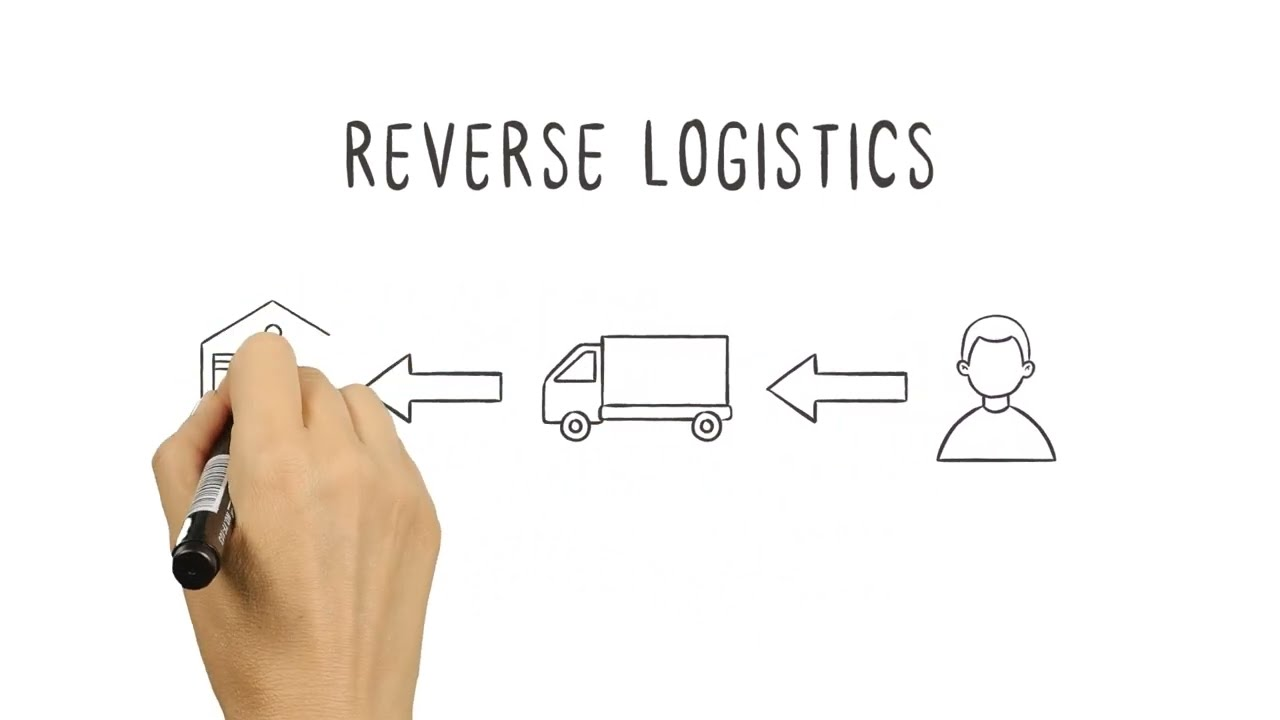
Reverse logistics tracking tech that turns returns into revenue is quickly becoming a core advantage for modern ecommerce brands. Returns used to feel like a sinkhole—money spent on shipping, labor, and refunds. But with the right tracking tools and smarter routing, that same return flow can recover margin, improve customer loyalty, and reveal insights that make your entire supply chain stronger. PostalParcel focuses on providing full visibility so teams can convert return movement into measurable business impact.
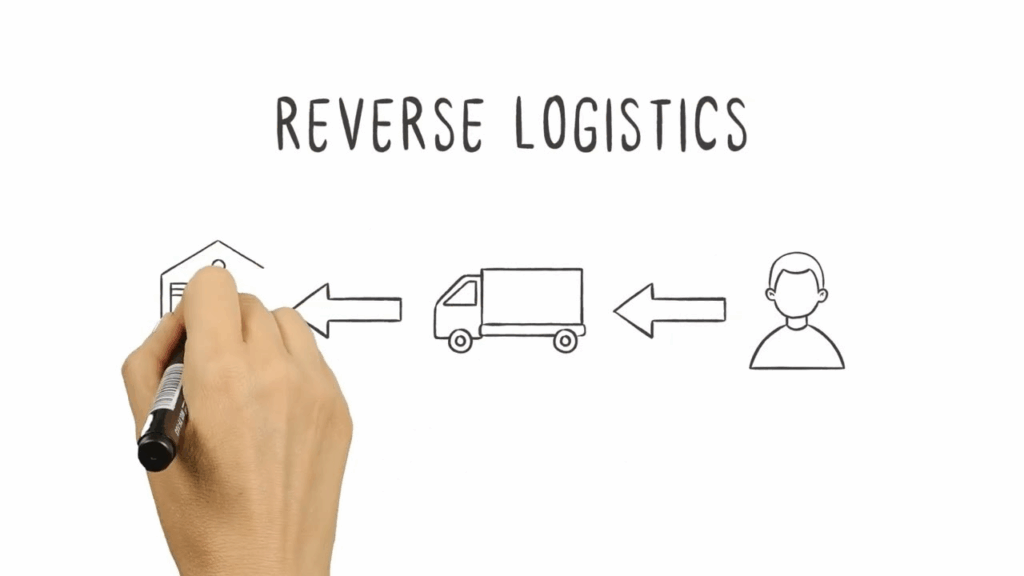
1. Why Reverse Logistics Tracking Tech Matters
1.1 Returns shape customer loyalty
Shoppers judge brands by how smooth the return experience feels. They want clear updates, simple instructions, and fast refunds. Without proper tracking, even a small delay creates frustration. With tracking tech, every return becomes a chance to impress the customer and bring them back for another purchase.
1.2 Lack of visibility destroys value
When teams cannot see where returns are or what condition items are in, businesses lose money. The common problems include:
- Delayed refunds
- Stockouts because returned items are not counted
- Products arriving too late for resale
- High support costs due to “Where is my return?” messages
Reverse logistics tracking tech eliminates blind spots and keeps operations predictable.
2. The Core Elements of Reverse Logistics Tracking Tech
2.1 Full journey tracking
A strong system follows the entire path—from return label creation to warehouse arrival and final decision. It lets you know:
- Who is returning the product
- Why the return is happening
- Which carrier is handling the parcel
- When the product becomes available again
This single timeline turns chaos into clarity.
2.2 One platform for all carriers and partners
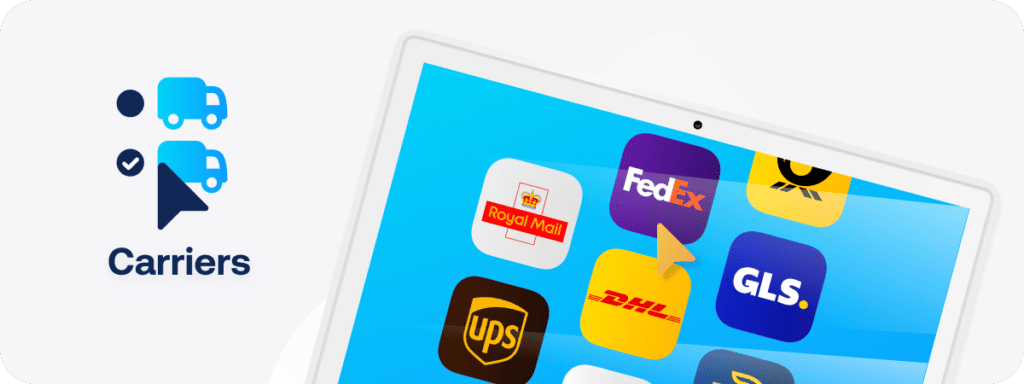
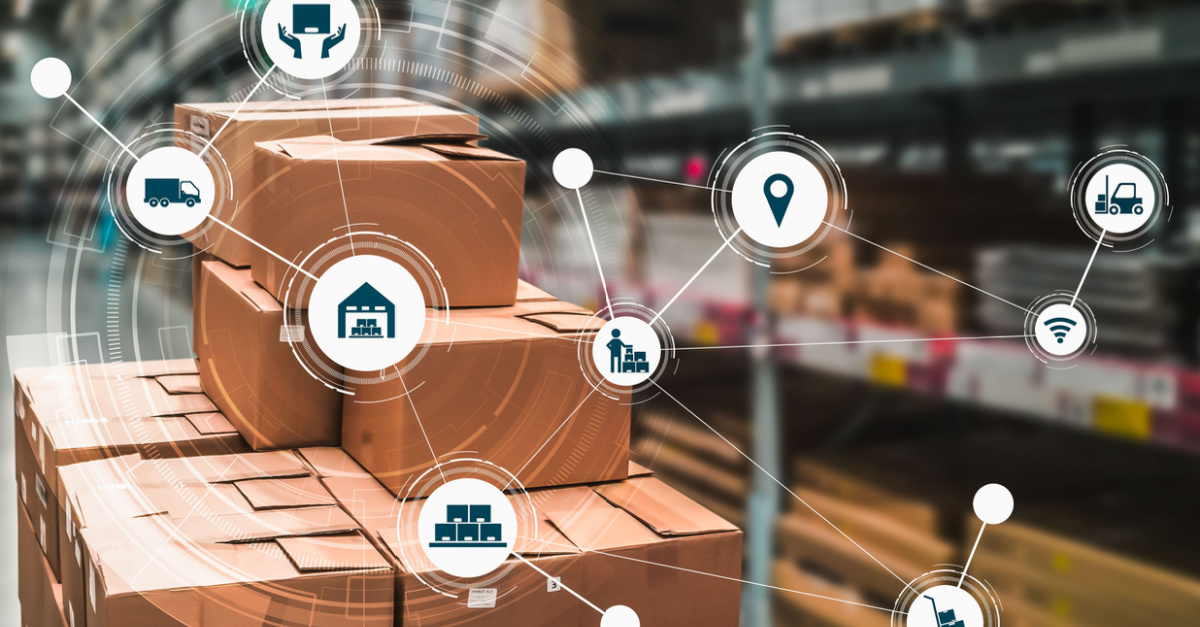
Most brands rely on several carriers and multiple warehouses. Without integration, data lives in separate portals. Good tracking tech solves this by pulling all scans, movements, and events into one unified dashboard.
PostalParcel specializes in unifying these data streams, so operations teams never jump between five systems to understand one return.
2.3 Analytics that show return behavior
Tracking alone is not enough. You also need insights that help teams make decisions. Useful analytics include:
- Return reasons by product
- Average time from return creation to resale
- Carrier performance
- Total recovery value
These metrics show where you lose money and where you can earn it back.
3. How Tracking Tech Turns Returns into Revenue
3.1 Faster refunds lead to more repeat orders
When you can see each scan in real time, you can refund earlier with confidence. Many brands refund customers once the parcel hits the carrier’s first checkpoint. The customer feels valued, and brands often see an immediate increase in repurchases.
3.2 Smart routing improves recovery value
Not every return should go back to main stock. Tracking tech helps decide the best path:
- Resell if the product is new
- Send to outlet channels if packaging is damaged
- Refurbish items with minor marks
- Recycle or upcycle broken items
Clear routing rules protect margin and reduce waste.
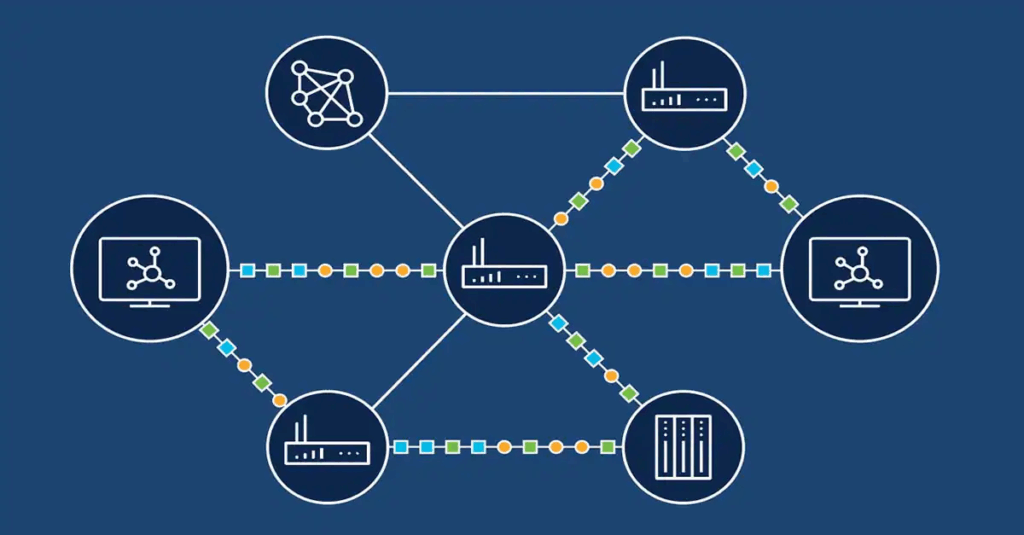
3.3 Better restocking decisions
When operations teams know exactly how many items are coming back and when they will arrive, planning becomes easier. You avoid unnecessary reorders and reduce overstock. Returned inventory no longer sits idle—it flows back into active stock faster.
3.4 Lower fraud and fewer disputes
Return fraud hurts margins. Tracking tech reduces risk by linking labels to orders, SKUs, and customer profiles. It detects patterns such as:
- Repeat “missing return” claims
- Weight mismatches
- Incorrect items returned
Teams catch issues early instead of reacting too late.
3.5 Stronger product and CX insights
Every return is feedback. With clear data, teams can easily see:
- Which sizes do not match expectations
- Which products cause quality complaints
- Which regions have higher return friction
Product teams improve design. CX teams improve communication. Both help reduce future return rates.
4. Features to Look for in a Reverse Logistics Tracking Solution
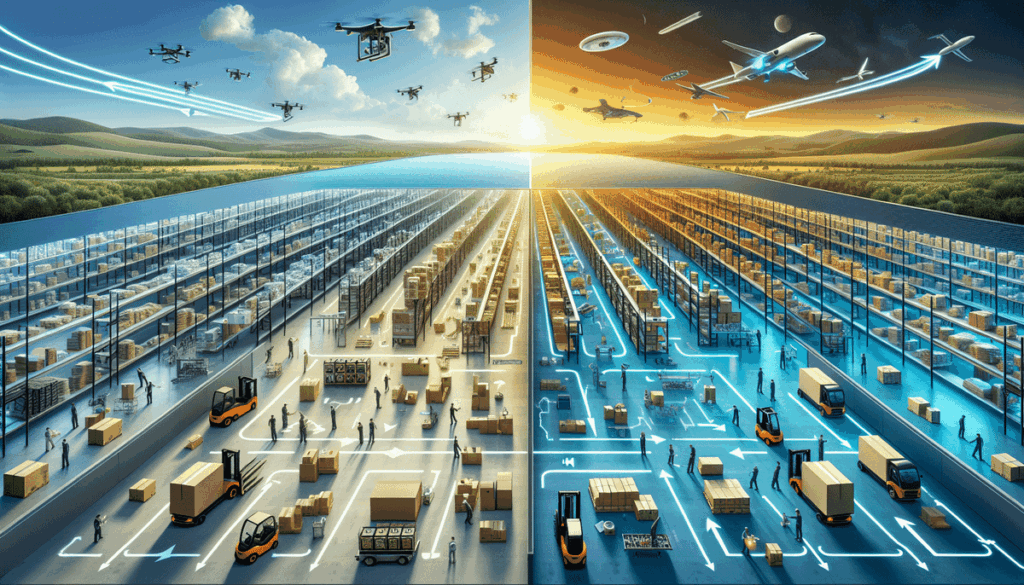
4.1 One dashboard for all return events
You should see the entire reverse flow—carrier scans, warehouse receipts, inspection results—in a single place. This reduces email threads and manual tracking.
4.2 Custom automations for refund triggers and routing
Brands operate differently. Your system should let you customize:
- When to issue refunds
- How to route items after inspection
- Who gets alerts when exceptions happen
Flexibility ensures the tech matches your workflow—not the other way around.
4.3 Global carrier coverage
Cross-border returns add complexity. A reliable system must support:
- Multiple carriers
- Different scan types and event formats
- Various warehouse processes
Carrier-agnostic design is crucial for global ecommerce.
4.4 Collaboration across teams and partners
Reverse logistics involves customer service, operations, warehouses, repair teams, and resale partners. Your platform should allow shared visibility without sacrificing control.
5. How PostalParcel Supports Return Monetization
5.1 Unified data for faster decisions
PostalParcel connects order data, carrier tracking, and warehouse events. You get the full return story in one place, making it easier to restock, refund, and resell.
5.2 Clear ROI analytics
Brands use PostalParcel to measure:
- Refund speed
- Recovery rates
- Return handling cost
- Carrier performance
- Product-level return patterns
This turns returns from a vague cost into a measurable, optimized process.
5.3 Easy rollout without heavy setup
Brands usually start with one region or product group, integrate carriers and warehouses, and then expand. PostalParcel supports step-by-step adoption, making it simple to scale reverse logistics improvements across markets.
Conclusion
Reverse logistics tracking tech that turns returns into revenue helps ecommerce brands shift from reactive processes to proactive growth. With better visibility, smarter routing, and unified data, returns stop feeling like a loss. They become a predictable, controllable, and profitable part of the business. PostalParcel supports brands in building this transformation—helping them recover more margin, improve customer loyalty, and create a faster, cleaner return cycle that strengthens the entire operation.

Industry Insights

news via inbox
Nulla turp dis cursus. Integer liberos euismod pretium faucibua