Sustainable Logistics: Can 4PL Help You Cut Emissions and Waste?
Sustainable logistics has moved from a branding concept to a real operational requirement. Rising fuel costs, stricter regulations, and customer pressure are forcing companies to rethink how goods move across borders. Many teams ask the same question: can 4PL logistics help you cut emissions and waste while still controlling costs? For global sellers and fast-growing brands, the answer increasingly points to yes—when 4PL is used as a strategic control layer rather than just another logistics vendor.
This article explains how a 4PL model supports sustainable logistics goals, where real emission reductions come from, and why platforms like PostalParcel play a practical role in turning sustainability plans into measurable results.
Understanding Sustainable Logistics Beyond Buzzwords
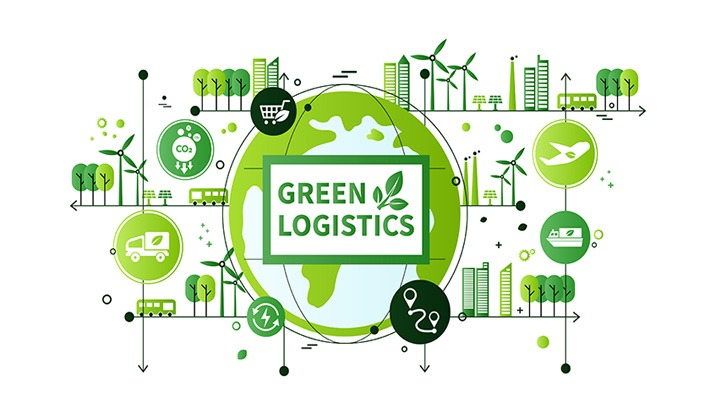
Sustainable logistics focuses on reducing environmental impact across the entire supply chain. That includes transport emissions, packaging waste, failed deliveries, returns, and idle inventory.
Why Traditional Logistics Models Struggle
Most companies work with:
- Multiple carriers
- Separate warehouses
- Disconnected tracking systems
- Manual planning decisions
Each partner optimizes only its own piece. As a result, routes overlap, shipments move half-full, and exceptions trigger re-shipments. These inefficiencies increase emissions and waste even when individual partners claim to be “green.”
Why Coordination Matters More Than Intent
Sustainability does not improve just because one carrier buys electric vehicles. It improves when the entire network moves with fewer errors, shorter distances, and higher load efficiency. That level of coordination is where a 4PL model becomes relevant.
What Makes 4PL Logistics Different From 3PL in Sustainability
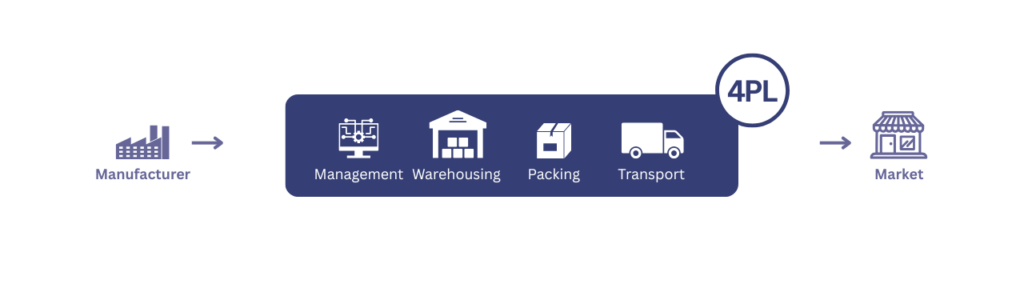
A 4PL does not replace carriers or warehouses. Instead, it orchestrates them.
Control Tower Instead of Single Provider
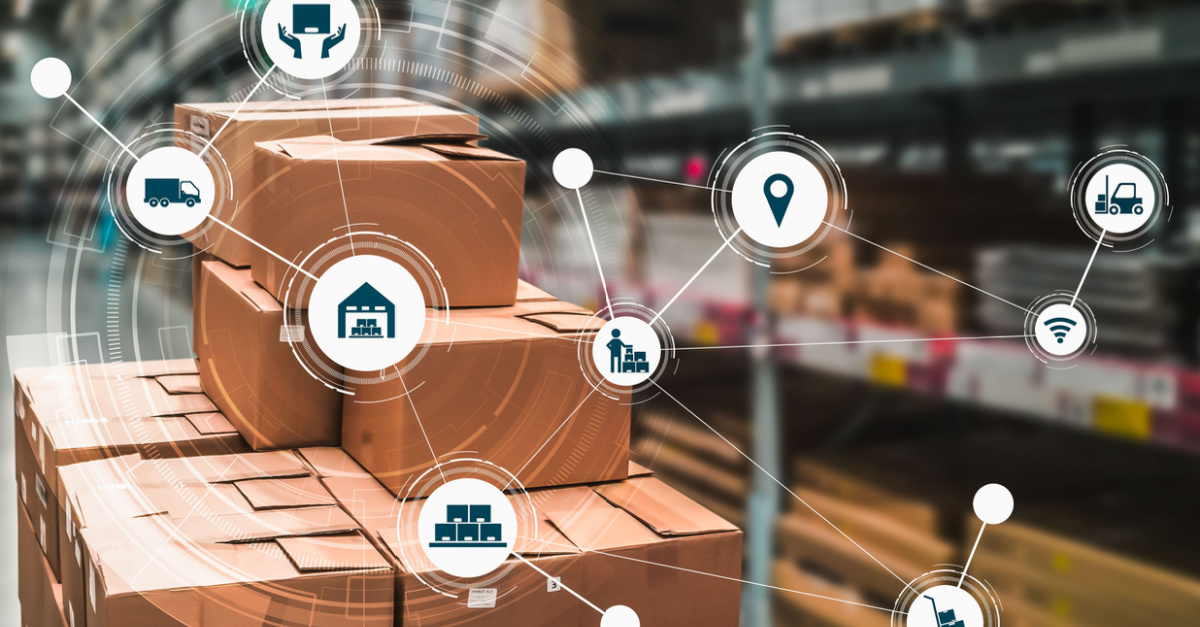
A 4PL acts as a logistics control tower:
- Aggregates data from all carriers
- Optimizes routing decisions
- Selects the most efficient service per shipment
- Monitors performance in real time
Because of this centralized role, a 4PL can reduce waste that individual 3PLs cannot see.
4PL Sustainability as a System Outcome
With 4PL, emission reduction is not a separate project. It becomes a byproduct of:
- Better route planning
- Fewer delivery failures
- Lower return rates
- Smarter inventory placement
How 4PL Reduces Transportation Emissions
Transportation accounts for the largest share of logistics-related emissions. 4PL directly impacts this area.
Route Optimization Across Carriers
Instead of defaulting to one carrier, a 4PL compares multiple options for every order:
- Distance
- Transit time
- Consolidation opportunities
Shorter routes and fewer handovers reduce fuel use. Over thousands of shipments, small improvements create large emission cuts.
Load Consolidation and Shipment Pooling
A 4PL platform can combine shipments across:
- Brands
- Sales channels
- Warehouses
This reduces partially filled vehicles. Higher load efficiency means fewer trucks and flights per unit shipped.
Avoiding Emergency Shipping
Poor planning leads to last-minute air freight, which has a high carbon footprint. 4PL systems forecast demand and inventory needs earlier, reducing the need for carbon-heavy emergency transport.
Cutting Waste Through Smarter Fulfillment Decisions
Waste in logistics is not only physical trash. Failed processes also create waste.
Reducing Failed Deliveries
Every failed delivery means:
- Extra transport
- Additional packaging
- Higher emissions
A 4PL improves address validation, carrier selection, and delivery success rates. First-attempt delivery improvements directly lower emissions.
Lowering Return Rates With Better Routing
Returns generate double emissions. 4PL platforms analyze:
- Destination regions
- Carrier performance by zone
- Delivery time accuracy
Better matches between shipment and service reduce customer dissatisfaction and unnecessary returns.
Packaging Waste and the 4PL Role
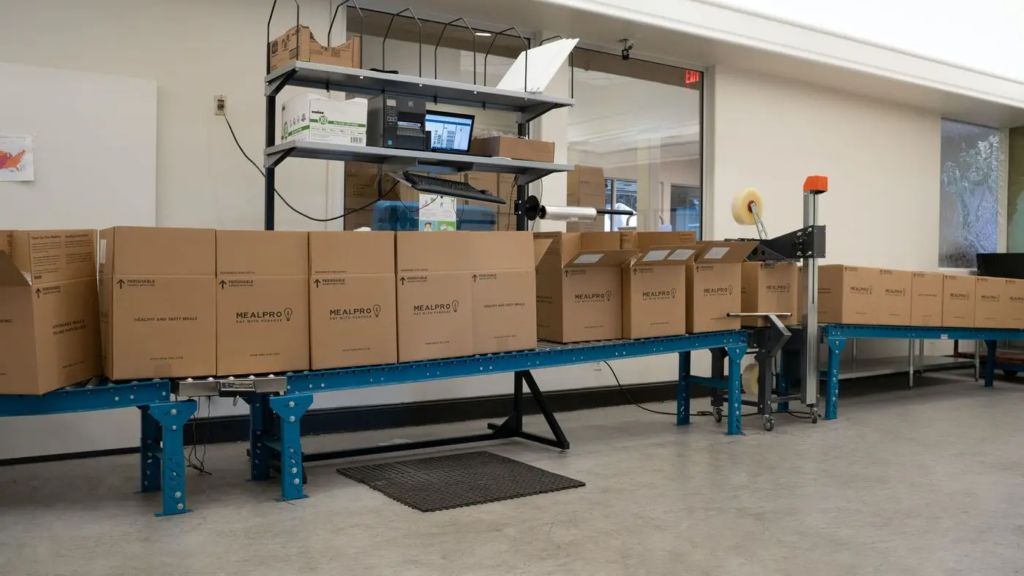
While 4PL does not manufacture packaging, it influences how packaging is used.
Standardization Across Partners
Without coordination, each warehouse and carrier uses different packaging standards. A 4PL can define:
- Unified packaging rules
- Size optimization guidelines
- Reusable packaging flows
Standardization reduces overpacking and material waste.
Data-Driven Packaging Decisions
By analyzing damage rates, a 4PL helps companies avoid both underpacking and excessive packaging. The result is less waste without higher breakage risk.
Inventory Placement and Emissions Reduction
Inventory location has a direct impact on sustainability.
Regional Fulfillment Strategy
Shipping a product across continents emits far more carbon than regional fulfillment. A 4PL analyzes order data and:
- Recommends inventory redistribution
- Supports multi-node fulfillment strategies
- Balances cost, speed, and emissions
Fewer Transfers, Lower Emissions
Poor inventory placement causes inter-warehouse transfers. These moves add emissions without serving customers. A 4PL reduces these hidden waste streams through better forecasting.
The Cost Side of Sustainable Logistics
Sustainability and cost reduction often align when managed correctly.
Fewer Errors Mean Lower Costs
4PL systems reduce:
- Manual handling
- Billing disputes
- Rework
Lower error rates save money and reduce resource waste at the same time.
Data Transparency Enables Better Decisions
When emissions, costs, and performance data live in one dashboard, trade-offs become visible. Companies stop guessing and start optimizing.
How PostalParcel Supports Sustainable 4PL Operations
PostalParcel focuses on orchestration, not ownership. That design makes sustainability practical rather than theoretical.
Unified Data Layer
PostalParcel connects:
- Carriers
- Warehouses
- Order systems
This unified view allows emission reduction strategies to be applied consistently across the network.
Smart Routing and Carrier Selection
PostalParcel evaluates multiple routing options per shipment instead of locking businesses into a single path. This flexibility supports both cost control and emission reduction.
Exception Management That Prevents Waste
By detecting delays, address issues, and customs risks early, PostalParcel helps teams act before problems turn into returns or re-shipments.
Measuring Sustainability in a 4PL Model
You cannot manage what you cannot measure.
Key Sustainability Metrics a 4PL Enables
With a 4PL platform, companies can track:
- Emissions per shipment
- First-attempt delivery rate
- Return-related emissions
- Average transport distance
These metrics turn sustainability from a promise into a managed process.
Continuous Improvement Instead of One-Time Projects
Because data updates in real time, sustainability improvements continue month after month rather than stopping after a single initiative.
When 4PL Makes the Biggest Sustainability Impact
4PL delivers the strongest results when:
- Operations span multiple countries
- Order volume fluctuates
- Multiple carriers are involved
- Returns are significant
In these environments, coordination matters more than individual green actions.
Practical Steps to Start a Sustainable 4PL Journey
Companies considering 4PL for sustainability should:
- Map current logistics waste sources
- Centralize shipment and carrier data
- Define emission and waste KPIs
- Use 4PL insights to guide operational change
Sustainable logistics becomes achievable when decisions rely on system-wide visibility rather than isolated improvements.
Conclusion
Sustainable logistics is no longer about choosing a greener carrier in isolation. It is about reducing waste, emissions, and inefficiency across the entire network. A 4PL model provides the coordination layer needed to make that happen. With platforms like PostalParcel, companies gain the visibility and control required to cut emissions, reduce waste, and lower costs—without slowing down global operations.

Industry Insights

news via inbox
Nulla turp dis cursus. Integer liberos euismod pretium faucibua