
OMS 跟踪控制塔:4PL 如何提供端到端的可视性

OMS 跟踪控制塔:4PL 如何提供端到端的可视性

最后更新:1 月 14, 2026 提供标签, ,

OMS Tracking Control Tower is the fastest way for a 4PL to turn scattered order data into one clear view from checkout to delivery. Instead of chasing updates across carriers, warehouses, and last-mile partners, a control tower standardizes events, flags exceptions early, and keeps every stakeholder aligned. For a platform like Postalparcel, this approach reduces WISMO tickets, protects SLA performance, and improves customer trust.

1. What an OMS Tracking Control Tower Means in a 4PL

图片 26

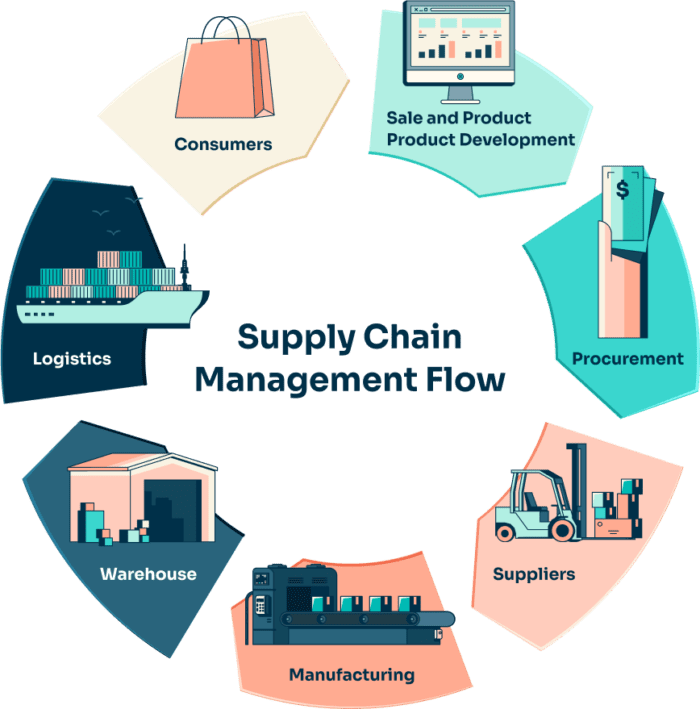
A 4PL sits above carriers and 仓库. It coordinates the network, not just one node. That is why visibility matters so much.

一个 OMS Tracking Control Tower is a centralized layer that:

  • Collects order and shipment data from multiple systems
  • Normalizes tracking events into a single status language
  • Monitors SLAs and exceptions in real time
  • Triggers actions: alerts, re-routes, customer messages, and claims workflows

The control tower is not only a dashboard. It is an operating system for order movement.

1.1 OMS vs tracking pages: the real difference

A tracking page tells the customer where a parcel is. A control tower tells your ops team what to do next.

  • Tracking page: “In transit”
  • OMS Tracking Control Tower: “In transit + late risk + carrier scan missing + escalate to partner”

That difference is where a 4PL earns margin and keeps clients.

2. Why 4PLs Need End-to-End Visibility Now

图 27

Visibility used to be optional. Today it is the baseline for competitive fulfillment.

A 4PL deals with:

  • Split shipments across warehouses
  • Line-haul plus last-mile handoffs
  • Mixed service levels (economy, express, priority)
  • Cross-border scans that do not match domestic events

Without an OMS Tracking Control Tower, teams lose time on manual checks and late reactions.

2.1 What 端到端可视性 actually covers

End-to-end visibility should include the full chain:

  • Order created and confirmed
  • Inventory allocated
  • Pick/pack completed
  • Label created and manifested
  • First carrier acceptance scan
  • Transit milestones and hub scans
  • 已交付
  • Proof of delivery and exception outcomes

If you miss early stages, you miss the best time to prevent delays.

3. Core Building Blocks of an OMS Tracking Control Tower

To deliver consistent results, most 4PL control towers share the same pillars.

图片 28

3.1 A unified order and shipment model

You need one data model that can represent:

  • One order → multiple shipments
  • One shipment → multiple parcels
  • One parcel → multiple tracking numbers (relabel, re-ship)

This stops the most common 可见性 failure: “order shows delivered but one parcel is still missing.”

3.2 Event normalization and a status dictionary

Carriers describe the same thing in different ways. One says “ARRIVED AT HUB,” another says “PROCESSED,” and a third says “SORTING.” A control tower maps them to one internal status.

A practical event taxonomy often includes:

  • Pre-shipment: label created, manifested
  • First mile: carrier received, pickup completed
  • In transit: line-haul, arrived hub, departed hub
  • Last mile: out for delivery, delivery attempt
  • Delivered: delivered, POD captured
  • Exceptions: delay risk, address issue, held, lost, damaged, returned

This is the heart of an OMS Tracking Control Tower, because it makes automation possible.

3.3 Real-time integrations, not periodic spreadsheets

A 4PL needs signals, not reports. The control tower should connect via:

  • 运营商应用程序接口和网络钩子
  • 3PL/WMS feeds
  • Marketplace and store platforms (where orders originate)

Then it should store every event with timestamps to support SLA math and claims.

4. How the Control Tower Prevents Problems Before They Escalate

图 29

Most logistics pain comes from late discovery. A control tower focuses on early detection.

4.1 Missing scan detection

One of the most useful rules is simple:

  • Label created, but no acceptance scan after X hours
  • Parcel in transit, but no scan after Y hours
  • Out for delivery, but no delivery scan by end of day

These rules let the OMS Tracking Control Tower create a ticket before the customer asks.

4.2 SLA risk scoring

A control tower can score each shipment based on:

  • Lane performance history
  • Carrier service level
  • Time since last scan
  • Holiday or weather impacts
  • Hub congestion signals

Then it can prioritize action. Not every late package needs escalation. High-risk shipments do.

4.3 Automated exception routing

Instead of one inbox, route exceptions to the right owner:

  • Address issues → customer service verification
  • No scans → carrier inquiry
  • Damage → claims workflow
  • Missed delivery attempt → last-mile partner

This is how a 4PL keeps a lean team and still performs.

5. Multi-Carrier and Multi-Warehouse Visibility Without Chaos

图片 30

A 4PL often adds carriers to reduce cost or improve coverage. That creates data inconsistency fast.

一个 OMS Tracking Control Tower handles the complexity by:

  • Matching carrier events to internal statuses
  • Linking warehouse milestones to shipment milestones
  • Keeping one “source of truth” timeline for each order

5.1 Split shipment clarity

Split 货运可见性 is a common failure point. Customers see one tracking number and assume it is the whole order.

A good control tower shows:

  • Parcel 1: delivered
  • Parcel 2: in transit, ETA tomorrow
  • Parcel 3: label created, waiting pickup

It also supports proactive messaging so the customer understands what is happening.

6. Operational Dashboards That Matter to 4PLs

A control tower should not drown teams in charts. It should highlight decisions.

High-value views include:

  • Exception queue by severity and SLA risk
  • Lane performance by carrier and route
  • First scan compliance by warehouse and carrier
  • Delivery attempt outcomes and address failures
  • Aging shipments with no scans

These views convert visibility into action, which is the real goal of an OMS Tracking Control Tower.

7. Practical Rollout Plan for a 4PL Platform Like Postalparcel

图 31

Many teams try to build everything at once and stall. A better approach is staged rollout.

7.1 Phase 1: Standardize the status model

  • Define your event taxonomy
  • Map top carriers first
  • Build a clean order → shipment → parcel structure

7.2 Phase 2: Build exception rules that save time

Start with rules that remove manual work:

  • Missing first scan
  • No scan in transit
  • Delivery attempt failures
  • Delivered but customer reports missing

7.3 Phase 3: Add automation and client-facing visibility

  • Auto-notifications based on status changes
  • Client dashboards for SLA and exceptions
  • Claims triggers based on event history

As each phase ships, the OMS Tracking Control Tower becomes more valuable without a risky “big bang” launch.

8. Why Postalparcel Is a Natural Fit for a Control Tower Model

图 32

Postalparcel already operates in a space where visibility drives retention. A 4PL platform earns trust by making 满足 understandable and predictable.

With an OMS Tracking Control Tower, Postalparcel can:

  • Give brands a single view across carriers and warehouses
  • Reduce support load with proactive exception handling
  • Improve SLA reporting with standardized timestamps
  • Build stronger post-purchase experience with clearer timelines

That is end-to-end visibility with operational leverage, not just a tracking widget.

结论

一个 OMS Tracking Control Tower helps 4PL teams see every order and exception in one place and act faster. With standardized events and smart alerts, you reduce WISMO tickets, protect SLAs, and keep split shipments clear. For Postalparcel, this means more predictable deliveries and smoother operations across carriers and warehouses.

发表评论